
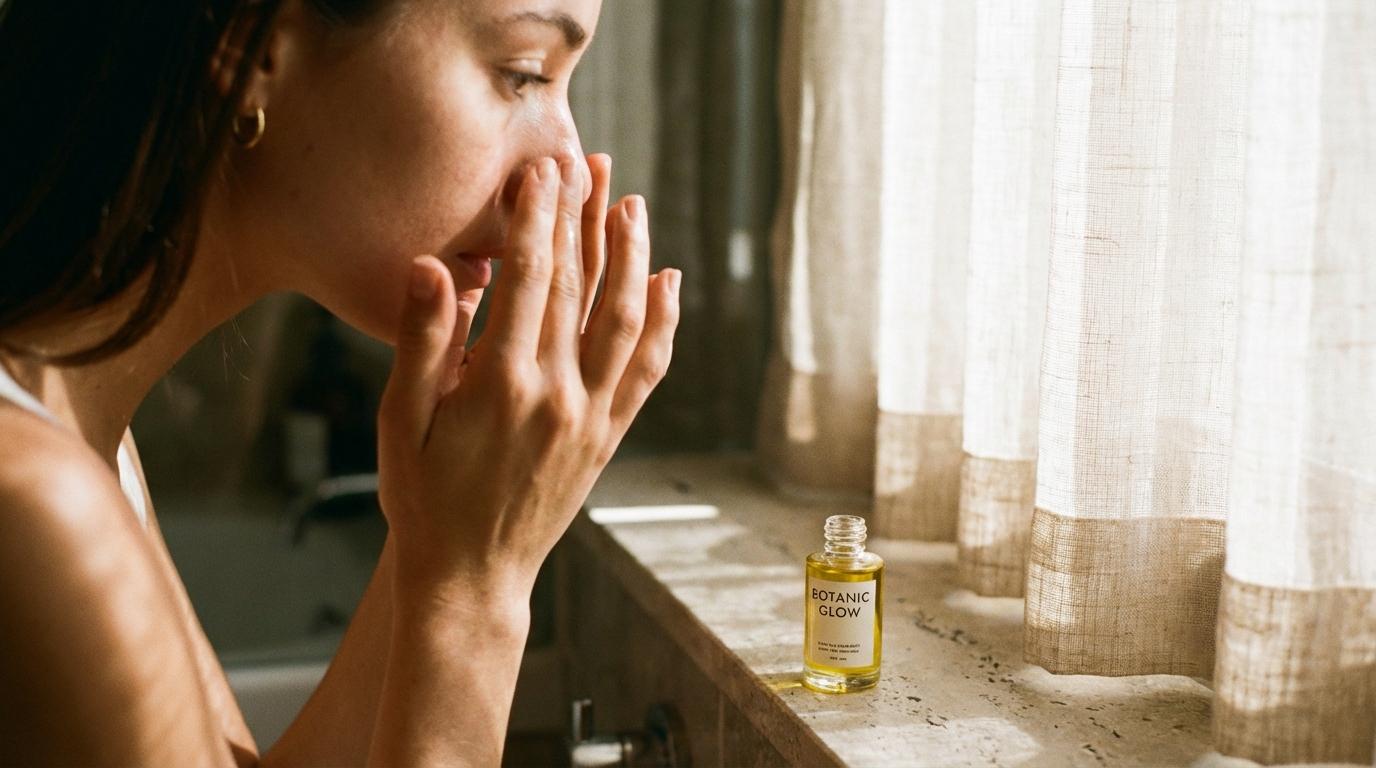
Sebum production in the nose crease area works differently than the rest of your face, creating a microenvironment where oil, dead skin cells, and bacteria can accumulate faster than you might expect. Those tiny bumps and persistent blackheads along the creases where your nose meets your cheeks are frustrating precisely because this zone is one of the oiliest on your entire face. Understanding what’s actually happening in these folds helps explain why generic acne treatments often fall short here.
Why the Nose Crease Is Different
The nasolabial fold and the creases along the sides of your nose contain some of the highest concentrations of sebaceous glands on your body. These glands produce sebum continuously, and because the crease creates a natural pocket, the oil has nowhere to go. It sits there, mixing with dead skin cells and environmental debris.
What many people mistake for blackheads in this area are actually sebaceous filaments. These are completely normal structures that help channel sebum from your pores to the skin surface. They look like tiny dots, usually gray or yellowish, and when you squeeze them, a thin thread of waxy material comes out. Unlike blackheads, sebaceous filaments refill within about 30 days because they’re a permanent feature of your skin, not an abnormality.
True blackheads (open comedones) form when a pore becomes clogged with a mix of sebum and dead skin cells that oxidizes when exposed to air, turning dark. The distinction matters because if you’re constantly trying to extract sebaceous filaments thinking they’re blackheads, you’re fighting a battle you can’t win, and you might damage your skin in the process.
The Bacteria Factor
Cutibacterium acnes (formerly called Propionibacterium acnes) thrives in oily environments. The nose crease provides ideal conditions: warmth, moisture, and a steady supply of sebum to feed on. When these bacteria multiply excessively, they trigger an inflammatory response that leads to those red, tender bumps that are distinctly different from sebaceous filaments.
The crease also tends to trap sweat and residue from products you apply to your face. If you wear glasses, the nose pads create additional friction and occlusion, making the area even more prone to breakouts. Similarly, if you touch your nose frequently throughout the day (and most people do without realizing it), you’re introducing additional bacteria and oils from your hands.
What Not to Squeeze
The instinct to squeeze everything in the nose crease area is strong, but resisting that urge is important for several reasons. First, the skin in this zone is quite thin and easily damaged. Aggressive extraction can lead to broken capillaries that appear as permanent red marks, especially if you have fair or sensitive skin.
Second, squeezing pushes some of the contents deeper into the pore rather than expelling them completely. This can trigger more inflammation and potentially spread bacteria to surrounding pores. The nose crease is connected to what dermatologists sometimes call the “danger triangle” of the face, an area where infections can theoretically travel to the brain through blood vessels, though this is extremely rare with minor acne.
If you must extract, do it after a warm shower when pores are more relaxed, use clean fingers wrapped in tissue, and apply only gentle pressure. If something doesn’t come out easily, leave it alone. Your skin will push it out naturally over time, or a properly formulated treatment will help dissolve the plug.
Gentle Targeted Treatment Approaches
Salicylic acid is particularly effective for the nose crease because it’s oil-soluble, meaning it can penetrate into the pore lining where oil accumulates. A concentration of 2% in a leave-on product works well for most people. Apply it directly to the crease area after cleansing but before moisturizer. Research suggests salicylic acid also has mild anti-inflammatory properties that can help with existing bumps.
Niacinamide at 5% or higher can help regulate sebum production over time. It won’t eliminate sebaceous filaments (nothing will permanently), but it can reduce the overall oiliness of the zone, making the filaments less prominent. Some studies show niacinamide can reduce pore appearance by about 20% after several weeks of consistent use.
Clay masks applied specifically to the nose crease once or twice weekly can help absorb excess oil. Look for kaolin or bentonite clay. Don’t leave them on until completely dry, as this can be too drying and trigger rebound oil production. Remove when the mask is still slightly tacky to the touch.
Cleansing Considerations
The nose crease is easy to miss during cleansing, which contributes to buildup. Pay deliberate attention to this area when washing your face, using your fingertips to gently massage cleanser into the folds. A gel or foaming cleanser works better here than cream or balm formulas, which can leave residue in the crease.
Double cleansing at night makes a real difference for this zone. An oil cleanser first dissolves the sebum and sunscreen buildup, and a water-based cleanser second removes any remaining residue. If you find double cleansing too drying for the rest of your face, you can do a targeted double cleanse just for your nose and the surrounding area.
Chemical exfoliation helps more than physical scrubbing for the nose crease. Those gritty scrubs can be too harsh and create micro-tears in the thin skin of the fold. A gentle AHA or BHA toner used several times a week will gradually dissolve the bonds between dead skin cells, preventing them from mixing with sebum and forming clogs.
Understanding the Cycle
Sebaceous filaments are a permanent feature of your skin. Your goal isn’t to eliminate them but to manage their appearance. The cycle works like this: sebum is produced, flows through the follicle, and reaches the surface. When production is high or the follicle is partially blocked, the material accumulates and becomes visible.
Consistent use of the right products can minimize visibility, but if you stop your routine, the filaments will return to their previous state within a month or so. This isn’t a failure of the products; it’s just how skin works. Think of it as ongoing maintenance rather than a one-time fix.
For actual acne lesions (not just filaments), the inflammatory cycle involves bacterial overgrowth, immune response, and eventual healing. Picking at inflamed spots prolongs this cycle and increases the risk of post-inflammatory hyperpigmentation, especially on darker skin tones. Applying a benzoyl peroxide spot treatment at the earliest sign of a forming bump can help kill bacteria before the inflammatory cascade fully kicks in.
When to Consider Professional Help
If your nose crease acne is persistently inflamed despite consistent home treatment for 8-12 weeks, a dermatologist can offer stronger interventions. Prescription retinoids can dramatically improve the turnover of cells in the area, preventing the buildup that leads to clogs. The relationship between retinoids and sun sensitivity means you’ll need good sunscreen habits, but the results can be worth it.
Professional extractions performed by an aesthetician or dermatologist are safer than DIY attempts because they use proper tools and technique. Some people benefit from regular professional facials specifically to maintain the nose crease area.
In some cases, what appears to be acne in the nose crease is actually seborrheic dermatitis or even early rosacea. These conditions require different treatments, so if standard acne approaches aren’t working, it’s worth getting a professional evaluation to confirm you’re treating the right thing.
Daily Habits That Help
Clean your glasses nose pads daily with alcohol wipes if you wear them. Replace disposable pads regularly, or choose glasses with adjustable silicone pads that are easier to keep clean. Some people find that glasses with larger pads distribute pressure more evenly and cause fewer issues.
Change your pillowcase at least twice a week, or flip your pillow to use the other side mid-week. While you sleep, oil and bacteria from your face transfer to the pillowcase, then back to your face the next night. Silk pillowcases can be gentler on skin, though the evidence is largely anecdotal.
Be mindful of touching your nose throughout the day. If you notice you rest your chin on your hand while working, with fingers near your nose, try to break the habit. Keep hand sanitizer at your desk as a reminder and a backup when you do need to touch your face.
The nose crease will likely always be your oiliest zone. That’s genetics and anatomy working together. But with consistent, gentle, targeted care, you can minimize both the appearance of sebaceous filaments and the occurrence of actual acne in this area. Patience matters more than aggressive treatment here.