
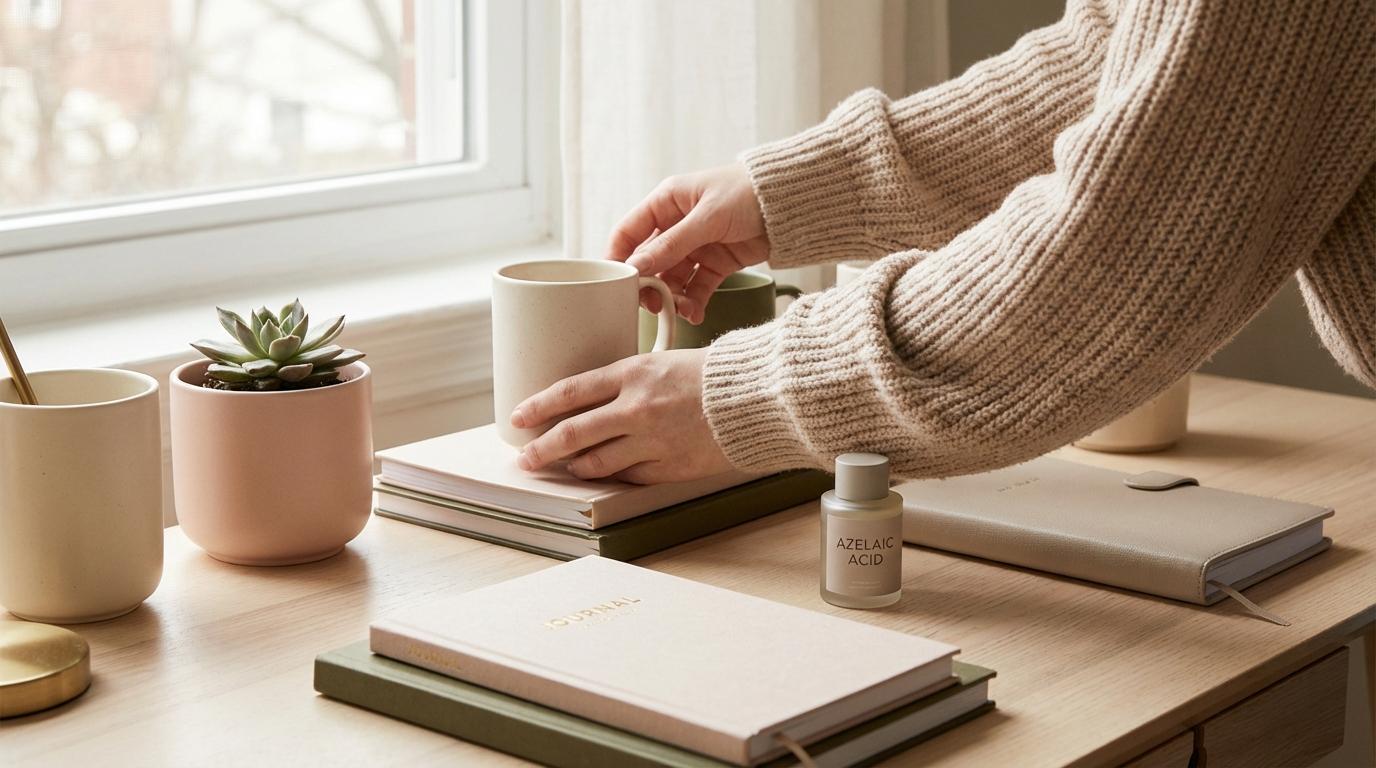
Around 40% of people with sensitive skin report persistent redness as their number one concern, yet the solutions marketed to them often come with premium price tags that feel unnecessarily punishing. The truth is, some of the most effective ingredients for calming redness are available in affordable formulations that work just as well as their expensive counterparts. Understanding why these ingredients work gives you the power to build a budget-friendly routine that actually delivers results.
Why Your Skin Gets Red in the First Place
Before we talk products, let’s understand what’s happening beneath the surface. Redness occurs when blood vessels near your skin’s surface dilate, allowing more blood flow to the area. This can be triggered by inflammation, a compromised skin barrier, environmental irritants, or conditions like rosacea. The goal of any anti-redness routine is twofold: calm the inflammatory response and strengthen your skin barrier so it’s less reactive over time.
This is why throwing random soothing products at your face without understanding the mechanism often leads to frustration. When you know what each ingredient actually does at a cellular level, you can make smarter choices regardless of the price point.
Budget Azelaic Acid: The Underrated Powerhouse
Azelaic acid is genuinely one of the most underappreciated ingredients for redness-prone skin. It works by inhibiting tyrosinase (which helps with post-inflammatory pigmentation) while also having antibacterial and anti-inflammatory properties. For redness specifically, azelaic acid has been shown to reduce papules, pustules, and that persistent background redness that makes your skin look perpetually irritated.
The affordable options here are genuinely excellent. The Ordinary Azelaic Acid Suspension 10% remains one of the most popular over-the-counter options, though its thick texture works best when layered over moisturizer. The Cos De BAHA Azelaic Acid 10% Serum combines azelaic acid with niacinamide and starts around $9, making it incredibly accessible. For those who want something even more lightweight, The Inkey List 10% Azelaic Acid Gel has a subtle green tint that can temporarily neutralize redness while the active ingredient works its magic underneath.
See also: here.
One thing to note: prescription azelaic acid at 15-20% has more robust clinical data behind it, but the over-the-counter 10% formulations still deliver meaningful results for most people with mild to moderate redness concerns. If you’re dealing with diagnosed rosacea, it might be worth discussing prescription options with a dermatologist, but budget formulations are a solid starting point. You can learn more about how azelaic acid tackles inflammation and acne in our guide to azelaic acid.
Affordable Centella Products That Actually Work
Centella asiatica (also called cica or tiger grass) has become the darling of K-beauty for good reason. The plant contains compounds like asiaticoside and madecassoside that directly reduce inflammation and support wound healing. For redness-prone skin, centella helps calm active flare-ups while strengthening your skin barrier over time.
The COSRX Pure Fit Cica Cream contains seven types of centella extracts and absorbs without leaving that heavy, greasy film that some sensitive skin finds suffocating. Etude House SoonJung 2x Barrier Intensive Cream is another excellent budget option specifically formulated for barrier repair, with a minimal ingredient list that reduces the chance of triggering reactions.
La Roche-Posay Cicaplast Baume B5+ is slightly pricier but widely available at drugstores, combining centella with vitamin B5, shea butter, and glycerin. It’s particularly good for those spots that get extra irritated, whether from retinol treatments, harsh weather, or just general sensitivity. Think of it as a targeted rescue product rather than an all-over moisturizer.
Niacinamide: The Barrier Builder
Niacinamide (vitamin B3) addresses redness through a different mechanism: it helps your skin produce more ceramides, which are the fatty acids that keep your barrier intact and functioning properly. A stronger barrier means less transepidermal water loss and reduced sensitivity to irritants that would normally trigger redness.
Clinical studies have found that concentrations between 2-5% are the therapeutic sweet spot for reducing redness without risking irritation. Higher concentrations (10% and above) can sometimes cause the very flushing you’re trying to avoid, especially in sensitive skin types. In one 12-week study, participants using a 5% niacinamide moisturizer saw significant improvements in red blotchiness compared to those using the control formula.
The good news is that niacinamide shows up in countless affordable products. The Ordinary Niacinamide 10% + Zinc 1% is popular, but if your skin is particularly reactive, starting with a product containing 4-5% niacinamide might be gentler. Many budget moisturizers now include niacinamide in that ideal 2-5% range, so check your current products before adding another serum to your routine.
Check out neck acne for more.
What to Avoid When Your Skin Runs Red
Sometimes what you leave out matters as much as what you put in. If redness is your primary concern, there are ingredients and habits that can actively work against your goals.
Fragrance, both synthetic and natural, is a common trigger for reactive skin. Products marketed as calming sometimes contain lavender, eucalyptus, or other essential oils that smell lovely but can provoke inflammation in sensitive skin types. When shopping for anti-redness products, fragrance-free formulations are your safest bet.
High-percentage acids can compromise an already struggling barrier. If you’re dealing with persistent redness, strong glycolic or salicylic acid treatments might need to take a backseat while you focus on repair. This doesn’t mean exfoliation is off the table forever, but your barrier needs to be in decent shape before introducing potentially irritating actives. For understanding which acids might work for your skin type, check out our comparison of salicylic acid and benzoyl peroxide.
Physical scrubs and harsh cleansers create micro-damage that perpetuates the inflammatory cycle. A gentle, low-pH cleanser that doesn’t leave your skin feeling tight or squeaky is essential. The squeaky-clean feeling actually means you’ve stripped away protective lipids your barrier desperately needs.
Hot water is a sneaky culprit. It feels good in the moment but dilates blood vessels and can trigger flushing that lasts for hours. Lukewarm water for cleansing is a small change that can make a noticeable difference.
Building Your Budget Anti-Redness Routine
Putting this all together doesn’t require buying everything at once. A strategic approach works better for both your wallet and your skin.
Start with the basics: a gentle cleanser and a niacinamide-containing moisturizer. Give your skin two to three weeks to adjust. If you’re seeing some improvement but want more, add an azelaic acid product, using it two to three times weekly at first and building up as tolerated.
Centella products work well as your final moisturizing layer or as targeted treatment for spots that are particularly angry. You don’t need three different centella products; one well-formulated option is plenty.
Results with these ingredients typically become visible around weeks four to eight, with more significant improvements in barrier function and overall redness reduction by weeks eight to twelve. Patience is genuinely part of the process here. Jumping from product to product every few weeks actually prevents you from knowing what works and can further irritate sensitized skin.
When Budget Options Aren’t Enough
Budget products can do a lot, but they have limits. If you’re dealing with diagnosed rosacea, persistent broken capillaries, or redness that doesn’t respond to over-the-counter ingredients after several months of consistent use, it’s worth seeing a dermatologist. Prescription azelaic acid at higher concentrations, topical metronidazole, or laser treatments for visible blood vessels may be necessary steps that no drugstore product can replace.
The goal isn’t to avoid professional help indefinitely; it’s to have realistic expectations about what affordable products can accomplish and to recognize when it’s time to escalate your approach. For many people with mild to moderate redness concerns, the ingredients we’ve discussed here deliver meaningful improvement without requiring a dermatology visit or prescription costs.
Your skin’s redness didn’t develop overnight, and calming it won’t happen that quickly either. But with the right ingredients at the right concentrations, applied consistently over time, budget-friendly products can absolutely get the job done.