
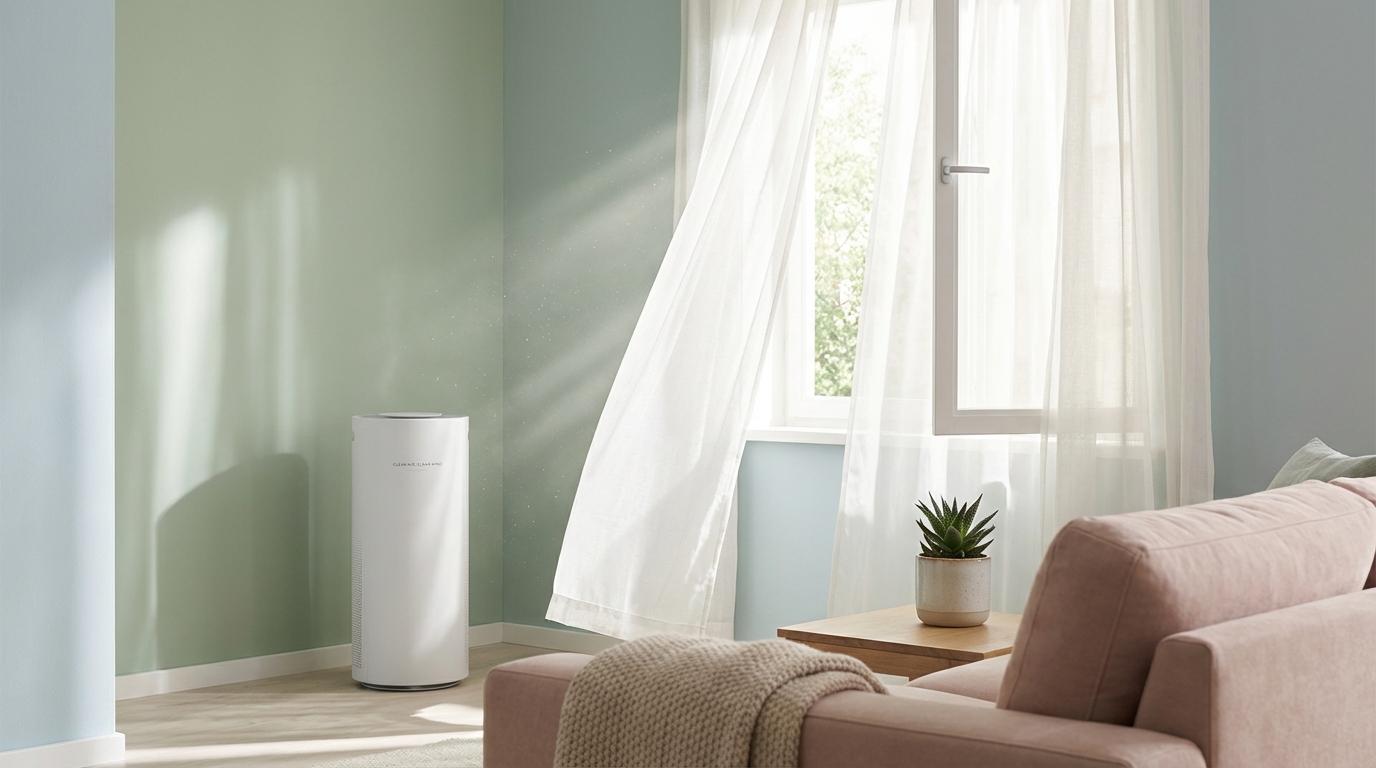
Indoor air pollution causes more skin problems than most people realize, and the beauty industry has been quietly capitalizing on this fact for years. From oxidative stress to inflammatory responses, what floats around your home can absolutely show up on your face. But does that mean you need to drop hundreds on an air purifier? Let’s break down the actual science here.
What Air Purifiers Actually Filter (and What They Don’t)
When we talk about air purifiers, we’re primarily discussing HEPA filtration systems. A true HEPA filter captures 99.97% of particles that are 0.3 microns or larger. To put that in perspective, a human hair is about 70 microns wide. So we’re talking about incredibly tiny particles: dust, pollen, pet dander, mold spores, and some bacteria.
A study from the EPA confirms that HEPA filters effectively reduce airborne particulate matter. But here’s where it gets interesting for skin health: these particles can deposit on your skin throughout the day, contributing to oxidative stress and potentially triggering inflammatory responses.
However, HEPA filters don’t capture everything. Volatile organic compounds (VOCs), gases, and ultrafine particles smaller than 0.3 microns can slip through. Some purifiers add activated carbon filters to tackle VOCs, but even these have limitations.
What about ionizers and UV-C purifiers? Ionizers charge particles so they stick to surfaces, but research suggests they can produce ozone as a byproduct, which is actually harmful to skin. UV-C purifiers kill microorganisms but don’t remove particles from the air. For skin benefits, HEPA with activated carbon is your safest bet.
Indoor Pollution Sources That Actually Affect Your Skin
Before you decide whether a purifier is worth it, you need to understand what’s actually floating around your space. The main culprits include:
Particulate Matter (PM2.5 and PM10): These tiny particles from cooking, candles, cleaning products, and outdoor pollution that seeps in can penetrate skin and trigger oxidative damage. A 2016 study in the Journal of Investigative Dermatology found that exposure to particulate matter leads to increased signs of skin aging, including pigmentation spots and wrinkles.
VOCs: These gaseous compounds come from cleaning products, air fresheners, new furniture, paint, and even some beauty products. They can cause skin irritation and may disrupt your skin barrier over time. If you’ve ever noticed your skin acting up after using strong cleaning products, VOCs are likely the culprit.
Allergens: Dust mites, pet dander, and pollen don’t just cause sneezing. For those with sensitive or reactive skin, airborne allergens can trigger inflammatory responses that manifest as redness, itching, or flare-ups of conditions like eczema or rosacea.
Mold Spores: High humidity environments can harbor mold, and airborne spores can cause skin reactions in sensitive individuals. Mold exposure has been linked to various dermatological issues in clinical literature.
If you want to understand more about how environmental pollutants interact with your skin on a cellular level, I recommend reading about your skin barrier and how it functions as your first line of defense.
The Humidity Factor: Why Purification Isn’t the Whole Picture
This is where I see a lot of people make mistakes. They invest in an air purifier but completely ignore humidity levels, and then wonder why their skin still feels off.
Humidity and air quality work together. If your indoor humidity drops below 30%, your skin will struggle to retain moisture regardless of how clean the air is. Your skin barrier needs adequate humidity to function properly. Conversely, humidity above 60% creates an environment where mold and dust mites thrive, potentially negating any benefits from purification.
The sweet spot? Aim for 40-50% relative humidity alongside your air purification efforts. This might mean adding a humidifier during dry winter months or using a dehumidifier in muggy climates. Many modern air purifiers come with humidity sensors, which can be genuinely useful.
Here’s the thing: an air purifier in a bone-dry environment will give you clean air that still irritates your skin. An air purifier in a humid, mold-prone apartment will be fighting a losing battle. The system works best when you address multiple factors simultaneously.
When Air Purifiers Make a Real Difference for Skin
Now for the practical part. Based on the research and what we know about skin biology, air purifiers are most likely to benefit you if:
You live in a city with high pollution levels. Urban environments consistently show higher levels of PM2.5 and other pollutants. If you’re in a major metropolitan area, especially one with regular air quality warnings, a purifier can reduce your exposure during the hours you’re at home. Check out our guide on protecting your skin in polluted cities for more targeted strategies.
You have reactive skin conditions. If you deal with eczema, rosacea, or chronic sensitivity, reducing airborne irritants can help minimize flare-ups. A review in the Journal of the American Academy of Dermatology notes that environmental factors play a significant role in inflammatory skin conditions.
You have pets. Pet dander is a common trigger for skin irritation, and HEPA filters are exceptionally good at capturing it. If you notice your skin acting up and you share your space with furry friends, this could be a worthwhile investment.
You live in an older building or one with ventilation issues. Poor air circulation means pollutants accumulate. If you can’t open windows regularly due to outdoor air quality or climate, a purifier becomes more valuable.
You’re dealing with stress-related skin issues. This might seem unrelated, but stress absolutely shows up on your face, and poor air quality can be a physical stressor your body responds to. Reducing environmental stressors can support your overall skin health.
When You Probably Don’t Need One
Let’s be honest. Air purifiers aren’t a universal requirement for good skin. You might not see significant benefits if:
- You live in an area with consistently good outdoor air quality and can ventilate regularly
- Your home is newer with proper HVAC filtration and you change filters regularly
- You don’t have pets or significant sources of indoor pollution
- Your skin concerns are primarily related to other factors like diet, hormones, or product sensitivities
In these cases, the $200-600 you’d spend on a quality purifier might serve your skin better allocated to professional treatments, medical consultations, or upgrading your skincare products.
What to Look For If You Decide to Get One
If you’ve assessed your situation and think a purifier could help, here’s what actually matters:
True HEPA filtration: Look for “True HEPA” or “H13 HEPA” on the label. Avoid anything labeled “HEPA-like” or “HEPA-type,” as these don’t meet the same standards.
CADR rating: This stands for Clean Air Delivery Rate and tells you how quickly the purifier can clean air in a specific room size. Match the CADR to your room dimensions. The Association of Home Appliance Manufacturers provides guidelines on appropriate CADR ratings.
Activated carbon filter: If you want to reduce VOCs and odors, make sure there’s a substantial activated carbon component, not just a thin layer.
No ozone production: Check that the purifier is certified as ozone-safe. Ionizers and some UV purifiers can produce ozone, which is a respiratory irritant and can damage skin.
Noise level: If it’s too loud, you won’t use it. Check decibel ratings for the fan speeds you’ll actually use.
The Bottom Line
Air purifiers can genuinely support skin health under the right circumstances. The connection between air quality and skin isn’t marketing fluff; it’s backed by research showing that airborne pollutants contribute to oxidative stress, inflammation, and accelerated aging.
But they’re not a miracle solution. A purifier won’t fix your skin if the root causes lie elsewhere. It’s one piece of a larger puzzle that includes proper humidity levels, consistent skincare, stress management, and addressing any underlying health concerns.
My recommendation? Assess your environment honestly first. If you check multiple boxes on the “when purifiers help” list above, it’s probably a worthwhile investment. If not, you might get better results putting that money toward other aspects of your skincare routine or consulting a dermatologist about your specific concerns.
The goal isn’t to buy every gadget that promises better skin. It’s to understand the science well enough to make informed decisions about what will actually help you. Sometimes that’s a HEPA filter. Sometimes it’s just opening a window.