
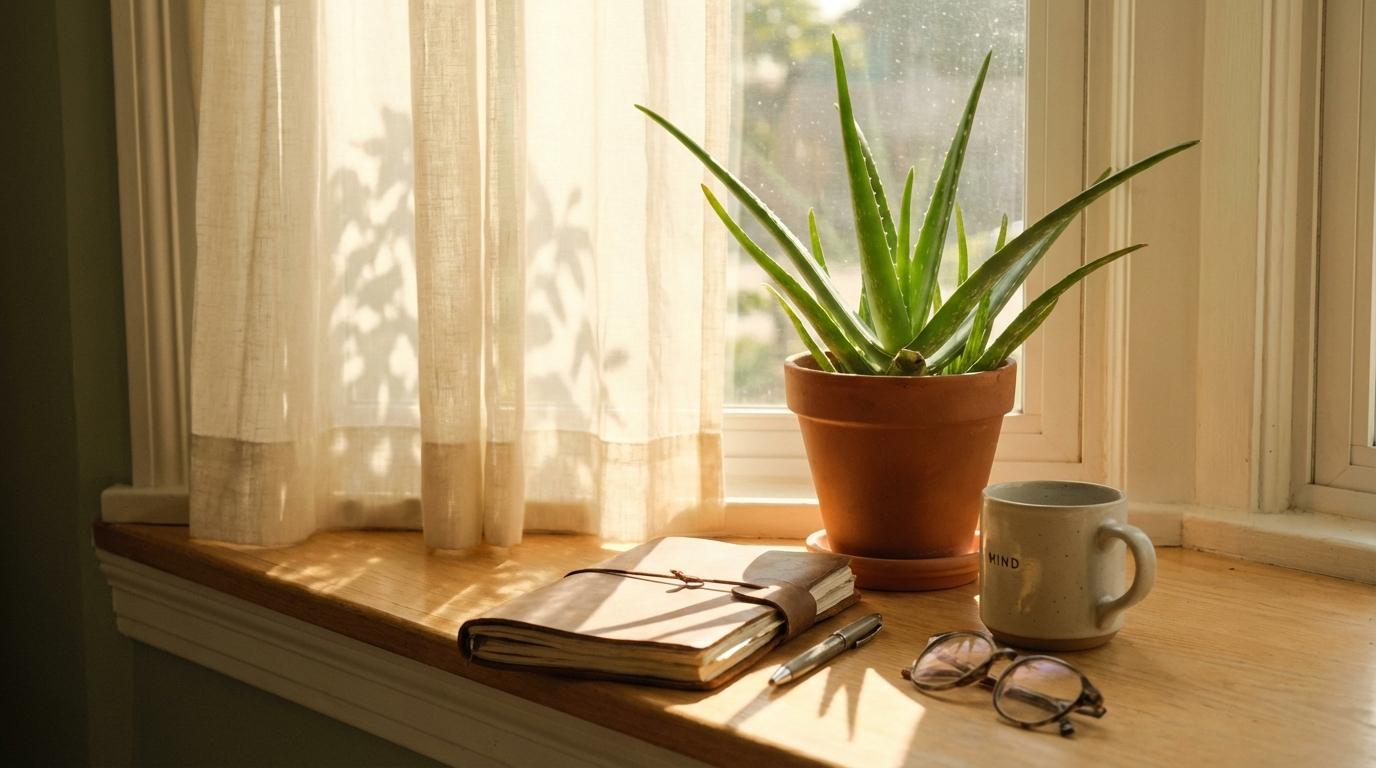
Have you ever reached for the aloe vera gel after a bad breakout, convinced this natural wonder would solve all your acne problems? You are definitely not alone. Aloe vera has this reputation as a cure-all, probably because your mom slathered it on every sunburn, scrape, and mystery rash you ever had growing up. But when it comes to acne, the truth is a bit more complicated (and honestly, a little disappointing).
Let me be real with you: aloe vera is not going to clear your acne. I know, I know. That is not what the internet told you. But before you close this tab in frustration, stick with me. Aloe vera still has a place in your acne routine. It is just not the starring role you might have hoped for.
What Aloe Vera Actually Does for Skin
Aloe vera is genuinely impressive, just not in the ways acne sufferers desperately need. The plant contains compounds like acemannan, vitamins C and E, and various enzymes that make it excellent at certain things. Specifically, it is really good at calming irritated skin.
When your skin is angry, red, and inflamed from a breakout (or from going too hard with a retinoid, we have all been there), aloe can help take the edge off. It has anti-inflammatory properties that can reduce redness and soothe that tight, irritated feeling. Think of it as the friend who brings you tea when you are sick. Comforting? Absolutely. Going to cure your illness? Not really.
Aloe also provides lightweight hydration without clogging pores. The gel texture absorbs quickly and does not leave a heavy residue. For people with oily, acne-prone skin who struggle with moisturizers feeling too heavy, this can be genuinely useful. Keeping skin hydrated is important because dehydrated skin can actually trigger more oil production, which nobody wants.
Why Aloe Cannot Treat Active Acne
Here is where I have to be the bearer of not-great news. Acne has specific causes: excess oil production, dead skin cells clogging pores, bacteria (specifically C. acnes), and inflammation. An effective acne treatment needs to address at least one of these causes directly.
Aloe vera does not meaningfully reduce oil production. It does not exfoliate dead skin cells. And while it has some mild antibacterial properties in test tubes, those properties are not strong enough to kill acne-causing bacteria on your actual face. The concentrations used in studies showing antibacterial effects are not what you are getting in a drugstore aloe gel.
Some studies suggest aloe might enhance the penetration of other ingredients, which could theoretically help your actual acne treatments work better. But this is not the same as aloe itself treating acne. It is like saying a good foundation primer treats your skin because it helps your foundation look better. Helpful? Sure. A treatment? No.
The Soothing Sidekick Role
Where aloe vera really shines is as a supporting player in your acne routine. And honestly, support is important. Anyone who has dealt with acne knows the treatment process itself can be rough on skin.
Retinoids cause peeling and irritation, especially in the first few months. Benzoyl peroxide can dry you out like the Sahara. Salicylic acid, while generally gentler, can still be drying for some people. This is where aloe becomes genuinely useful.
Using aloe vera as a soothing layer can help your skin tolerate active treatments better. Some people apply a thin layer of aloe before their retinoid to buffer the irritation. Others use it afterward as a calming step. Either approach can make the acne-fighting process more bearable.
If you have read about azelaic acid as an acne treatment, you know that even effective ingredients can cause some adjustment period irritation. Having a soothing product like aloe on hand can help you stick with treatments long enough for them to actually work.
Quality and Purity Actually Matter
Not all aloe vera products are created equal, and this matters more than you might think. That neon green gel from the drugstore with alcohol and fragrance high on the ingredient list? It might actually irritate your skin rather than soothe it.
Look for aloe products with aloe vera as the first or second ingredient. Avoid formulas with added alcohol (listed as alcohol denat, SD alcohol, or isopropyl alcohol), which can be drying and irritating. Fragrance is another red flag for acne-prone skin since artificial fragrances can trigger reactions.
Some good options include Lily of the Desert Aloe Vera Gelly or Amara Beauty Aloe Vera Gel. These have simple ingredient lists without the problematic additions. If you want to go full natural, you can even keep an aloe plant and scrape the gel directly from the leaves. Just patch test first because raw aloe can be irritating for some people (ironic, I know).
Storage matters too. Pure aloe products without preservatives can grow bacteria pretty quickly, especially if you are sticking your fingers in the jar repeatedly. Keep it refrigerated and use within a few weeks, or opt for formulas with gentle preservatives that extend shelf life.
What Actually Treats Acne
Since we are being honest here, let me tell you what will actually help your acne while aloe provides comfort on the sidelines:
- Benzoyl peroxide: Kills acne-causing bacteria. Available in 2.5% to 10% concentrations at any drugstore.
- Salicylic acid: Exfoliates inside pores to prevent clogs. Look for 0.5% to 2% formulas.
- Retinoids: Speed up cell turnover and prevent clogged pores. Start with adapalene (Differin) which is available over the counter.
- Azelaic acid: Antibacterial and anti-inflammatory, plus it helps with post-acne marks.
- Niacinamide: Regulates oil production and calms inflammation. Pairs well with other actives.
These ingredients have actual research backing their effectiveness against acne. They work through mechanisms that directly address why acne forms in the first place. Aloe vera, for all its nice qualities, does not do this.
Building a Realistic Routine
If you want to include aloe in your acne routine, here is how to do it without expecting too much from it. Morning routine could look like: gentle cleanser, niacinamide serum if you use one, aloe vera gel as a lightweight moisturizer (or mixed with your regular moisturizer), and sunscreen. The aloe provides hydration without heaviness while your other products do the actual work.
Evening routine might be: gentle cleanser, your acne treatment of choice (like adapalene or benzoyl peroxide), wait for it to absorb, then a layer of aloe if your skin feels irritated, followed by moisturizer if needed. The aloe acts as a calming buffer between your treatment and moisturizer.
Some nights, you might not need the aloe at all. That is fine. Use it when your skin is feeling sensitive or when you have overdone it with actives. Consider it part of your skin recovery toolkit rather than a daily essential.
Managing Expectations
The hardest part of dealing with acne is probably the false hope cycle. You read about something that sounds promising, try it, get disappointed, and then read about the next thing. It is exhausting.
Aloe vera gets pushed as an acne solution because it is natural, inexpensive, and has that grandmother-approved vibe. People want it to work. And when something reduces a bit of redness or provides some comfort, it is easy to attribute more power to it than it actually has.
But here is the thing: accepting what aloe can and cannot do is actually freeing. You can still use it and appreciate its genuine benefits without expecting it to clear your skin. You can enjoy that cooling, soothing feeling after applying a harsh treatment without wondering why your breakouts are not magically disappearing.
Clear skin usually comes from consistent use of proven treatments over time, not from any single ingredient (natural or otherwise). Aloe can make that process more comfortable. That is a real benefit, even if it is not the one you were hoping for.
When to Actually See a Dermatologist
If you have been trying over-the-counter treatments consistently for 2-3 months without improvement, it might be time to see a dermatologist. Some acne responds better to prescription treatments, and there is no shame in needing more than drugstore solutions.
Same goes if you are dealing with cystic acne, which forms deep under the skin and can cause scarring. That type of acne often needs prescription oral or topical medications to properly address. No amount of aloe (or any other topical natural remedy) is going to fix cystic acne.
Your derm can also help you build a routine that works for your specific skin situation and lifestyle. Sometimes the best thing you can do is admit you need professional guidance and stop experimenting on your own face.
In the meantime, feel free to keep your aloe around. It is a solid supporting player, even if it is never going to be the star of your acne-fighting show.