
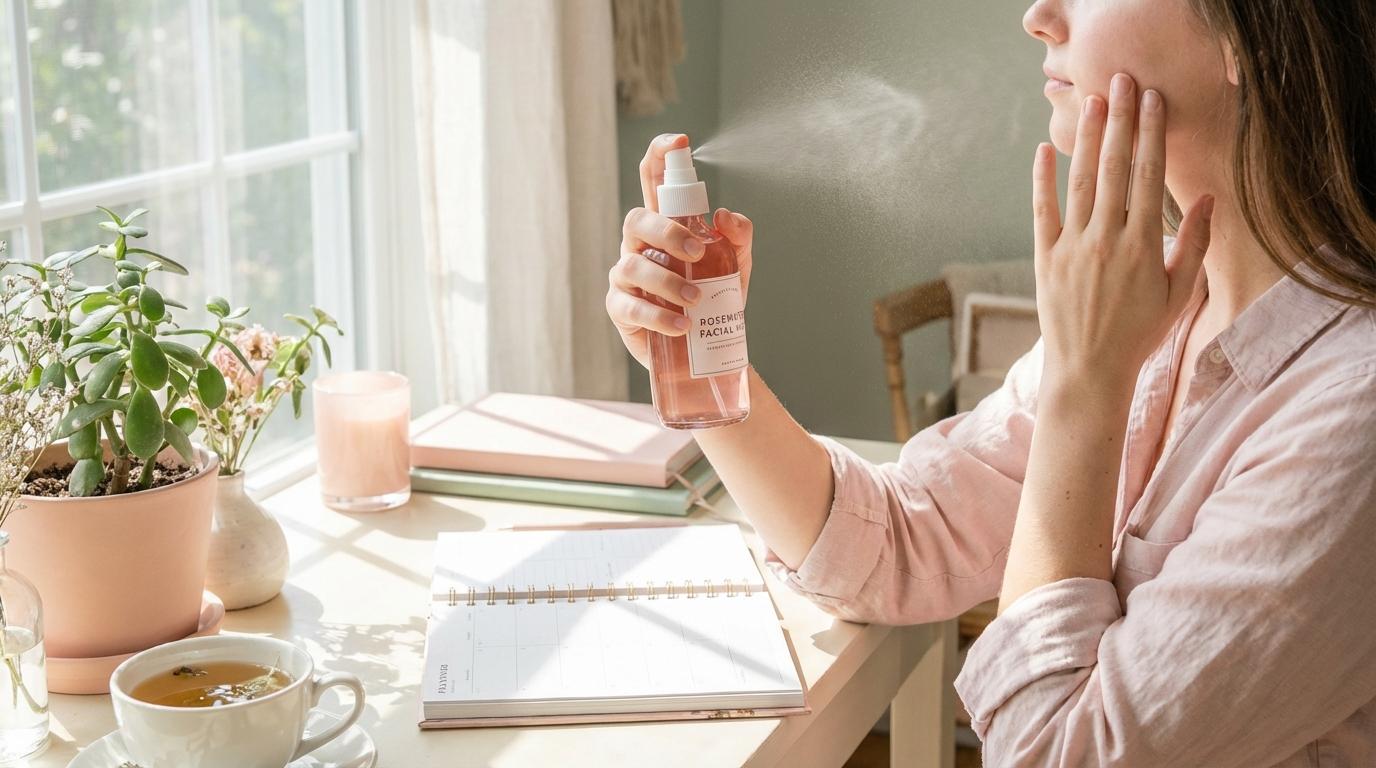
Most face mists are glorified water in expensive packaging, and I’m not going to pretend otherwise. After years of testing products as a beauty editor, I can tell you that about 80% of mists on the market do nothing meaningful for your skin. But that other 20%? Worth knowing about.
The face mist category has exploded because it’s easy to sell the idea of instant refreshment. Spray, feel good, move on. But if you want products that actually benefit your skin, you need to understand what separates useful mists from expensive placebo.
Thermal Water: The Original Face Mist
Thermal water mists started this whole category. Brands like Avene, La Roche-Posay, and Vichy source water from natural hot springs in France, each with slightly different mineral compositions.
The mineral content matters. Thermal waters contain things like silica, selenium, and magnesium that genuinely calm irritated skin. They’re anti-inflammatory. Clinical studies back this up for conditions like eczema and post-procedure redness.
Avene thermal water has a neutral pH and is clinically shown to reduce sensitivity. La Roche-Posay’s water is selenium-rich, which helps with antioxidant protection. Vichy’s is higher in minerals overall.
Use thermal water when:
- Your skin is irritated or sunburned
- After harsh treatments like lasers or peels
- During long flights (low humidity destroys skin)
- To calm redness before makeup
Skip thermal water if you’re just looking for hydration. The minerals help with inflammation, but plain thermal water evaporates and can actually leave skin drier than before. More on that problem shortly.
Setting Spray vs. Hydrating Mist: Two Different Products
These get confused constantly. They’re in similar packaging and both spray on your face. The similarity ends there.
Setting sprays are designed to lock makeup in place. They contain film-forming ingredients like polymers or alcohol that create a thin layer over your makeup. Good ones extend wear time. They’re about your makeup, not your skin.
Hydrating mists are meant to add moisture to skin. They contain humectants like glycerin or hyaluronic acid that attract and hold water. They’re skincare, whether you wear makeup or not.
The problem: many products marketed as “refreshing” or “hydrating” mists are essentially setting sprays with hydrating claims. Check the ingredients. If alcohol is in the top three, it’s prioritizing setting over hydration.
What to look for in a hydrating mist:
- Glycerin, hyaluronic acid, or aloe near the top of the ingredient list
- No alcohol (or alcohol very low on the list)
- Soothing ingredients like centella, allantoin, or chamomile
- No heavy fragrance (can irritate with repeated use)
Setting sprays are fine if you need them for their intended purpose. Just don’t expect skin benefits.
When Misting Helps vs. When It Backfires
This is where most face mist advice fails people. Misting can genuinely help your skin in specific situations. It can also make things worse.
Misting helps when:
- You’re in a humid environment and the mist contains humectants
- You apply mist then seal with moisturizer or oil
- You’re using it as a toner replacement (some mists work for this)
- Your skin needs calming (thermal water specifically)
- You’re prepping for serums that absorb better on damp skin
Misting backfires when:
- You’re in dry air (low humidity environments)
- You mist and let it evaporate without sealing
- The mist is just water with no humectants
- You’re misting over dry skin repeatedly throughout the day
The science here is simple. Humectants pull water from wherever they can find it. In humid air, they pull water from the environment into your skin. In dry air, they pull water from your deeper skin layers to the surface, where it evaporates. You end up drier than before.
If you’re going to mist throughout the day, you need either humid conditions or a mist that contains occlusives to seal moisture in. Otherwise, you’re just accelerating water loss from your skin.
Mists That Actually Deliver Ingredients
Beyond thermal water and basic hydration, some mists pack serious active ingredients. These can genuinely benefit your skin if formulated properly.
Niacinamide mists work. The ingredient is water-soluble and stable, making mists an effective delivery method. Good for pore appearance and oil control.
Antioxidant mists vary in effectiveness. Some formulations include stable vitamin E, green tea, or resveratrol. Others use unstable ingredients that degrade before doing anything useful. Check if the bottle is opaque or UV-protected.
Hyaluronic acid mists need proper molecular weight. The HA must be low enough to absorb. Many mists use high molecular weight HA that just sits on top of skin. Look for “low molecular weight” or “multi-weight” on the label.
Essence-type mists from Korean skincare brands often include fermented ingredients, ceramides, or peptides. These can function as a legitimate skincare step, not just a refresher.
DIY Face Mist Options
Making your own mist is cheaper and simpler than the beauty industry wants you to believe. Some DIY options are genuinely effective. Others are a waste of time or potentially harmful.
What works:
Glycerin and water. Mix about 1 part vegetable glycerin to 10 parts distilled water. Add to a spray bottle. Shake before use. This creates a basic humectant mist that actually hydrates. Refrigerate and use within a week since there are no preservatives.
Green tea mist. Brew green tea, let it cool completely, and transfer to a spray bottle. The antioxidants are real and somewhat stable when kept refrigerated. Use within 3-4 days. Discard if it smells off.
Aloe vera water. Mix pure aloe vera gel with distilled water (about 1:3 ratio). Strain through cheesecloth for a smoother spray. Good for calming irritation. Refrigerate and use within a week.
What to avoid:
Essential oils in mists. They don’t dissolve in water, so they float on top and can spray concentrated oil directly onto skin. Many essential oils are irritating or photosensitizing. Skip them.
Tap water. It contains chlorine, minerals, and potential bacteria that you don’t want on your face repeatedly. Always use distilled water for DIY skincare.
Long-term storage without preservatives. Homemade mists grow bacteria quickly. Make small batches, keep them refrigerated, and toss them weekly. If anything looks cloudy or smells different, throw it out immediately.
How to Actually Use a Face Mist
Technique matters more than people think.
Hold the bottle 6-8 inches from your face. Closer sprays create droplets that are too large and run down your face. Further away wastes product.
Mist in a T or X pattern to cover your whole face evenly. One spray in the center usually leaves the perimeter dry.
Pat gently after misting. Don’t let it fully air dry. Patting helps absorption and prevents pure evaporation.
Layer correctly. If using a hydrating mist as part of your routine, apply it after cleansing, before serums. If using it to refresh during the day, consider following with a light layer of moisturizer or facial oil to seal.
For makeup setting, wait for your makeup to set for a minute first, then mist from a distance. Let it dry naturally without touching.
Mists Worth Buying
I’m selective about recommendations, but these deliver what they promise:
For calming: Avene Thermal Spring Water. Simple, effective, backed by research. Works well for sensitive or post-treatment skin.
For hydration: Laneige Cream Skin Refiner (milky toner, but sprayable). Contains ceramides and actually hydrates without just evaporating.
For glow: Pixi Glow Mist. Contains multiple antioxidants and a subtle luminosity. Works under or over makeup.
For ingredients: Paula’s Choice Hyaluronic Acid Booster mixed into any mist. Or their Pore-Reducing Toner in a spray bottle (works as a niacinamide mist).
Budget option: Mario Badescu Facial Spray with Aloe, Herbs and Rosewater. Contains glycerin for actual hydration. The rose scent is a bonus if you’re into that.
When to Skip Mists Entirely
Face mists are optional. They can be nice, but they’re rarely essential.
If you’re on a tight budget, spend money on cleanser, moisturizer, and sunscreen first. Mists are a luxury addition, not a necessity.
If you have extremely dry skin and live in a dry climate, mists without proper sealing will make your problem worse. Stick to traditional leave-on products.
If your routine is already working well, adding a mist probably won’t improve results noticeably. Don’t fix what isn’t broken.
Mists are useful tools when chosen and used correctly. They’re unnecessary purchases when used as a band-aid for poor hydration habits or marketed benefits they can’t deliver. Know the difference.