
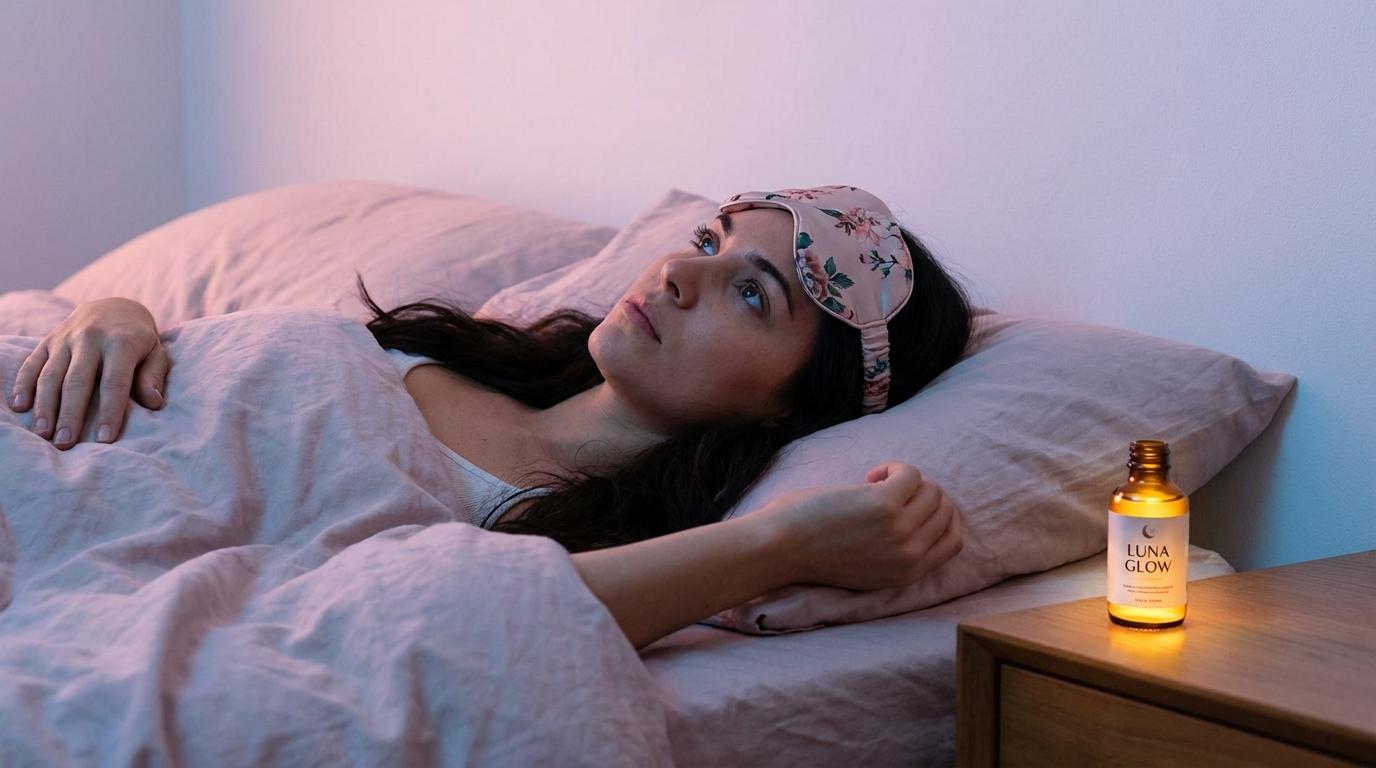
Sleep deprivation destroys skin. Not slowly, not subtly. Within days of poor sleep, your skin starts falling apart at the cellular level. I spent years as a beauty editor watching brands push expensive serums while ignoring the most powerful skin repair tool that costs exactly nothing.
Your skin runs on a 24-hour clock. During the day, it defends. At night, it repairs. When you cut sleep short, you’re not just feeling tired. You’re actively preventing your skin from doing the maintenance work it desperately needs.
The Cortisol Problem Nobody Talks About
When you don’t sleep enough, your body pumps out cortisol. This stress hormone exists to keep you alive during emergencies. But chronic sleep loss keeps cortisol levels elevated around the clock.
What does cortisol actually do to skin?
It breaks down collagen. Collagen is the protein that keeps skin firm and bouncy. Cortisol literally accelerates its destruction. One night of bad sleep won’t cause permanent damage. But consistent sleep deprivation chips away at your collagen stores week after week.
Cortisol also triggers inflammation. That means redness, puffiness, and skin that just looks irritated for no apparent reason. If you’ve ever wondered why your face looks swollen after a rough night, elevated cortisol is the culprit.
The connection between stress and skin damage goes deeper than most people realize. Sleep deprivation is chronic stress, even if you don’t feel particularly anxious.
Your Skin Repairs While You Sleep (Or Doesn’t)
Between 11pm and 4am, your skin enters peak repair mode. Cell turnover increases. Blood flow to the skin ramps up. Human growth hormone gets released, stimulating collagen production and tissue repair.
None of this happens while you’re awake scrolling TikTok.
During waking hours, your skin shifts to defense mode. It’s busy blocking UV rays, fighting off pollution, and dealing with environmental stressors. Repair gets pushed to the back burner. The longer you stay awake, the less time your skin has for actual restoration.
This matters because skin damage accumulates faster than repair can handle when you’re sleep-deprived. You end up with a deficit. Microscopic damage from sun exposure and pollution piles up without adequate healing. Eventually, that shows on your face.
I’ve written about the science behind sleep-based skin repair before. The short version: your body treats sleep as protected maintenance time. Cutting it short means running on borrowed time.
What Sleep Deprivation Actually Looks Like
Forget “tired eyes.” The visible effects of sleep loss go way beyond dark circles.
Dull, sallow skin. Without proper blood flow during rest periods, skin loses that healthy glow. You look washed out because your skin literally isn’t getting the nutrients it needs.
Fine lines appearing faster. Dehydration from cortisol plus reduced collagen production equals premature wrinkles. Women in their twenties start noticing lines after prolonged sleep deprivation that wouldn’t appear for another decade with proper rest.
Breakouts. Cortisol increases sebum production. More oil means more clogged pores. It also weakens the skin barrier, making you more vulnerable to bacteria. Acne loves sleep-deprived skin.
Dark circles and puffiness. Blood pools under thin under-eye skin when you don’t rest enough. Fluid retention from inflammation adds puffiness. No eye cream fixes the underlying problem.
Slower healing. Cuts take longer to heal. Pimples stick around. Post-inflammatory hyperpigmentation lasts longer. Your skin’s repair mechanisms just can’t keep up.
The Inflammation Cascade
Sleep deprivation doesn’t just cause surface-level problems. It triggers systemic inflammation that affects every organ, including your skin.
When you miss sleep, your body produces more inflammatory markers like IL-6 and TNF-alpha. These compounds are meant to help fight infections and heal injuries. But chronic elevation causes problems.
In skin, persistent inflammation:
- Accelerates aging at the cellular level
- Worsens existing conditions like eczema and psoriasis
- Increases sensitivity and reactivity
- Impairs the skin barrier function
- Makes breakouts more likely and more severe
Your body can’t distinguish between sleep loss and actual illness. It responds the same way: inflammation. And inflammation ages skin faster than almost anything else.
How Much Sleep Do You Actually Need?
The standard recommendation is 7-9 hours. But quality matters as much as quantity.
Six hours of solid, uninterrupted sleep beats eight hours of fragmented tossing and turning. Deep sleep stages, particularly stage 3 NREM sleep, are when most skin repair happens. If you’re constantly waking up or never reaching deep sleep, your skin won’t benefit even from adequate hours in bed.
Consistency also matters more than occasional catch-up sleep. Your circadian rhythm regulates hormone release, including the ones that repair skin. Irregular sleep schedules mess with this rhythm, even if total hours average out fine.
Recovery Prioritization: What Actually Helps
You can’t cream your way out of sleep deprivation. But you can prioritize recovery strategically.
Fix the sleep first. Everything else is a band-aid. No retinol, vitamin C, or expensive treatment compensates for chronic sleep loss. Get your sleep schedule in order before optimizing anything else.
Focus on barrier repair when tired. Sleep-deprived skin has a compromised barrier. Skip the actives on bad sleep nights. Use a simple moisturizer with ceramides or squalane to support barrier function.
Stay hydrated. Cortisol causes water loss. Drink more water and consider a hyaluronic acid serum to help skin hold onto moisture.
Don’t pile on actives. Your skin is already stressed. Adding retinoids or AHAs when sleep-deprived often backfires. Sensitivity increases. Reactions become more likely. Keep routines minimal until you’re rested.
Sometimes taking rest days from your routine is the smartest thing you can do for your skin.
The Long-Term Picture
One bad night won’t ruin your skin. But chronic sleep deprivation absolutely accelerates aging.
Studies on sleep-deprived participants consistently show they’re rated as looking less healthy, more tired, and older than well-rested peers. This isn’t perception bias. Sleep deprivation causes measurable changes in skin elasticity, moisture levels, and visible wrinkles.
Women who consistently sleep less than 6 hours show significantly more signs of skin aging by their early thirties. We’re talking about differences that take others an additional decade to develop.
The cumulative effect matters. Every night of insufficient sleep adds to the damage. Every night of good sleep contributes to repair. You’re either building up skin health or breaking it down. There’s no neutral.
What This Means For Your Skincare
Your products can’t outperform your habits. A thousand-dollar routine means nothing if you’re averaging five hours a night.
Sleep is free. It’s the most effective anti-aging intervention that exists. It boosts collagen production, reduces inflammation, improves skin barrier function, and accelerates healing.
Before adding another serum to your cart, ask yourself: Am I sleeping enough? If the answer is no, that’s where your skincare optimization needs to start.
Not with a new product. With your pillow.