
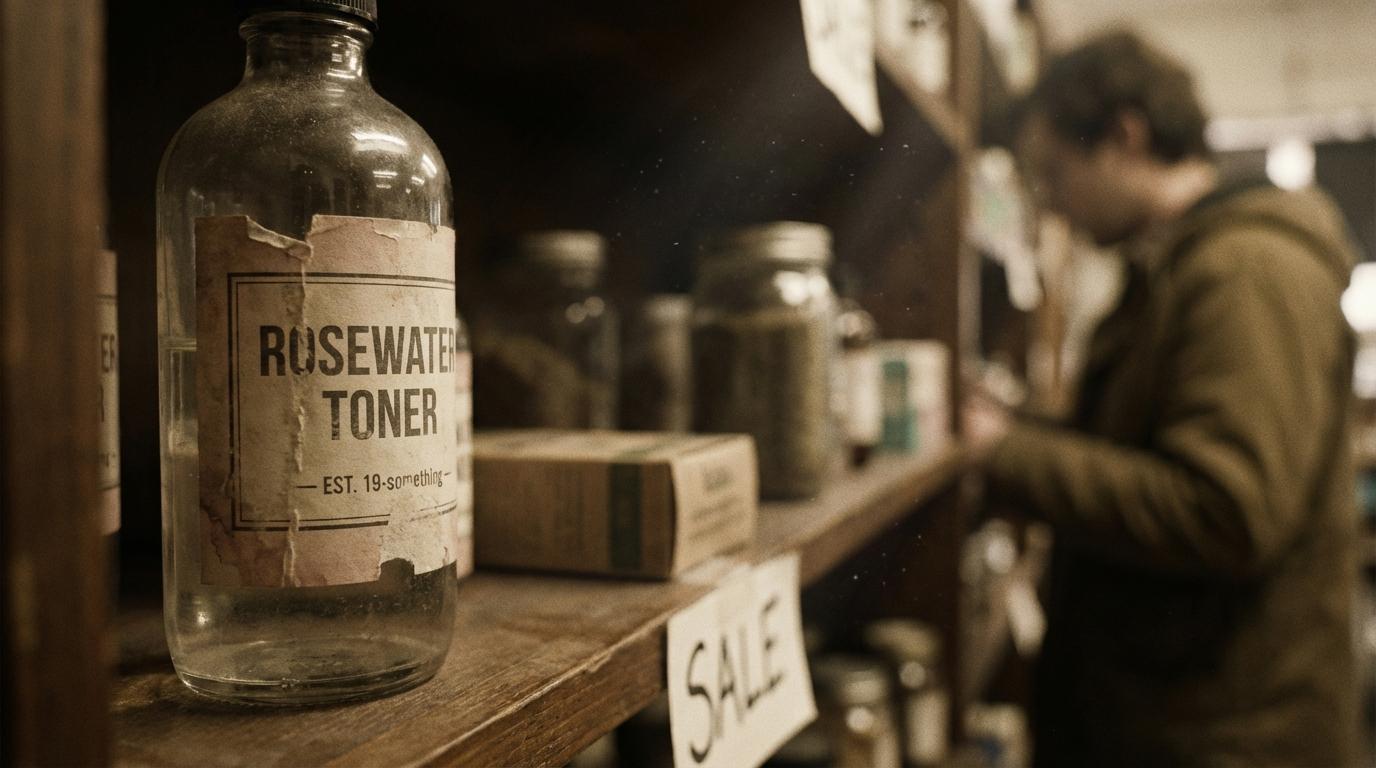
Every time I walk into a discount beauty store, I feel a little thrill at the prices and a little tug of caution in my gut. That tension is healthy. Discount retailers, liquidation shops, and clearance bins can hold genuinely good skincare at a fraction of the original cost. But they can also hold products that expired months (or years) ago, sitting under fluorescent lights with no one checking on them. The good news is that spotting these duds is a skill you can learn in about five minutes.
Why Expired Products End Up on Shelves
Discount stores work by buying overstock, closeout inventory, and products with short shelf lives that mainstream retailers did not sell quickly enough. None of that is inherently bad. A moisturizer manufactured eight months ago and purchased in bulk from a brand’s warehouse is still perfectly fine. The issue comes when that chain of custody includes poor storage conditions, unclear timelines, or products that sat in a warehouse for years before reaching the shelf.
Brands print expiration dates on packaging in different ways, and there is no universal standard in the United States. Some use a clear “EXP” date. Others use batch codes that only a decoder tool can translate. And some products carry only a Period After Opening (PAO) symbol, that small open-jar icon with a number like “12M” on it, which tells you how many months the product stays effective after you first crack the seal. If the product was never opened, the PAO does not help you figure out how old it actually is.
Reading Batch Codes Like a Pro
Batch codes are those short strings of letters and numbers stamped on the bottom of a bottle, the crimp of a tube, or the side of a jar. They usually run three to ten characters long and look something like “0324AB” or “J1G.” They are not random. Each brand has its own system, and the code tells the manufacturer exactly when and where that product was made.
You cannot decode most batch codes by staring at them, but you can use free websites like CheckCosmetic or CheckFresh. Type in the brand name, enter the batch code, and the site tells you the production date. From there, you can estimate whether the product is still within its typical shelf life. Most unopened skincare products last two to three years from the date of manufacture, though sunscreens and products with active ingredients like vitamin C or retinol tend to degrade faster.
Pull out your phone in the store aisle. It takes thirty seconds. If a product was made more than two years ago and it has never been opened, proceed with skepticism. If it was made more than three years ago, put it back.
Visual Warning Signs You Can Spot Instantly
You do not always need a batch code checker. Your eyes and nose can catch a lot. Here is what to look for before you even open anything:
- Packaging damage. Dented tubes, cracked lids, and broken seals all let air and bacteria in. Even if the product itself was fine, compromised packaging accelerates spoilage.
- Faded labels. If the label looks sun-bleached or the print has worn off, that product has been sitting somewhere hot and bright for a while. Heat and UV light break down active ingredients and preservatives.
- Swollen or bloated containers. Gas buildup inside a sealed product is a sign of microbial activity. This is especially common with products that contain water and botanical extracts.
- Discoloration visible through the packaging. A once-clear serum that looks yellow or brown through the bottle has likely oxidized. Vitamin C serums are notorious for this shift.
Texture Changes That Mean “Put It Back”
If the store lets you open testers, or if the product has a pump that lets you see the texture, pay attention. Fresh products have a consistent, smooth feel. Expired products tell on themselves.
Separation is the biggest red flag. When a cream or lotion splits into a watery layer and a thick layer, the emulsion has broken down. Sometimes shaking it will bring it back together temporarily, but that fix will not last, and the formula is no longer stable. Graininess in a product that should be smooth is another sign. Those tiny gritty bits mean ingredients have crystallized or degraded.
An off smell is the other deal-breaker. Rancid oils smell sour or metallic. Preservative breakdown can produce a sharp chemical odor. If a product smells different from what you would expect, your nose is doing you a favor. Trust it. Even products labeled “fragrance-free” should smell neutral, not funky.
When to Pass, Even if the Price Is Right
Some categories deserve extra caution at discount stores. Sunscreen tops that list. The FDA requires sunscreens to carry expiration dates, and active UV filters degrade over time, so expired sunscreen can leave you with less protection than you think. That is not a gamble worth taking for a few dollars saved.
Products with retinol, vitamin C (ascorbic acid), and benzoyl peroxide are also sensitive to time and storage conditions. If you find these at a discount store and the batch code shows they are more than a year old, the active ingredient may have lost most of its potency. You might be applying a nice-smelling lotion, but not getting any of the benefit you are paying for. If you already know how important timing is when shopping sales, the same logic applies here: a deal is only a deal if the product still works.
Eye creams and anything you use near mucous membranes (lips, eyes, inside the nose) carry higher contamination risk once preservatives break down. Be pickier with these.
When Discount Stores Are Worth It
Not everything on those shelves is suspect. Plenty of products are perfectly fine. Petroleum jelly, for example, has an almost indefinite shelf life. Basic cleansers with simple formulas tend to last well. Store brand skincare can be a solid find at discount prices, especially if the batch codes check out and packaging is intact.
Bar soaps, body lotions with simple ingredient lists, cotton pads, and basic tools are all safe bets. The risk goes up with complexity. The more active ingredients, botanical extracts, and water-based formulas a product contains, the more vulnerable it is to degradation over time.
A good rule is to check the batch code on anything with active ingredients and give basic products a visual and smell check. If both pass, you are probably fine.
When to Splurge Instead
There are moments when spending a little more at a standard retailer makes more sense than hunting for discounts. If you need a product with a specific active ingredient at a guaranteed potency, like a prescription-strength retinoid alternative or a high-concentration vitamin C serum, buy it fresh from an authorized seller. The cost difference between a discount find and a full-price purchase is often only a few dollars, and you get the security of knowing the supply chain was controlled.
Sunscreen falls into this camp too. If you are buying SPF for daily use or a beach trip, grab it from a store with regular inventory turnover. Your skin will get the protection the label promises.
For everything else, discount stores can be a genuinely smart way to build a routine without overspending. You just need to bring a little awareness with you. Check the code, trust your senses, and walk away from anything that feels off. Your skin and your wallet will both be better for it.