
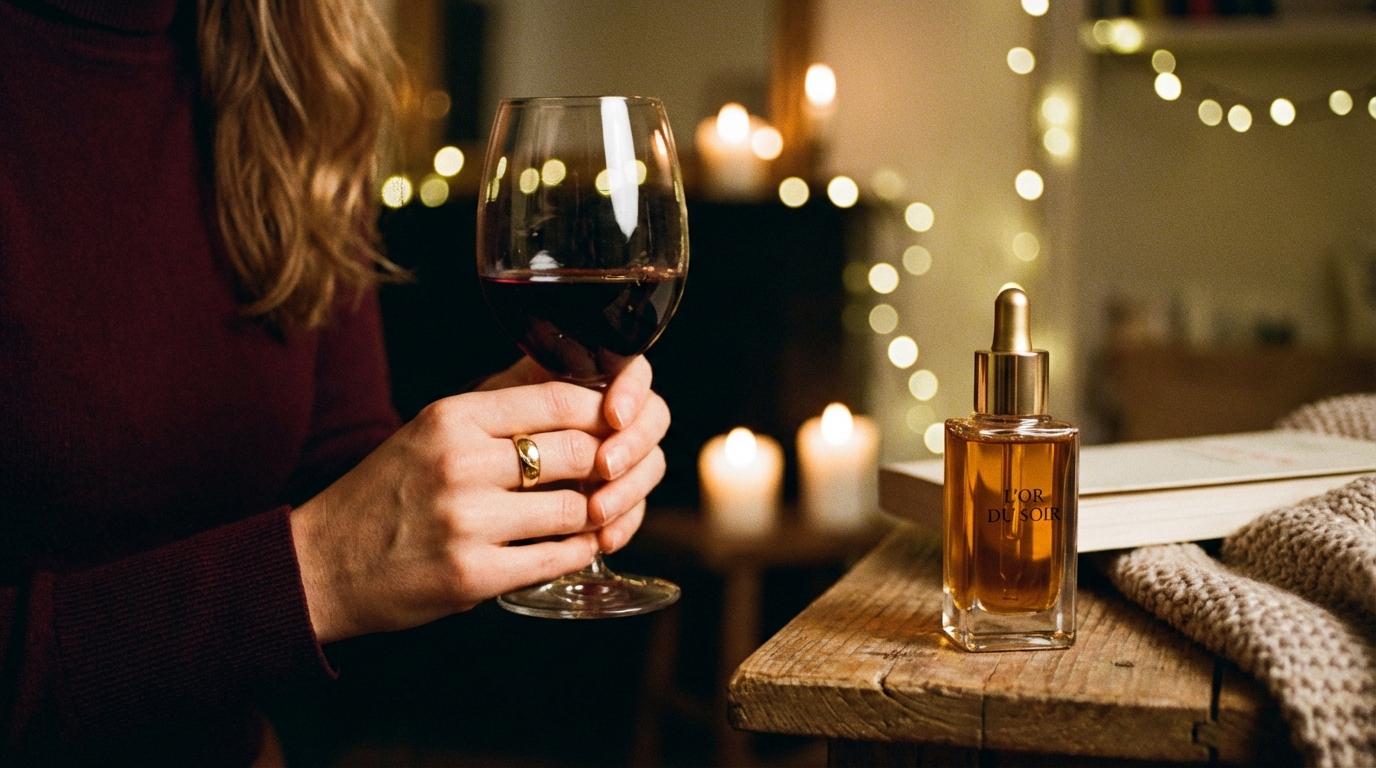
Resveratrol sounds almost too good to be true when you first hear about it. This antioxidant, found naturally in grape skins and red wine, has captured the attention of skincare scientists and minimalists alike for its ability to protect skin from the environmental stressors we encounter daily. While some ingredients need a lengthy explanation to justify their place in your routine, resveratrol earns its spot through quiet, effective defense work that your skin genuinely benefits from.
What Resveratrol Actually Does for Your Skin
Resveratrol belongs to a class of plant compounds called polyphenols, which plants produce to protect themselves from harsh conditions like UV radiation and fungal attacks. When applied to human skin, this protective quality translates into something genuinely useful: neutralizing free radicals before they can damage your cells.
Free radicals are unstable molecules that form when your skin encounters pollution, UV rays, cigarette smoke, and even the blue light from your devices. These molecules essentially steal electrons from healthy skin cells, triggering a chain reaction that leads to premature aging, dullness, and weakened skin structure. According to research published in Oxidative Medicine and Cellular Longevity, resveratrol can intercept this process by donating electrons to free radicals, stabilizing them before they cause harm.
The practical outcome? Your skin maintains its collagen and elastin fibers longer, stays more resilient against daily exposure, and retains that healthy vitality that no filter can truly replicate. If you want to understand more about how this process works, we have a detailed guide on free radicals and why they matter for anyone who wants the deeper science.
How Resveratrol Protects Against Environmental Damage
Living in modern environments means your skin faces a constant barrage of invisible attacks. City air contains particulate matter that can penetrate pores and generate oxidative stress. UV exposure, even on cloudy days, triggers the formation of reactive oxygen species. The cumulative effect of these daily exposures accelerates skin aging far more than genetics alone would predict.
Resveratrol works as part of your skin’s defense system by targeting multiple pathways. Studies have shown it can inhibit certain enzymes involved in inflammation, reduce the activity of proteins that break down collagen, and even influence genes related to cellular longevity. Research from the Journal of Cosmetic Dermatology demonstrated that topical resveratrol application led to measurable improvements in skin texture and firmness after consistent use.
For those living in urban areas, adding an antioxidant like resveratrol makes particular sense. The combination of pollution exposure and daily sunlight creates the perfect conditions for oxidative damage, and having a layer of protection beyond just sunscreen helps your skin handle what the day brings. Our article on protecting your skin in polluted cities covers complementary strategies you might find helpful.
The Stability Challenge
Resveratrol has one significant weakness that skincare formulators have spent years trying to address: it breaks down quickly when exposed to light and air. This instability means that not every resveratrol product delivers what it promises. A poorly formulated serum might look impressive on the ingredient list but contain degraded compounds that do little for your skin by the time you apply them.
When shopping for resveratrol products, packaging matters enormously. Look for opaque bottles, preferably airless pumps that minimize oxygen exposure each time you use the product. Dark glass or aluminum containers protect light-sensitive ingredients better than clear bottles sitting on sunny bathroom shelves. The product should also be stored somewhere cool, away from direct sunlight or the warm humidity of your shower.
Formulators have developed several approaches to improve resveratrol stability. Encapsulation technology wraps the active ingredient in protective spheres that release only upon application. Some products combine resveratrol with stabilizing agents like vitamin E or ferulic acid, which can actually enhance overall antioxidant performance while protecting the resveratrol itself. According to research in the International Journal of Pharmaceutics, these formulation strategies can extend resveratrol’s active lifespan significantly.
Pairing Resveratrol with Other Antioxidants
One of the most compelling aspects of resveratrol is how well it plays with other protective ingredients. Antioxidants often work synergistically, meaning their combined effect exceeds what each would achieve alone. This principle guides why many effective serums contain carefully balanced antioxidant blends rather than relying on a single star ingredient.
Vitamin C and resveratrol make a particularly powerful combination. While vitamin C works primarily in the water-based environments of your skin, resveratrol operates well in both water and oil phases, allowing them to protect different cellular structures. Vitamin E adds another dimension, concentrating in cell membranes where it can neutralize lipid peroxidation, a type of oxidative damage that resveratrol alone might miss.
Ferulic acid deserves special mention because it not only boosts the effectiveness of other antioxidants but also helps stabilize them against degradation. A formula containing vitamin C, vitamin E, and ferulic acid, with added resveratrol, creates a comprehensive shield against environmental assault. The Journal of the American Academy of Dermatology has published research showing how these combinations outperform individual antioxidants in protecting against UV-induced damage.
Niacinamide also pairs thoughtfully with resveratrol. While niacinamide strengthens the skin barrier and helps regulate oil production, resveratrol handles free radical defense, allowing each ingredient to excel in its specialty. This combination works particularly well for those with sensitive skin who want antioxidant protection without potential irritation from high-concentration vitamin C.
When and How to Use Resveratrol
Incorporating resveratrol into a minimalist routine requires no major restructuring. The ingredient works beautifully in serums applied after cleansing and before moisturizing. Morning application makes the most sense because that is when your skin will encounter the majority of environmental stressors, though evening use can support overnight repair processes too.
A small amount goes a long way with most resveratrol serums. Two to three drops spread across your face and neck provide sufficient coverage. Allow the serum to absorb for a minute or two before applying moisturizer and sunscreen. Speaking of sunscreen, remember that antioxidants complement sun protection but never replace it. Think of them as partners in your skin’s defense team, each handling different aspects of the protection your skin needs.
Resveratrol generally suits all skin types well. Unlike some potent actives that require careful introduction, most people can begin using resveratrol products without an extended adjustment period. Those with particularly sensitive skin might start with every other day application, but reactions are uncommon. The ingredient tends to feel lightweight and absorbs without leaving residue, making it compatible with makeup application and layering under heavier creams.
Realistic Expectations
Antioxidants are protective rather than corrective. Resveratrol excels at preventing future damage and supporting your skin’s natural resilience, but it will not dramatically reverse years of sun damage or deeply set wrinkles overnight. What it offers is something more sustainable: consistent defense that helps your skin age on its own timeline rather than accelerated by environmental factors.
Visible improvements, when they occur, tend to be subtle and cumulative. After several weeks of consistent use, many people notice their skin looks healthier, more even in tone, and maintains hydration better. Fine lines may appear slightly softer, and overall skin texture often improves. These changes reflect the reduced oxidative burden on your cells rather than any aggressive resurfacing effect.
The real value of resveratrol lies in what it prevents rather than what it treats. Those who start using antioxidants in their twenties or thirties often find their skin maintains better quality over the years compared to peers who skipped this protective step. Prevention requires less effort than correction, and resveratrol fits beautifully into this gentle, proactive approach to skincare.
Choosing the Right Product
Quality matters more than concentration claims when selecting a resveratrol product. A well-formulated serum at a moderate percentage will outperform a high-concentration product in unstable packaging. Look for products from brands known for investing in stability research and quality control.
Price does not always indicate effectiveness. Some mid-range brands produce excellent resveratrol formulations with thoughtful supporting ingredients and protective packaging. Read ingredient lists to ensure resveratrol appears reasonably high, ideally within the first third of the list. Products that combine it with complementary antioxidants often provide better overall value than single-ingredient options.
Consider your existing routine when adding resveratrol. If you already use a vitamin C serum, look for a product that layers well or consider a formula that combines both ingredients. If your routine is minimal, a standalone resveratrol serum makes a worthy first antioxidant investment. The goal is sustainable consistency, so choose a product that fits naturally into your current habits.
Resveratrol represents the kind of ingredient that rewards patience and consistency. It will not transform your skin overnight, but it will quietly protect and support your skin through countless daily exposures. For those of us who believe in doing less with better intention, this antioxidant from grape skins offers exactly the kind of thoughtful, effective protection worth keeping in rotation.