
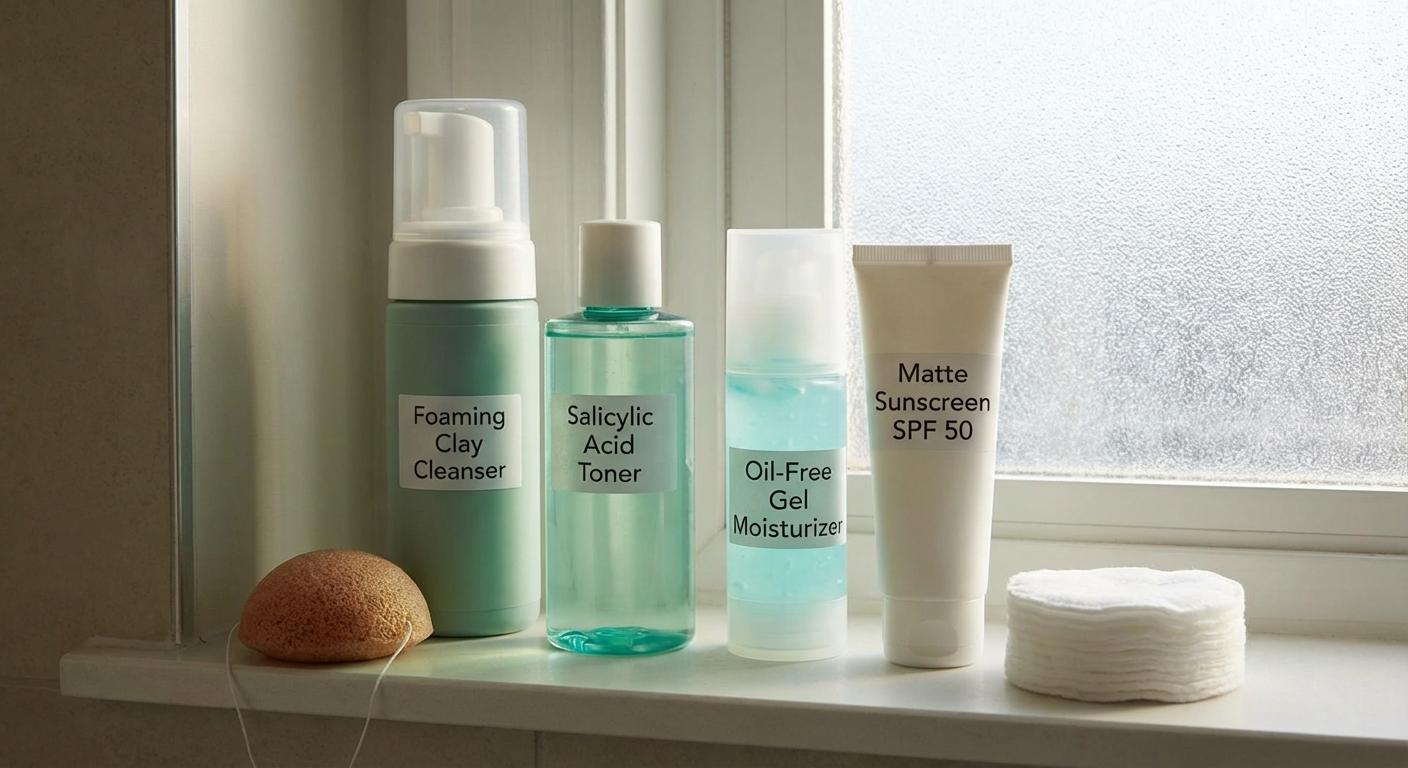
Let’s skip the fluff. You’re here because your face is shiny by noon and you’ve got breakouts that won’t quit. I get it. I spent years fighting this exact battle.
Here’s what’s actually happening.
Why Your Skin Does This
Oily skin and acne are connected. Your sebaceous glands produce sebum (oil). When they overproduce, that oil mixes with dead skin cells, clogs your pores, and bacteria move in. Breakout city.
Hormones drive most of this. Androgens tell your oil glands to go into overdrive. That’s why acne peaks during puberty, around your period, and during stressful times.
Stress spikes cortisol. Cortisol triggers more sebum production. It’s a vicious cycle.
What Actually Works
I’m going to be straight with you. There’s no overnight fix. But these strategies actually make a difference.
Cleanse Twice Daily, Not More
Washing your face ten times won’t help. It’ll strip your skin, and your glands will pump out even more oil to compensate.
Use a gentle cleanser in the morning and at night. Look for one with salicylic acid if you’re acne-prone. It dissolves the gunk inside your pores.
Don’t scrub. Pat dry. Move on.
Moisturize (Yes, Really)
I know this sounds backwards. Your skin is already oily. Why add moisture?
Because dehydrated skin overproduces oil. A lightweight, oil-free moisturizer tells your skin it doesn’t need to go crazy with the sebum.
Look for “non-comedogenic” on the label. It means it won’t clog your pores.
Use the Right Actives
Here’s what actually fights acne:
- Salicylic acid (BHA): Gets inside pores and cleans them out. Start with 2%.
- Benzoyl peroxide: Kills acne-causing bacteria. Use 2.5% to start. Higher percentages just irritate more.
- Niacinamide: Regulates oil production and calms inflammation. 5% works well.
- Retinoids: Speed up cell turnover so dead cells don’t clog pores. Start slow. Adapalene is available over the counter now.
Don’t use all of these at once. Pick one or two. Give them 6-8 weeks before deciding they don’t work.
Exfoliate Weekly
Exfoliation removes dead skin cells before they can clog your pores. But do it wrong and you’ll make things worse.
Chemical exfoliants beat physical scrubs. AHAs (glycolic, lactic acid) work on the surface. BHAs (salicylic) work inside pores. For oily, acne-prone skin, BHA is usually better.
Once or twice a week is enough. More than that and you’re asking for irritation.
Food and Your Skin
Diet matters more than people used to think.
High-glycemic foods spike your blood sugar. Your body releases insulin, which triggers more oil production and inflammation. The result? More breakouts.
Foods to limit:
- White bread, pasta, and rice
- Sugary drinks and snacks
- Processed junk food
Foods that help:
- Vegetables (especially leafy greens)
- Fatty fish (omega-3s reduce inflammation)
- Nuts and seeds
- Whole grains
Dairy is controversial. Some studies link it to acne, especially skim milk. If you’ve tried everything else, cutting dairy for a month is worth a shot.
Exercise and Acne
Exercise is good for your skin. It increases blood flow, reduces stress, and helps regulate hormones.
The problem is sweat sitting on your face. That’s what causes post-workout breakouts, not the exercise itself.
Fix it:
- Remove makeup before working out
- Wash your face within 30 minutes of finishing
- Keep a clean towel handy to pat away sweat
- Don’t touch your face during workouts
That’s it. Don’t skip exercise because you’re worried about breakouts.
Lifestyle Stuff That Matters
Sleep. Your skin repairs itself at night. Less than 7 hours consistently? Expect more breakouts. Cortisol levels rise when you’re sleep-deprived.
Water. Stay hydrated. Dehydrated skin produces more oil. Aim for 8 glasses a day. More if you’re active or it’s hot.
Hands off. Stop touching your face. Your hands transfer bacteria, dirt, and oil directly to your pores. I know it’s hard. Do it anyway.
Clean your phone. You press that thing against your face constantly. Wipe it down daily.
Change your pillowcase. At least once a week. Twice is better if you’re breaking out a lot.
Sun Protection
You need sunscreen. Every single day. Yes, even if it’s cloudy.
Sun damage triggers inflammation and can darken acne scars. Some acne treatments also make your skin more sensitive to UV.
Use SPF 30 or higher. Look for “oil-free” and “non-comedogenic” on the label. Reapply every 2 hours if you’re outside.
Don’t chase a tan thinking it’ll dry out your acne. It won’t. It’ll just damage your skin and make scarring worse.
When to See a Dermatologist
Sometimes over-the-counter products aren’t enough.
See a dermatologist if:
- You have deep, painful cystic acne
- Over-the-counter treatments haven’t worked after 3 months
- Your acne is leaving scars
- You’re dealing with acne alongside other symptoms (irregular periods, excess hair growth)
They can prescribe stronger retinoids, antibiotics, or hormonal treatments that actually target the root cause.
Don’t be embarrassed. Acne is medical. Sometimes it needs medical treatment.
Quick Morning Routine for Oily Skin
- Gentle cleanser
- Niacinamide serum (optional)
- Oil-free moisturizer
- Sunscreen
That’s it. Four products max. Don’t overcomplicate this.
Quick Night Routine for Oily Skin
- Cleanser (double cleanse if you wear makeup or sunscreen)
- Active treatment (salicylic acid, benzoyl peroxide, or retinoid)
- Oil-free moisturizer
Three steps. Done.
What Not to Do
Stop doing these things:
- Popping pimples. You’re pushing bacteria deeper and creating scars.
- Using harsh scrubs. Microbeads and crushed walnut shells damage your skin.
- Switching products constantly. Give things time to work.
- Skipping moisturizer. Your skin needs hydration.
- Ignoring ingredients. If something breaks you out, stop using it. Check labels.
Oily skin and acne are manageable. It takes consistency, the right products, and some patience. No magic solutions exist, but real results do if you stick with it.
Now go wash your face and get some sleep.
Maya