
So you’ve been doing everything right. Double cleansing. Niacinamide. Maybe even retinol on your brave days. Your cheeks look amazing. Your chin is behaving. But your forehead? It’s staging a full rebellion with tiny bumps, whiteheads, and that annoying texture that just won’t quit.
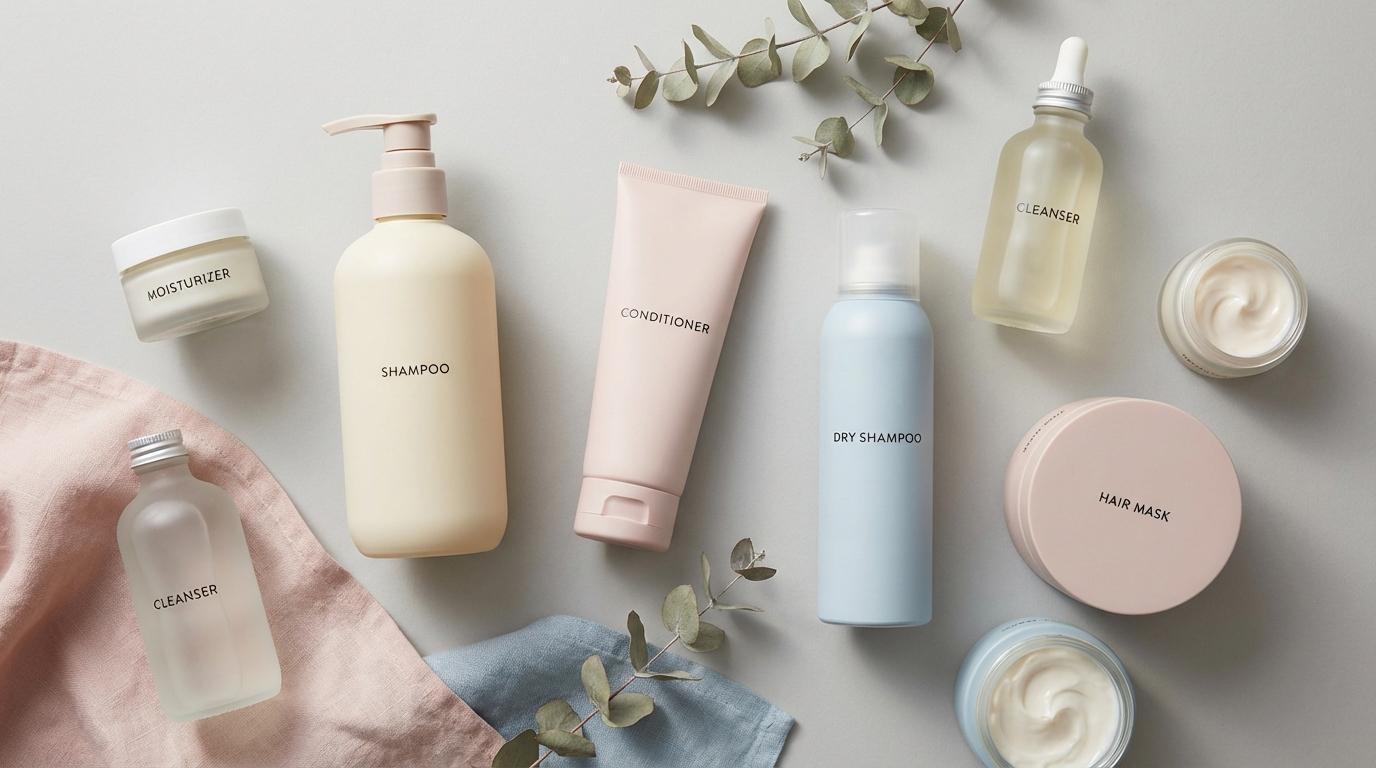
Before you go blaming your pillowcase or stress-eating those late-night snacks, I need you to take a hard look at your bathroom counter. Specifically, at your hair products. Because here’s a truth bomb that took me way too long to learn: your shampoo, conditioner, hair oil, and styling products might be the silent saboteurs behind your forehead breakouts.
What Is Pomade Acne (And Why Should You Care)?
Pomade acne is the medical term for breakouts caused by hair products. Dermatologists also call it “acne cosmetica” when it’s triggered by cosmetic products touching your skin. And it’s way more common than you’d think.
Here’s how it works: the oils, waxes, and silicones in your hair products don’t just stay in your hair like polite guests. They migrate. They travel down your forehead. They settle along your hairline. They get transferred to your pillowcase and then back onto your face while you sleep. Basically, they’re everywhere they shouldn’t be.
The telltale signs? Clusters of small, flesh-colored bumps (called papules) and whiteheads concentrated along your hairline and forehead. If your breakouts form a suspicious pattern that basically traces where your hair touches your face, you’ve probably found your culprit.
The Sneaky Ways Hair Products Reach Your Skin
You might be thinking, “But I don’t even put products near my forehead!” Yeah, I thought the same thing. Here’s how they’re getting there anyway:
The Overnight Migration
This is the big one. When you sleep, your hair moves around. A lot. Every time your hair brushes against your forehead or temples, it deposits a tiny amount of whatever product you used that day. Over 6-8 hours of sleep, that adds up. Your pillow becomes a reservoir of hair product that your face marinates in all night long.
The Sweat Factor
Working out? Sweating on a hot day? Your sweat mixes with the products in your hair and creates a pore-clogging cocktail that drips down onto your face. Those gym sessions might be great for your body but terrible for your hairline if you’re not washing your face properly afterward.
The Touch Transfer
Every time you push your hair back, tuck it behind your ear, or adjust your bangs, you’re transferring product from your hair to your hands to your face. It’s an unconscious habit most of us do dozens of times a day.
The Rinse-Off Zone
When you rinse out shampoo and conditioner in the shower, where does that product-filled water go? Right down your face and body. If you’re washing your face before your hair, you’re basically undoing all your cleansing work.
The Ingredient Watch List: What’s Clogging Your Pores
Not all hair products are created equal when it comes to acne potential. According to dermatologists, these are the main ingredients to watch out for:
High-Risk Ingredients
- Petroleum/Petrolatum: Super common in pomades and heavy styling products. Creates a thick barrier that traps everything underneath it.
- Mineral Oil: Found in tons of hair products for shine. Highly comedogenic for most people.
- Coconut Oil: I know, I know. Everyone loves coconut oil. But it’s one of the most pore-clogging oils out there, rating a 4 out of 5 on the comedogenic scale.
- Lanolin: Derived from sheep’s wool, often in conditioning products. A known acne trigger.
- Cocoa Butter: Smells amazing, clogs pores like nobody’s business.
- Silicones (Dimethicone, Cyclomethicone): They make hair silky smooth but can form a film on skin that traps bacteria and sebum.
Moderate-Risk Ingredients
- Sodium Lauryl Sulfate (SLS): Can irritate skin and disrupt its barrier, making breakouts worse.
- Heavy fragrances: Synthetic fragrances can irritate sensitive skin and trigger inflammation.
- Alcohol (in certain forms): Denatured alcohol can dry out skin, causing it to produce more oil as compensation.
The frustrating truth? The very ingredients that make your hair look shiny, smooth, and frizz-free are often the same ones causing your forehead drama.
Who’s Most at Risk?
Anyone can develop pomade acne, but some people are more susceptible:
- If you have oily or acne-prone skin: Your pores are already working overtime. Adding more oil from hair products is just asking for trouble.
- If you have curly or textured hair: These hair types often require heavier products to maintain moisture and definition. Studies show hair oil use is the most significant predictor of acne severity.
- If you wear bangs: Your hair is literally sitting on your forehead all day, depositing product directly onto your skin.
- If you use leave-in products: Unlike rinse-out products, these stay in your hair 24/7, giving them way more opportunity to migrate to your skin.
How to Fix Hairline Breakouts (Without Giving Up Hair Products)
Good news: you don’t have to choose between good hair days and clear skin. Here’s how to have both:
Switch Your Shower Order
This is the easiest fix and it costs nothing. Wash and condition your hair first, clip it up, then wash your face and body last. This way, you’re rinsing off any product residue that dripped down during your hair routine.
Create a Barrier
Before applying styling products, use a headband or clip your hair back. Apply products only to the mid-lengths and ends of your hair, not the roots. The less product near your scalp, the less can migrate to your face.
Protect Your Pillowcase
Sleep with your hair pulled back in a loose braid or wrapped in a silk scarf. This keeps your hair (and its products) away from your face. Bonus: swap to a silk or satin pillowcase, which absorbs less product than cotton and causes less friction.
Switch to Water-Based Products
Oil-based pomades and serums are the biggest offenders. Water-based alternatives wash out easier and are less likely to clog pores. They might not last as long, but your skin will thank you. Look for “water-soluble” or “water-based” on labels.
Read Your Labels
Check your hair products for “non-comedogenic” claims. While this isn’t a guarantee (hair products aren’t regulated the same way as skincare), it’s a good starting point. Avoid products with petroleum, mineral oil, and coconut oil high on the ingredient list.
Double Cleanse Your Hairline
Your forehead and hairline need the same attention as the rest of your face. When you cleanse at night, really work your cleanser into those areas where hair meets skin. An oil-based first cleanser is particularly good at breaking down the waxy, oily residue from hair products.
Post-Workout Face Wash
If you exercise with styled hair, wash your face immediately afterward. Don’t just wipe it with a towel. Use a gentle cleanser to remove the sweat and product mixture before it has time to clog your pores.
What About Hair Oils and Serums?
Hair oils are huge right now. Everyone’s using them for shine, frizz control, and that “wet look” aesthetic. But they’re also a major source of hairline breakouts.
If you love your hair oil and can’t quit it, try this: apply it only to your ends, at least 3-4 inches away from your scalp. Braid your hair or put it in a protective style before bed. And be extra diligent about cleansing your hairline morning and night.
Some lower-risk options include argan oil (less comedogenic than coconut) and lightweight hair serums that dry down completely rather than leaving a greasy film.
How Long Until My Skin Clears Up?
Here’s where you need patience. Even after you identify and eliminate the problem products, it can take 4-6 weeks for existing breakouts to clear. Your pores need time to purge the buildup and heal.
During this time, resist the urge to add a bunch of new acne treatments. The irritation from over-treating can actually make things worse. Stick to gentle cleansing, maybe a salicylic acid product a few times a week, and let your skin recover.
If you’ve made all these changes and your forehead is still breaking out after two months, it’s time to see a dermatologist. There might be other factors at play, or you might benefit from prescription treatments.
The Real Talk Summary
Your forehead breakouts might not be about your skincare routine at all. If you’re dealing with bumps and whiteheads concentrated along your hairline, your hair products are the most likely suspect. The same ingredients that give you shiny, smooth, frizz-free hair are probably migrating to your face and clogging your pores while you sleep.
The fix isn’t complicated: change your shower order, keep products away from your roots, protect your hair at night, and double cleanse your hairline. You might need to swap some products for water-based alternatives, but you don’t have to give up styling products entirely.
Your skin and your hair can coexist peacefully. It just takes a little awareness and some strategic adjustments. Now go check your bathroom counter and start reading those ingredient labels.