
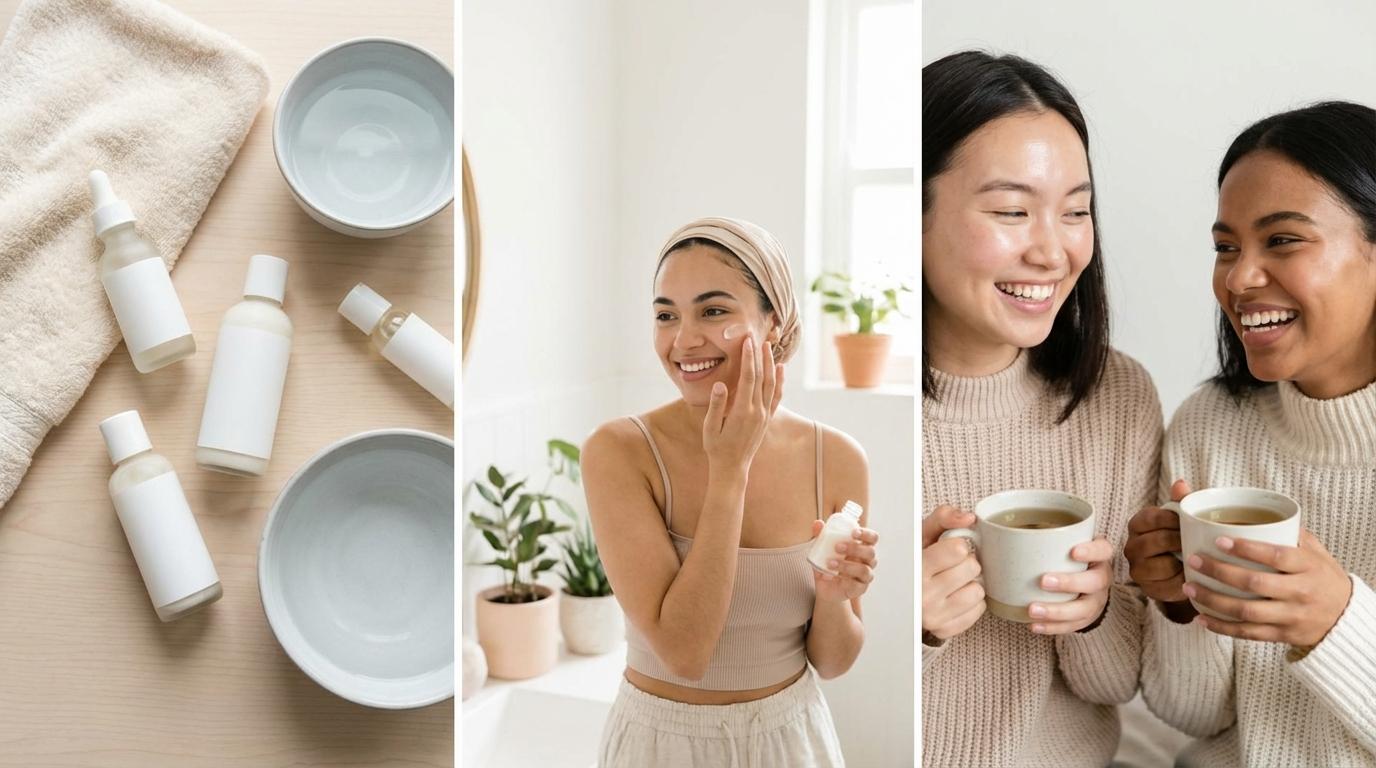
If you’re reading this while going through cancer treatment, I want you to know something first: you’re doing something incredibly hard, and how your skin looks right now matters far less than what you’re fighting through. But I also know that sometimes, in the middle of everything, having a simple routine that feels normal and soothing can be a small comfort. So let’s talk about keeping your skin as comfortable as possible during this time.
Please know that this isn’t medical advice. Your oncology team knows your specific treatment, your body, and what’s safest for you. Always check with them before adding or changing any products. What I’m sharing here are gentle guidelines that dermatologists often recommend, but your doctors have the final say.
Why Your Skin Changes During Treatment
Cancer treatments like chemotherapy, radiation, immunotherapy, and targeted therapies can dramatically change how your skin feels and behaves. According to Cancer Treatment Centers of America, these treatments target rapidly dividing cells, which unfortunately includes the healthy cells in your skin along with cancer cells.
You might experience dryness, sensitivity, redness, peeling, or itchiness. Some people notice their skin becoming more fragile than before. Chemotherapy can make you more sensitive to sunlight temporarily, while radiation can cause permanent sensitivity in the treated areas. Your nails might become brittle, and you might see changes in skin color from certain medications.
None of this is your fault, and none of it means you’re doing something wrong. It’s simply your body responding to powerful treatments that are working to heal you.
The Ultra-Gentle Approach
During treatment, your skincare routine should be stripped down to the absolute basics. This isn’t the time for active ingredients, exfoliating acids, retinoids, or anything that asks your skin to work harder. Your skin is already working overtime.
Think of your routine as three gentle steps: cleanse, moisturize, protect. That’s it. If you can only manage one thing, make it moisturizing. If you can do two, add sunscreen during the day. Everything else is optional.
Research published in the Journal of Supportive Care in Cancer found that preemptive, consistent skincare actually reduced severe skin reactions by 50% compared to only treating problems as they appeared. So starting a gentle routine early, even before you notice issues, can genuinely help.
Choosing Your Products
When you’re looking for products during treatment, these words on labels are your friends: fragrance-free, alcohol-free, hypoallergenic, and pH-balanced. The fewer ingredients, generally the better.
For cleansing, look for creamy, gentle formulas that don’t foam much. Avoid anything that makes your skin feel tight or squeaky afterward. The American Academy of Dermatology recommends using lukewarm water rather than hot, and patting (never rubbing) your skin dry with a soft towel.
For moisturizing, look for products containing ceramides, glycerin, hyaluronic acid, or shea butter. Ointments and creams work better than lotions because they’re thicker and more protective. Petroleum jelly (yes, plain old Vaseline) is actually one of the safest, most effective options for extremely sensitive or damaged skin.
Some helpful ingredients to look for: aloe vera, calendula, chamomile, and oatmeal can all be soothing. But even natural ingredients can sometimes cause reactions during treatment, so patch test anything new on a small area first.
What to Avoid Right Now
Put these products aside until your oncology team gives you the all-clear:
- Retinoids and retinol
- AHAs and BHAs (glycolic acid, salicylic acid, lactic acid)
- Vitamin C serums (the active forms can be irritating)
- Physical exfoliants and scrubs
- Products with fragrance, even “natural” essential oils
- Alcohol-based toners
- Anti-aging treatments
This isn’t forever. It’s just for now, while your skin needs maximum gentleness.
Sun Protection Becomes Essential
During treatment, protecting your skin from the sun isn’t just a good idea, it’s genuinely important. According to La Roche-Posay’s oncology skincare guidance, your skin becomes significantly more sensitive to UV damage during treatment, and this increased sensitivity can last up to a year after treatment ends.
Choose a mineral sunscreen with zinc oxide or titanium dioxide rather than chemical sunscreens. Mineral formulas sit on top of your skin and physically block UV rays, while chemical sunscreens absorb into the skin and can be more irritating. Look for SPF 30 or higher, broad-spectrum protection.
Beyond sunscreen, consider covering up with loose, soft clothing made from breathable fabrics like cotton. Wide-brimmed hats protect your face and neck. Try to limit time outdoors during peak sun hours if possible.
Radiation-Specific Care
If you’re receiving radiation therapy, your radiation oncologist will give you specific instructions for the treated area. Please follow their guidance exactly, as radiation dermatitis (skin irritation from radiation) requires particular care that may be different from general recommendations.
Memorial Sloan Kettering Cancer Center notes that the skin in radiation treatment areas may need prescription creams or specific over-the-counter products recommended by your care team. Don’t apply anything to the treatment area without checking first.
Keep the treated skin clean and dry, avoid friction from tight clothing, and definitely avoid extreme temperatures (very hot showers, heating pads, ice packs) on those areas.
Beyond Products: What Else Helps
Skincare during treatment isn’t just about what you put on your face. Staying hydrated by drinking water throughout the day helps maintain your skin’s moisture from the inside. Wearing soft, loose-fitting clothes made from natural fibers reduces irritation and rubbing.
If your skin feels dry at night, consider running a humidifier in your bedroom. Some people find that applying a thick layer of moisturizer or ointment before bed helps their skin feel more comfortable.
Be gentle with yourself. If some days you can only splash water on your face and call it done, that’s okay. Your energy is precious right now, and complicated routines aren’t necessary.
Working With Your Care Team
I want to emphasize again: your oncology team, including your oncologist and any dermatologists working with them, should be involved in your skincare decisions. Don’t hesitate to bring up skin concerns at your appointments. What seems minor to you might be something they want to monitor, or they might have specific solutions that work well with your treatment.
Research has shown that involving dermatologists in oncology care leads to better outcomes and fewer treatment interruptions due to skin problems. Many cancer centers now have dermatologists on staff specifically for this reason. Ask if this resource is available to you.
You’re More Than Your Skin Right Now
Some days your skin might look different than you’re used to. Some days it might feel uncomfortable no matter what you do. Please be patient with yourself. Your body is doing hard work, and appearances are genuinely the least important thing right now.
A simple, gentle routine can offer a moment of normalcy and self-care during a difficult time. That’s its purpose. Not perfection, not transformation, just a little comfort. You deserve that gentleness.
Take care of yourself, and let your team take care of the rest.