
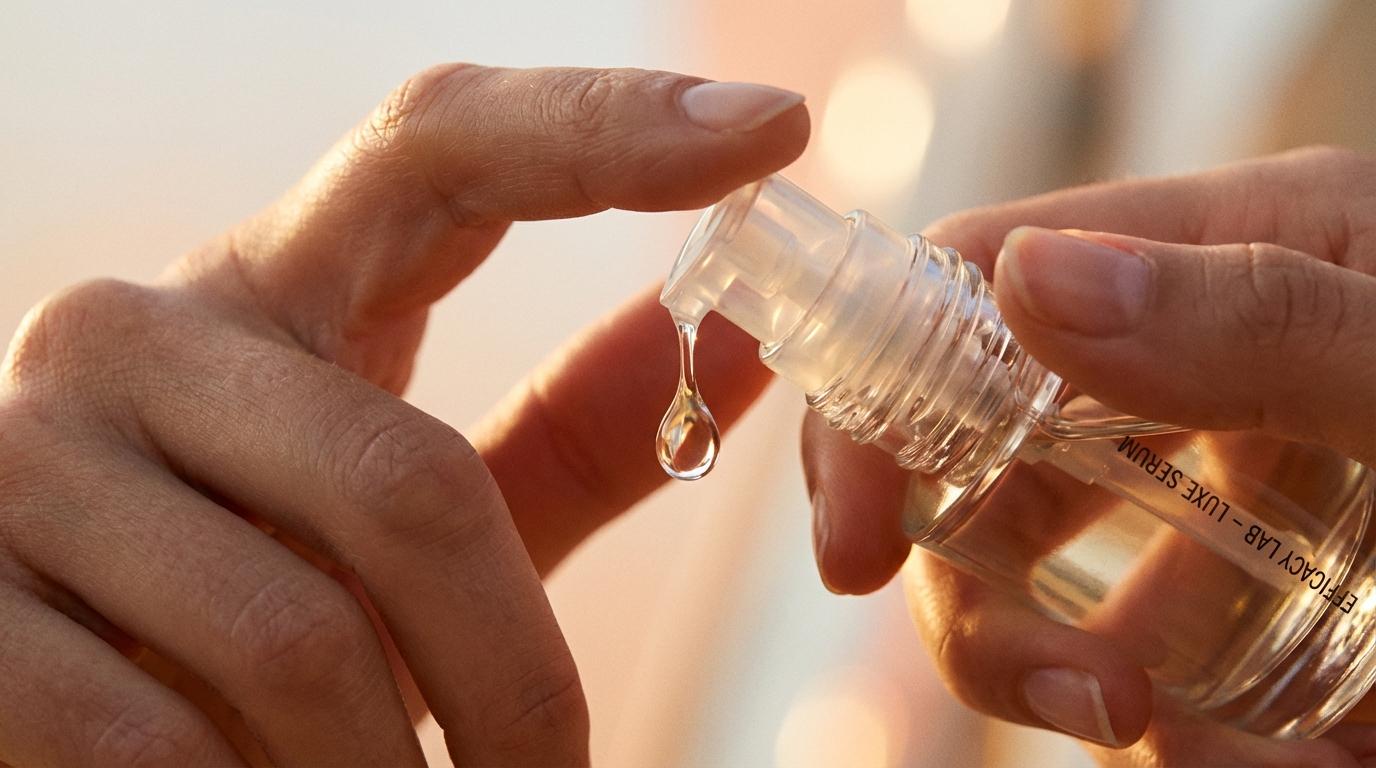
Everyone says argireline is basically Botox you can buy at the drugstore. Everyone is wrong (at least partially). The marketing around this peptide has created some truly wild expectations, and while argireline is a legitimately interesting ingredient with real research behind it, comparing it to a neurotoxin injection is like comparing a really good cup of coffee to actual medical-grade stimulants. Similar neighborhood, completely different zip code.
But here’s the thing: argireline still deserves your attention, just not for the reasons those clickbait headlines suggest. Understanding what this peptide actually does (and doesn’t do) can help you decide whether it belongs in your routine without setting yourself up for disappointment or, worse, wasting money on something that won’t address your actual concerns.
The Science Part (I Promise to Keep It Brief)
Argireline’s full name is acetyl hexapeptide-3, which sounds like something from a sci-fi movie but is actually just a chain of six amino acids. Peptides are basically tiny protein fragments, and different peptides do different things for your skin. Some signal collagen production, some help with wound healing, and argireline? It works on the muscle-nerve connection.
When you make facial expressions (squinting, frowning, raising your eyebrows like you just heard some absolutely unhinged gossip), your brain sends signals to your facial muscles via something called a SNARE complex. Argireline partially inhibits this signal transmission, which means the muscle contraction is slightly weaker. Less intense muscle movement theoretically equals less intense wrinkle formation over time.
Now, this is where the Botox comparison comes from. Botulinum toxin (Botox) also affects muscle contraction by interfering with the neuromuscular junction. But Botox literally paralyzes the muscle. Argireline just… gently suggests the muscle might want to calm down a bit. It’s the difference between someone tackling you to the ground versus someone putting a hand on your shoulder and saying “hey, maybe don’t run so fast.”
What the Research Actually Shows
There are studies on argireline. Real ones. Not just manufacturer-funded “research” that conveniently shows their product is amazing (though those exist too). The legitimate research shows that argireline, at concentrations around 10%, can reduce wrinkle depth by approximately 30% over a period of about 30 days.
That’s… actually not nothing? Like, 30% reduction is noticeable. But it’s also not the “erases your forehead lines completely” miracle that some brands promise. And there are caveats (there are always caveats).
First, most products contain way less than 10% argireline. If you’re using a serum with 0.001% argireline alongside seventeen other trendy ingredients, you’re probably not going to see those study results. Second, the effects are temporary. Unlike Botox, which lasts several months even after you stop getting injections, argireline’s effects diminish when you stop using it. Third, it works best on expression lines (the ones that form when you move your face) and less well on static lines (the ones that exist even when your face is relaxed).
If you want to understand more about how peptides in general work on aging skin, the breakdown of Matrixyl and its research gives good context for comparing different peptide approaches.
Your First Month: Managing Expectations
Okay, so you’ve decided to try argireline. What should you actually expect in those first weeks? (Spoiler: not a complete face transformation, but also not nothing.)
Week one to two: Basically nothing visible. Your skin is absorbing the product, the argireline is doing its thing at the cellular level, but you’re not going to see changes yet. This is the phase where most people decide the product doesn’t work and abandon it. Don’t be those people (unless you’re having a reaction, in which case absolutely be those people and stop using it).
Week three to four: This is when subtle changes might start appearing. Your expression lines might look slightly less pronounced when you make facial movements. Emphasis on “might” and “slightly.” If you’re taking before photos (which you should, because our brains are terrible at remembering what our faces looked like a month ago), you might notice minor differences in wrinkle depth.
The key word throughout all of this is “subtle.” If you’re expecting to look like you got work done, you will be disappointed. If you’re expecting your forehead to stop existing entirely, you will be very disappointed. But if you’re expecting modest improvement in expression lines with consistent use? That’s a reasonable expectation.
When Peptides Actually Help
Peptides like argireline aren’t for everyone, and being honest about who benefits most will save some of you time and money. Let me break down who should actually consider this ingredient.
The prevention crowd (hi, early-to-mid twenties people who are worried about getting wrinkles eventually) might see the most benefit. Using argireline before deep lines are established can help slow their formation. Think of it like starting to save money before you need it versus scrambling to save when you’re already in debt. Easier to maintain than to fix.
People with mild expression lines (those forehead creases that show up when you’re surprised, the crow’s feet that appear when you smile) are good candidates. Argireline can make these less pronounced, softening the overall appearance without eliminating natural facial movement.
Those who want “something” but aren’t ready for injectables also fit the profile. Maybe needles freak you out (valid). Maybe you’re not sure you want to commit to Botox yet (also valid). Maybe you just want to try the topical route first before considering anything more intensive. Argireline can be that middle ground.
When Peptides Won’t Save You
Equally important: knowing when argireline isn’t the answer.
Deep, established wrinkles that exist even when your face is completely relaxed aren’t going to respond significantly to argireline. These static lines have structural causes (collagen loss, skin laxity) that a peptide affecting muscle contraction can’t address. For these, you’re looking at retinoids, professional treatments, or yes, actual Botox.
Sun damage-related aging is also outside argireline’s wheelhouse. If your skin concerns are more about texture, dark spots, and that general “my skin looks tired and old” vibe, you need different ingredients. Vitamin C, retinol, and AHAs are going to be more useful. Understanding what retinol actually does to your skin might point you in a more helpful direction.
General skin sagging and loss of firmness? Argireline can’t tighten loose skin. It works on muscle-related wrinkles, not on skin that’s lost its structural integrity. For that, you’re looking at peptides that boost collagen production, or professional treatments like radiofrequency or ultrasound.
How to Actually Use This Stuff
If you’ve decided argireline is worth trying, here’s how to incorporate it without wasting your time or money.
Look for products with adequate concentrations. This is tricky because most brands don’t list percentages, but products where argireline is high on the ingredient list (ideally within the first five to seven ingredients) are more likely to contain effective amounts. Products marketed specifically around argireline (rather than products where it’s one of twenty featured ingredients) tend to contain higher concentrations.
Apply to specific areas, not your whole face. You’re targeting expression lines, so forehead, around the eyes, and between the brows are the key zones. Slathering it all over your cheeks is just wasting product on areas where it won’t do anything particularly useful.
Consistency matters more than quantity. A thin layer applied every single day will outperform a thick layer applied whenever you remember. Set a reminder if you have to. Put the product next to your toothbrush. Whatever works to make it a non-negotiable part of your routine.
Give it time. I know I already said this, but it bears repeating: one month minimum before you evaluate results. Two to three months is even better for seeing the full potential. If you bail after two weeks, you haven’t given the ingredient a fair shot.
The Combination Question
Can you use argireline with other actives? Mostly yes, with some considerations.
Argireline plays well with most skincare ingredients. It’s not particularly sensitive to pH, doesn’t cause photosensitivity, and doesn’t react badly with common actives. You can use it alongside vitamin C, niacinamide, hyaluronic acid, and most other serums without issue.
Retinoids and argireline can be used in the same routine, though some people prefer to use them at different times (argireline in the morning, retinoid at night) to avoid layering too many actives at once. This isn’t because they conflict chemically, but because both are “active” ingredients and your skin can only absorb so much at once.
Combining argireline with other peptides makes sense from a “target multiple aging concerns” perspective. Pairing it with collagen-boosting peptides like Matrixyl means you’re addressing both expression lines (argireline) and structural collagen loss (Matrixyl). Many anti-aging serums already combine multiple peptides for this reason.
Product Reality Check
The argireline market is absolutely wild with claims. Let me give you some guidance on navigating the options without getting sucked into marketing nonsense.
Expensive doesn’t mean better. Argireline itself isn’t a particularly costly raw ingredient, so a $100 serum isn’t necessarily more effective than a $25 one. What you’re paying for with luxury brands is usually packaging, brand name, and fancy additional ingredients that may or may not add value.
The Ordinary has an Argireline Solution at a very accessible price point that’s frequently recommended. It’s straightforward (argireline in a simple serum base) and actually contains an effective concentration. No frills, but it works.
Watch out for “contains argireline” claims that include tiny amounts. If argireline is listed near the end of the ingredient list, after the fragrance and preservatives, you’re getting a negligible amount that’s there for marketing rather than efficacy. Brands know “contains argireline” sells products, even if that amount won’t do anything.
For those building an anti-aging routine on a budget, checking out budget skincare that delivers might help you find effective options without spending excessively.
The Honest Bottom Line
Argireline is a legitimately interesting ingredient with actual science behind it. It can modestly reduce the appearance of expression lines with consistent use over time. It is not Botox in a bottle, it will not dramatically transform your face, and it has limitations that make it unsuitable for certain types of aging concerns.
Is it worth trying? For the right person with the right expectations, absolutely. If you have early or mild expression lines, want to take a preventive approach, or aren’t ready for injectables, argireline offers a reasonable topical option. The key is approaching it with realistic expectations rather than believing marketing hype.
If you’re expecting miracles, you’ll be disappointed. If you’re expecting subtle improvement in exchange for daily consistency, you’ll probably be satisfied. That’s the honest truth about argireline, stripped of all the “Botox in a bottle” nonsense that makes this ingredient sound more powerful than it actually is.
At the end of the day, the best anti-aging ingredient is the one you’ll actually use consistently. If argireline fits into your routine and your budget, and you have the patience to give it a fair trial, it’s worth a shot. Just maybe skip the products that promise you’ll look ten years younger in two weeks. That’s not how any of this works (and if anyone tells you otherwise, they’re trying to sell you something).