
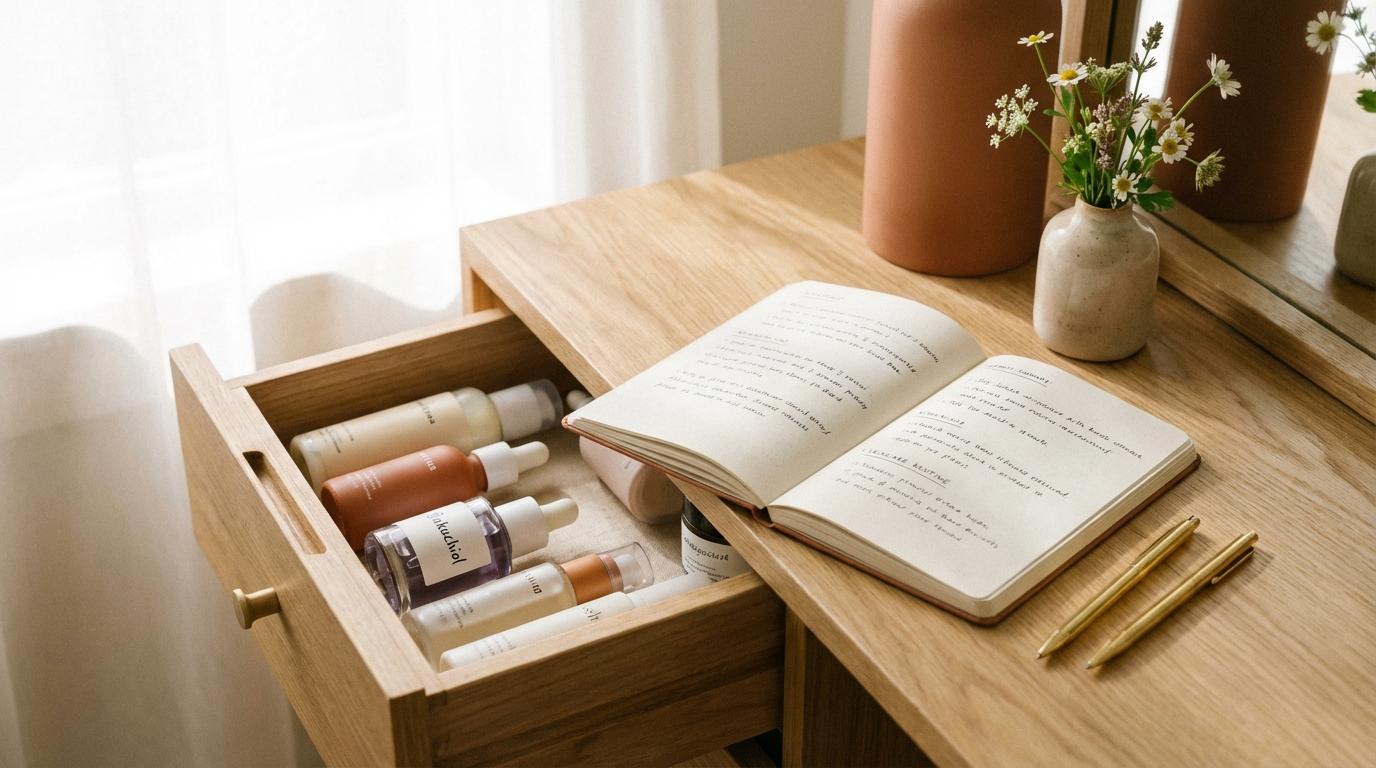
Like a gentle friend who shows up with tea instead of tequila, bakuchiol offers the skin benefits many of us are chasing without the harsh side effects we have come to dread. If you have been curious about this botanical ingredient that keeps popping up in skincare conversations, you are not alone. The retinol alternative discussion has reached a fever pitch, and it is time to sort through what the research actually tells us.
What Exactly Is Bakuchiol?
Bakuchiol (pronounced buh-KOO-chee-all) comes from the seeds and leaves of the Psoralea corylifolia plant, commonly known as babchi. This plant has been used in Ayurvedic and Chinese medicine for centuries, though its skincare applications are relatively new to the Western world.
What makes bakuchiol interesting is that it is functionally similar to retinol in how it affects skin cells, but it has a completely different chemical structure. It is not a retinoid at all. Think of it this way: both paths lead to similar destinations, but the journey itself is quite different.
What the Research Actually Says
Let us get into the science, because this is where things get genuinely interesting. The most frequently cited study on bakuchiol was published in the British Journal of Dermatology in 2019. Researchers conducted a 12-week double-blind study comparing 0.5% bakuchiol applied twice daily to 0.5% retinol applied once daily.
The results? Both groups showed significant improvement in fine lines, wrinkles, pigmentation, and overall photodamage. The researchers noted that bakuchiol and retinol were statistically similar in their effectiveness for these concerns.
Here is where it gets more nuanced. The bakuchiol group experienced significantly less scaling and stinging compared to the retinol group. For anyone who has suffered through the notorious retinol adjustment period, this is meaningful information.
Additional research published in the International Journal of Cosmetic Science found that bakuchiol has antioxidant, anti-inflammatory, and antibacterial properties. These additional benefits set it apart from retinol, which primarily works by increasing cell turnover.
However, I want to be transparent with you. The body of research on bakuchiol is still much smaller than what we have for retinol, which has been studied extensively for decades. More long-term studies would help us understand how bakuchiol performs over years of use, not just weeks.
How Bakuchiol Compares in Effectiveness
Let me break this down in a practical way, because effectiveness depends entirely on what you are trying to achieve.
For Fine Lines and Wrinkles
Based on current research, bakuchiol appears to be comparable to retinol for mild to moderate fine lines. Both stimulate collagen production, though they do so through different mechanisms. Retinol binds to specific receptors in your skin cells (retinoid receptors), while bakuchiol appears to influence gene expression related to collagen without using those same receptors.
If you are looking for serious anti-aging intervention for deep wrinkles, the decades of research supporting prescription retinoids like tretinoin still make them the gold standard. Bakuchiol is gentler, which means it may also be less potent for severe concerns.
For Uneven Skin Tone and Hyperpigmentation
Both ingredients show promise here. The 2019 study found similar improvements in pigmentation between the two groups. Bakuchiol may actually have a slight edge because it does not cause the photosensitivity that retinol can trigger, meaning you might experience fewer complications when addressing sun-related pigmentation issues.
For Acne
This is interesting territory. Retinol has been a cornerstone of acne treatment for years because it helps regulate oil production and keeps pores clear. Bakuchiol has not been studied as extensively for acne, but its antibacterial and anti-inflammatory properties suggest it could be helpful, particularly for inflammatory acne.
For those with sensitive, acne-prone skin who cannot tolerate retinol, bakuchiol might offer a middle path. Just know that we do not yet have the same level of evidence for acne specifically.
For Overall Skin Health
Bakuchiol brings something extra to the table: antioxidant protection. While retinol focuses primarily on cellular turnover and collagen stimulation, bakuchiol also helps protect skin from environmental damage. This is a genuine advantage, especially if you are taking a minimalist approach and want your products to multitask.
When to Choose Bakuchiol Instead
After sorting through the research and observing real-world results, here are the situations where bakuchiol makes more sense than retinol:
If Your Skin Is Sensitive or Reactive
This is bakuchiol’s time to shine. If you have tried retinol multiple times and consistently experienced irritation, peeling, or redness that never seemed to resolve, bakuchiol offers a gentler alternative. Some skin simply does not tolerate retinoids well, and that is okay. Those with conditions like eczema may find bakuchiol fits better into their routines without triggering flare-ups.
If You Are Pregnant or Breastfeeding
Retinoids are not recommended during pregnancy due to potential risks to fetal development. While you should always consult your healthcare provider, bakuchiol does not carry the same warnings. For those who want to maintain their skincare routine during pregnancy, bakuchiol can be a reasonable option to discuss with your doctor.
If You Want a Simpler Routine
Retinol requires some strategic thinking: you need to introduce it slowly, avoid certain ingredients like vitamin C (according to some dermatologists, though this is debated), be extra vigilant about sunscreen, and sometimes take rest days for your skin when irritation flares up.
Bakuchiol is far less demanding. You can use it twice daily, pair it with most other ingredients without concern, and skip the complicated introduction period. For those of us who prefer skincare to be straightforward, this simplicity is genuinely appealing.
If Sun Exposure Is Part of Your Lifestyle
Retinol increases photosensitivity, making your skin more vulnerable to sun damage. If you spend significant time outdoors, live in a sunny climate, or simply struggle to reapply sunscreen throughout the day, bakuchiol may be the safer choice. It does not cause the same photosensitivity issues.
If You Are New to Active Ingredients
Starting with bakuchiol can be a gentle introduction to results-driven skincare. You can build your tolerance and confidence without the sometimes discouraging retinol adjustment period. Later, if you want to explore retinol, you will have a better understanding of your skin.
When to Stick with Retinol
Balance is important, so let me also share when retinol remains the better choice:
- For significant anti-aging concerns: If you are addressing deeper wrinkles or substantial sun damage, prescription retinoids still have the strongest evidence base.
- If you tolerate it well: Some people have no trouble with retinol. If it works for you without irritation, there is no compelling reason to switch.
- For stubborn acne: The extensive research on retinoids for acne makes them a more proven choice for persistent breakouts.
How to Use Bakuchiol Effectively
If you decide bakuchiol is right for you, here is how to incorporate it thoughtfully:
Concentration matters: Look for products with at least 0.5% bakuchiol, as this is the concentration used in clinical studies. Many products combine bakuchiol with other supportive ingredients like squalane or hyaluronic acid, which is perfectly fine.
Timing is flexible: Unlike retinol, which is typically used at night, bakuchiol can be applied morning or evening. You can even use it twice daily if your skin responds well. The lack of photosensitivity means morning use is not problematic.
Layering is simple: Bakuchiol plays well with most ingredients. You can use it alongside niacinamide, vitamin C, hyaluronic acid, or AHAs without worrying about interactions. This flexibility makes it ideal for those who prefer an uncomplicated routine.
Give it time: Like any skincare ingredient, bakuchiol needs consistent use to show results. Expect to use it for 8 to 12 weeks before evaluating its effectiveness for your skin.
The Honest Bottom Line
Can bakuchiol really replace retinol? The answer is: it depends on what you need and what your skin can handle.
For those seeking a gentler path to similar benefits, bakuchiol is a legitimate option supported by emerging research. It is not merely marketing hype. The studies we have are promising, and the real-world experiences of many people back up those findings.
However, calling it a complete replacement for retinol oversimplifies things. Retinol, and especially prescription retinoids, have a deeper evidence base and may be more effective for significant skin concerns. They remain valuable tools.
What bakuchiol offers is choice. It expands your options, particularly if retinol has not worked for your skin or does not fit your lifestyle. In a world that often insists there is only one right answer, having alternatives feels refreshing.
As with most things in skincare, the best ingredient is the one you will actually use consistently without damaging your skin in the process. Sometimes the gentler path gets you where you want to go just as effectively, and with far less struggle along the way.