
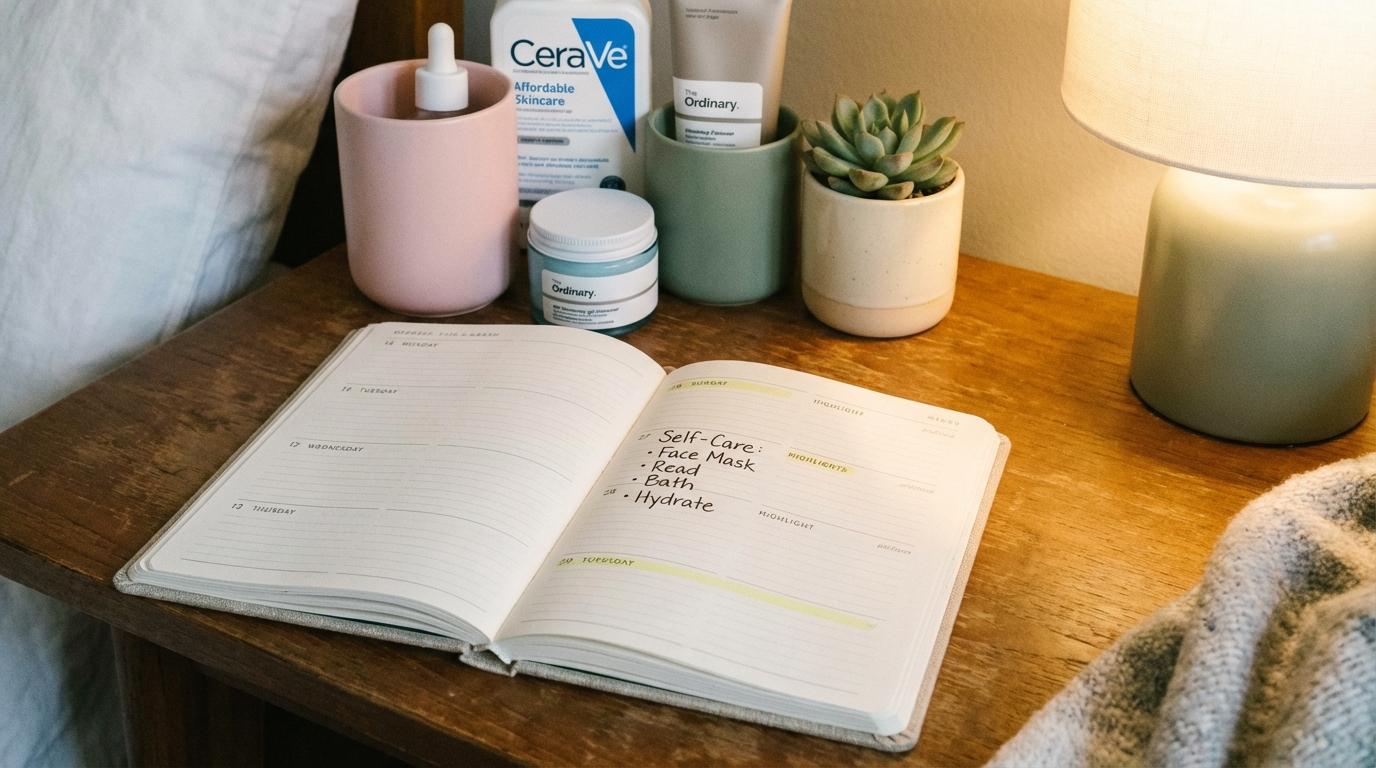
Combination skin is annoying. Your T-zone gets oily by noon while your cheeks feel tight and dry. Finding products that work for both situations without spending a fortune? Doable, but it requires knowing what actually matters.
Gel-Cream Moisturizers Are Your Friend
Forget choosing between thick creams and water-light gels. Gel-creams exist specifically for skin that can’t decide what it needs. They hydrate without sitting heavy on oily areas, and they’re typically more affordable than separate products for different zones.
Neutrogena Hydro Boost is the obvious choice here. Under $20, water-based, hyaluronic acid formula that absorbs fast. CeraVe PM is another solid option with ceramides and niacinamide. Both work on oily and dry patches without causing problems.
Apply a thin layer everywhere, then add a second layer only on dry areas like cheeks or around the nose if needed. This layering approach costs nothing extra and customizes coverage.
The Zone Treatment Approach
Treating your whole face the same way when different areas have different problems makes no sense. Your forehead doesn’t need what your cheeks need.
For oily T-zone: Use a salicylic acid product (Paula’s Choice BHA is worth the price, but The Ordinary’s Salicylic Acid 2% Solution works for less) only on forehead, nose, and chin. This clears pores without drying out areas that don’t need it.
For dry cheeks: Skip harsh actives here entirely. Focus on hydration with a basic hyaluronic acid serum. The Ordinary Hyaluronic Acid 2% + B5 costs around $8 and does exactly what you need.
This targeted approach means buying smaller amounts of specific products instead of one expensive “balancing” product that doesn’t really balance anything.
Cleansing Without Making Things Worse
Here’s where most people mess up. They see oil and reach for harsh cleansers that strip everything. Your skin overcompensates by producing more oil. The dry areas get drier. Everyone loses.
A gentle gel cleanser handles combination skin better than anything marketed as “oil control.” La Roche-Posay Toleriane works, but so does Vanicream Gentle Facial Cleanser for half the price. Clean your face without waging war on it.
If you wear makeup or sunscreen, double cleanse at night. Start with a basic oil or balm cleanser, then follow with your gel cleanser. This removes everything without scrubbing.
Affordable Products That Actually Balance
Niacinamide regulates oil production while supporting hydration. The Ordinary Niacinamide 10% + Zinc 1% costs under $6 and does both. Use it after cleansing, before moisturizer, on your entire face.
For a toner, Thayers Witch Hazel (alcohol-free version only) or The Ordinary Glycolic Acid Toning Solution work well. The glycolic helps with texture everywhere, while witch hazel can be used just on oily areas for light astringent effects.
Sheet masks from brands like Innisfree or Tony Moly give targeted hydration when your dry areas need extra help. At $2-3 each, using one weekly on dry patches beats buying expensive hydrating serums you don’t need everywhere.
What to Avoid
Mattifying primers and products designed to control oil all day. They usually contain ingredients that clog pores or cause dryness elsewhere. Your skin isn’t meant to be matte 24/7.
Heavy “anti-aging” creams on your oily zones. These are formulated for dry, mature skin and will sit on top of oily areas causing congestion. If you want anti-aging benefits, use a lightweight retinol product instead.
Scrubs with walnut shells or harsh physical particles. These create micro-tears, irritate skin, and don’t discriminate between oily and dry areas. Chemical exfoliation is gentler and more effective.
Alcohol-based toners. They feel satisfying on oily skin temporarily but damage your barrier everywhere, including dry patches that really can’t afford it.
Sunscreen for Combo Skin
Most sunscreens feel greasy, which makes oily zones worse. Look for gel or fluid formulas instead of creams. La Roche-Posay Anthelios fluid works but costs more. Budget alternative: Australian Gold Botanical Tinted SPF 50, which is mineral-based and mattifying without being drying.
Apply sunscreen as the last step of your morning routine, over moisturizer. If your T-zone gets shiny by afternoon, blot with paper, don’t add powder that can clog pores.
Building Your Routine
Morning: Gentle cleanser, niacinamide serum, gel-cream moisturizer (extra layer on dry areas), sunscreen.
Night: Double cleanse if wearing makeup, gel cleanser, actives by zone (BHA on T-zone if needed), hyaluronic serum on dry areas, gel-cream moisturizer.
Total cost for a complete routine using the products mentioned: around $50-70. Compare that to buying one “balancing” luxury cream for $80 that probably won’t work as well as treating each zone appropriately.
When to Adjust
Combination skin isn’t static. It shifts with seasons, hormones, and stress. Summer might mean more oil everywhere. Winter might turn your cheeks genuinely dry while your T-zone stays oily. Pay attention and adjust your zone treatments accordingly instead of switching entire routines.
The goal isn’t perfect balance. It’s managing both situations without spending money on products that promise to do it all. Your skin has different needs in different areas. Treat them differently.