
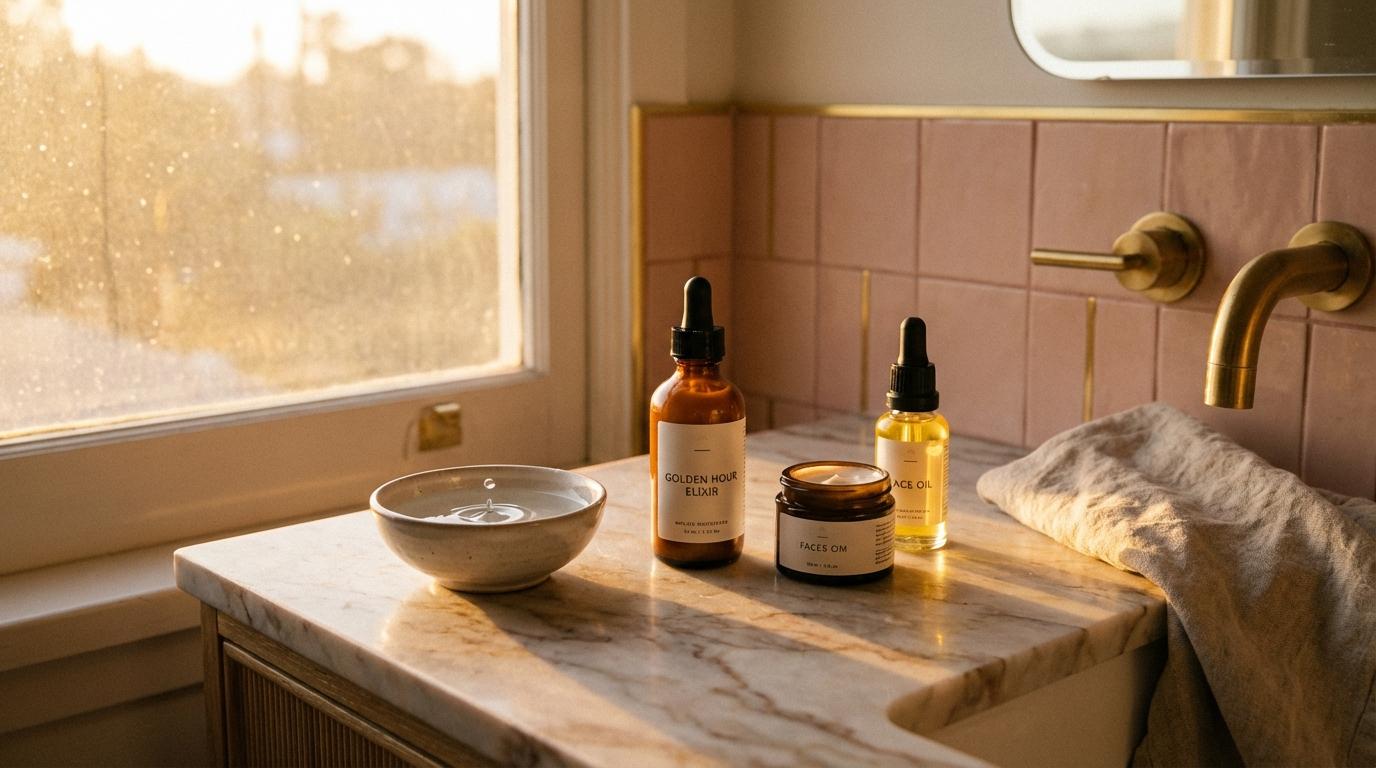
I used to think my moisturizer just wasn’t good enough, so I kept buying new ones. Turns out I was applying it completely wrong the whole time.
After wasting money on maybe a dozen different creams and lotions, I finally learned that how you use a moisturizer matters just as much as what you buy. The difference between dry, flaky skin and actually hydrated skin often comes down to technique, not price tags. And when you’re working with a tight budget like I am, getting more out of less becomes essential.
These are the tricks that completely changed how well my moisturizer performs. Most of them cost nothing extra, which is exactly the kind of skincare hack I can get behind.
Apply to Damp Skin, Not Dry
This single change made the biggest difference for me. Instead of waiting until my face was completely dry after washing, I started putting moisturizer on while my skin was still slightly damp. The results were immediate.
The science behind this is pretty straightforward. Damp skin absorbs products better, and when you apply moisturizer over that thin layer of water, you’re essentially trapping extra hydration underneath. Dry skin creates a barrier that makes it harder for products to penetrate. Wet skin is more permeable.
I’m not talking about soaking wet, dripping face. Just that slightly tacky, just-patted-with-a-towel feeling. If you wait more than about 30 seconds after washing, you’ve probably waited too long. I literally keep my moisturizer next to my sink now so I don’t forget.
This works for basically any moisturizer, whether it’s a gel, a cream, or a lotion. The texture doesn’t matter. Damp application helps all of them perform better.
Layer Thin Products Underneath
If your moisturizer isn’t enough on its own, you don’t necessarily need a richer one. Sometimes the answer is layering something lightweight underneath it first.
Hyaluronic acid serums are cheap and work great for this. Apply a few drops to damp skin, let it sink in for maybe 10 seconds, then add your moisturizer on top. The hyaluronic acid pulls moisture into your skin, and the moisturizer seals it there. You get more hydration without buying a whole new product.
Glycerin-based toners or essences work the same way. Even just spraying plain water or a hydrating mist before your moisturizer adds a bit more moisture to lock in. I’ve done this with a cheap rose water spray from the grocery store and it genuinely helps on extra dry days.
The layering order matters though. Thinnest to thickest, always. Watery products go first, then serums, then your moisturizer. If you put moisturizer on first, the other products can’t get through.
Use Your Hands to Warm It Up
Cold product straight from the jar doesn’t spread or absorb as well as product that’s been warmed up a little. Before applying, I put a pea-sized amount on my fingertips and rub my hands together for a few seconds. This softens the moisturizer and helps it glide on more evenly.
This matters more for thicker creams than lightweight lotions, but it helps across the board. Warmed product also feels nicer going on, which is a bonus when you’re doing your routine at 6 AM and everything feels like a chore.
Some people warm their whole face first with their hands before applying anything. Just press your palms against your cheeks and forehead for a few seconds. I do this sometimes when my skin feels especially tight or stressed. It helps products absorb better and honestly just feels kind of nice.
Press and Pat Instead of Rubbing
For years I rubbed moisturizer into my skin like I was trying to scrub something off. Turns out that’s not ideal. Pressing and patting helps the product absorb without pulling on your skin.
After spreading the moisturizer across my face, I use my palms to gently press it in. Then I pat with my fingertips around my eyes and other delicate areas. This takes maybe an extra 10 seconds but the product seems to sink in better than when I was just rubbing aggressively.
Rubbing can also cause irritation if you’re too rough, especially around your eyes or if your skin is already sensitive. The pressing motion is gentler and lets the moisturizer actually sit where it needs to instead of getting dragged all over.
Mix With Other Products Strategically
You can customize your moisturizer by mixing things into it. This is great when you want to change what your moisturizer does without buying a whole new one.
A drop of facial oil mixed into your moisturizer makes it richer for winter or dry days. I use whatever oil I have around, usually rosehip or squalane. Just mix them in your palm, not in the jar, and apply as usual. This trick has saved me from buying separate heavy-duty winter moisturizers.
You can add a drop of vitamin C serum to your morning moisturizer if you’re too lazy for extra steps. Same with niacinamide. The concentration gets diluted a bit, but you’re still getting some benefit. It’s not as effective as layering properly, but it’s better than skipping those ingredients entirely.
One thing to avoid: mixing active acids like glycolic or salicylic into your moisturizer. These need to stay at the right pH to work, and mixing them can mess that up. Keep those separate.
Don’t Skip Your Neck and Chest
Whatever moisturizer is left on my hands after my face goes straight down to my neck and chest. These areas age just as much as your face but most people ignore them. The skin there is thin and shows neglect quickly.
You don’t need a separate neck cream. That’s often just regular moisturizer in different packaging with a higher price tag. Your face moisturizer works fine. Just extend your routine down past your jawline.
If you’re trying to save money on skincare, this is a no-cost way to take care of more skin without buying extra products.
Apply Twice on Super Dry Days
When my skin is especially dry, usually in winter or after a long flight, I apply a thin layer of moisturizer, wait a minute for it to absorb, then apply another thin layer. Two thin layers often work better than one thick glob.
The first layer hydrates and preps your skin. The second layer adds more moisture and better seals everything in. It sounds like it would feel heavy or greasy, but thin layers absorb well enough that it doesn’t.
This uses more product obviously, but on really bad skin days, it’s worth it. I’d rather go through my moisturizer a bit faster than walk around with tight, flaky skin. And if you’re using a budget moisturizer, going through it faster isn’t a huge deal anyway.
Consider When You Apply
Timing affects how well your moisturizer works. Applying right after a shower when your bathroom is still steamy and humid gives better absorption than applying in a cold, dry bedroom. The moisture in the air helps.
At night, applying moisturizer as the last step in your routine, after all your serums and treatments have absorbed, creates a seal that keeps everything working overnight. Some people put on an extra layer right before bed so their skin has more to work with while they sleep.
In the morning, let your moisturizer fully absorb before applying sunscreen or makeup. About two minutes is usually enough. If you rush this, products can pill or your sunscreen might not spread evenly.
Getting More From What You Have
These techniques work with any moisturizer at any price point. A basic drugstore cream applied correctly can outperform an expensive luxury product slapped on dry skin carelessly.
The goal isn’t to keep buying new things hoping the next one will finally work. The goal is to use what you have in a way that actually delivers results. Once you nail the technique, you can focus on finding affordable products that work well enough, without feeling like you need to spend more for better results.
My current moisturizer cost under $10 and works great because I apply it right. That’s the kind of budget beauty win that actually sticks.