
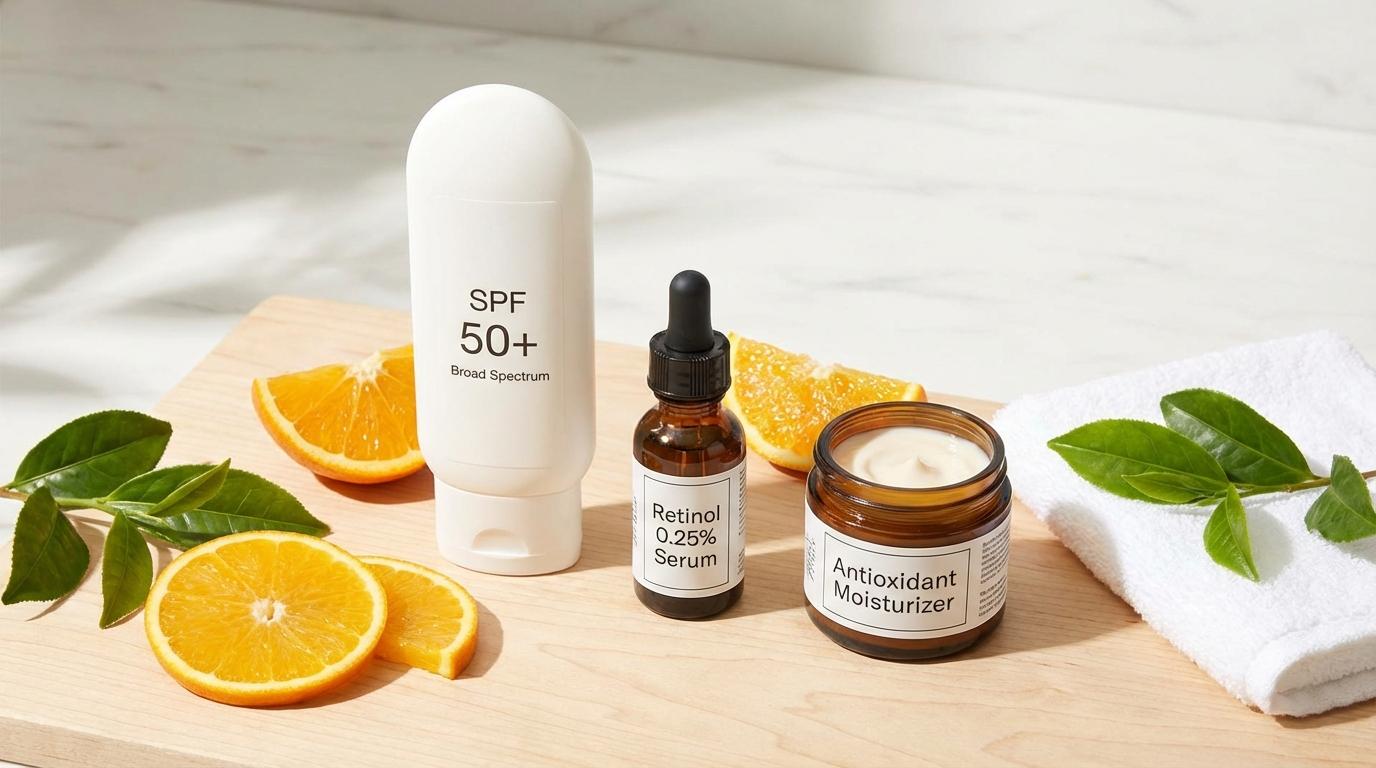
I used to think anti-aging was something you worried about later. You know, when fine lines actually showed up. But here’s the thing: the best anti-aging routine isn’t about reversing damage. It’s about protecting what you already have.
Your 20s are the perfect time to build habits that support your skin for decades. And the good news? It doesn’t require a complicated 12-step routine or expensive serums. A few intentional choices now can make a real difference.
Prevention is the Whole Point
Most visible signs of aging come from external factors, not your birthday candles. Sun exposure, pollution, stress, and lack of sleep all contribute to how your skin ages. The earlier you address these, the less you’ll need to correct later.
Think of it like maintaining a car. Regular oil changes cost a lot less than a new engine. Your skin works the same way. Gentle, consistent care now prevents expensive interventions down the road.
This doesn’t mean you need to be paranoid or treat your skin like it’s fragile. It just means making smart choices part of your daily life.
Sunscreen: Your Most Important Anti-Aging Product
I know you’ve heard this before. But I’m going to say it again because it’s that important. Sunscreen is the single most effective anti-aging product you can use. Full stop.
UV rays cause up to 90% of visible skin aging. Those fine lines, dark spots, and loss of firmness that people associate with getting older? Most of that comes from sun damage accumulated over years.
The formula matters less than you think. What matters is using it every single day, even when it’s cloudy, even when you’re mostly indoors. A consistent SPF 30 you actually wear beats an SPF 50 that sits in your drawer.
Find one you enjoy wearing. Something that works under makeup (or alone). Something that doesn’t leave a white cast or feel greasy. When you like your sunscreen, you’ll actually use it.
When to Start Retinol
Retinol is probably the most researched anti-aging ingredient out there. It boosts collagen production, speeds up cell turnover, and helps with texture and tone. But you don’t need to rush into it.
Most dermatologists suggest mid-to-late 20s as a reasonable time to introduce retinol. If you’re dealing with acne or texture concerns, you might start a bit earlier. If your skin is calm and happy, there’s no urgency.
When you do start, go slow:
- Begin with a low concentration (0.25% or 0.3%)
- Use it once or twice a week at first
- Apply to dry skin after cleansing
- Always follow with moisturizer
- Never skip sunscreen the next morning
Your skin needs time to adjust. Redness and peeling are common at first but should calm down within a few weeks. If irritation persists, scale back or try a gentler formula.
Antioxidants for Daily Protection
While sunscreen blocks UV rays, antioxidants help neutralize the free radicals that sneak through. Think of them as your second line of defense.
Vitamin C is the most popular choice, and for good reason. It brightens, supports collagen, and pairs beautifully with sunscreen. Apply it in the morning before your SPF.
Other antioxidants worth knowing:
- Vitamin E (often paired with C for enhanced protection)
- Niacinamide (calming and brightening)
- Green tea extract (soothing and protective)
You don’t need all of them. Pick one that works with your routine and stick with it. Consistency matters more than having every trendy ingredient.
Keeping It Simple
Here’s what a basic preventative routine looks like:
Morning:
- Gentle cleanser
- Antioxidant serum (optional but helpful)
- Moisturizer
- Sunscreen SPF 30+
Evening:
- Cleanser
- Retinol (a few nights a week, if using)
- Moisturizer
That’s it. Four to five products. Nothing complicated. You can add more if you want, but you don’t have to. Simple routines you actually follow beat elaborate ones you abandon after a week.
Your 20s skin is resilient. It bounces back quickly and heals fast. Take advantage of that by building habits now that will serve you for years. Future you will be grateful you started early.