
Have you ever wondered why your skin can’t just stay hydrated on its own without you slathering seventeen products on it? The answer involves these little lipid molecules called ceramides, and honestly, understanding them changed how I think about moisturizing entirely.
Ceramides are kind of the unsung heroes of skincare. They don’t get the same hype as retinol or vitamin C, but they’re literally holding your skin together right now as you read this. Without them, your skin would be a flaky, irritated mess (some of us know this feeling too well).
What Ceramides Actually Do in Your Skin
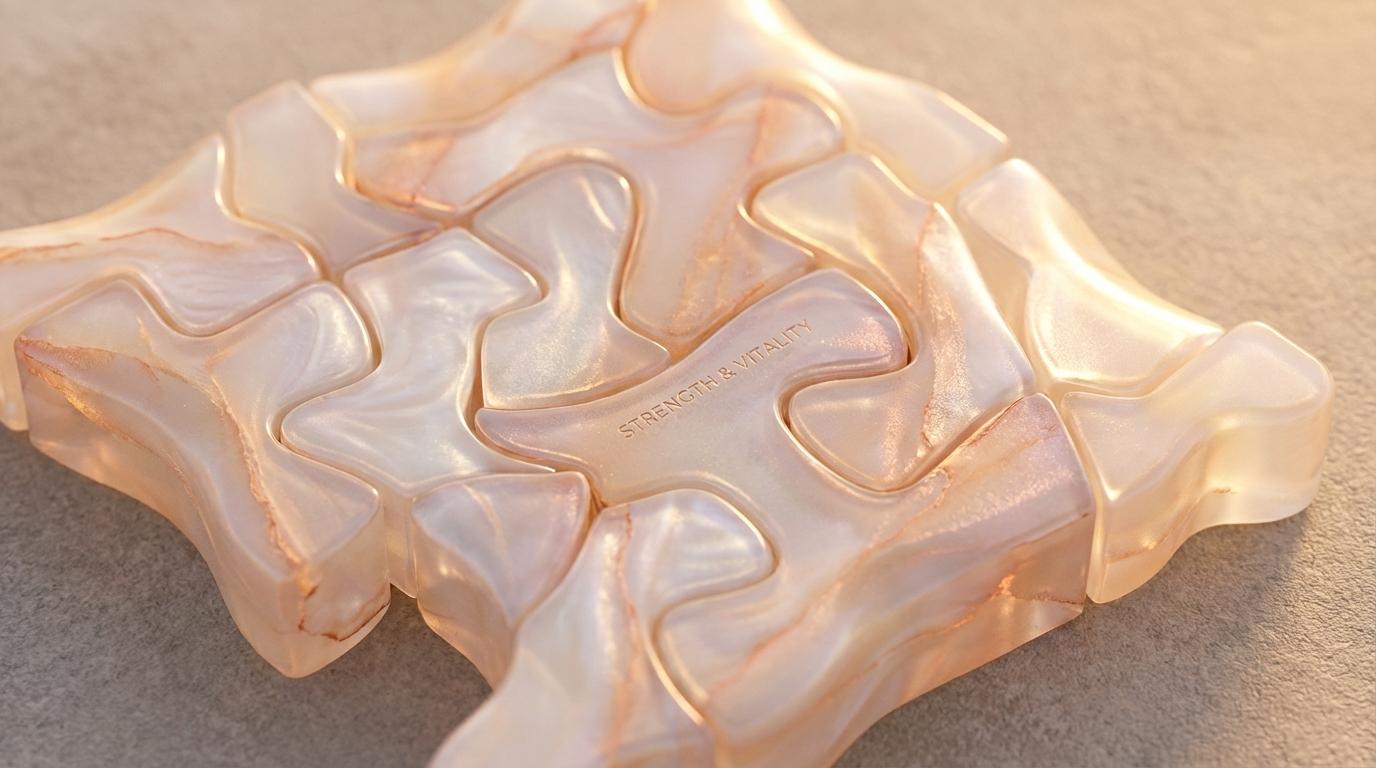
Picture your skin’s outermost layer as a brick wall. The skin cells are the bricks, and ceramides are the mortar between them. Without that mortar, the bricks just fall apart. That’s essentially what happens when your ceramide levels drop.
Ceramides make up about 50% of your skin’s lipid barrier (the other 50% is a mix of cholesterol and fatty acids). Their main jobs include:
- Keeping water locked inside your skin cells
- Blocking irritants, pollution, and bacteria from getting in
- Maintaining the structural integrity of your skin barrier
- Helping skin cells communicate with each other properly
When ceramide levels are healthy, your skin looks plump, feels smooth, and handles products well. When they’re depleted (hi, over-exfoliation), everything goes wrong. Your skin gets dry, reactive, and suddenly that gentle cleanser starts stinging.
The cool thing is that ceramides are naturally occurring in your skin. You’re literally making them right now. But various factors can mess with production or strip them away faster than you can replace them.
How Your Body Makes Ceramides (And What Messes That Up)
Your skin cells produce ceramides in a process called de novo synthesis (fancy term for “making from scratch”). The deeper layers of your epidermis create these lipids, which then migrate up to the stratum corneum (the very top layer) where they do their barrier thing.
Natural ceramide production peaks when you’re young and gradually declines with age. By the time you hit your 30s, you’re already making less than you did at 20. By 40, the decline is pretty noticeable. This is partly why skin gets drier and more sensitive as we age (though plenty of young people have ceramide issues too).
Things that deplete your ceramides faster than your body can replace them:
- Harsh cleansers – Sulfates and strong surfactants strip ceramides right off your skin
- Over-exfoliating – All those acids and scrubs can damage the barrier
- Hot water – Weakens the lipid structure (warm showers only, please)
- Dry air – Winter and air conditioning are brutal
- UV damage – Yet another reason to wear sunscreen daily
- Certain skin conditions – Eczema, psoriasis, and rosacea often involve ceramide deficiency
Your diet also plays a role (I know, everything comes back to food). Essential fatty acids from sources like fish, walnuts, and olive oil provide building blocks for ceramide production. So technically, eating salmon is a skincare step. I don’t make the rules.
Signs Your Skin Needs More Ceramides
Your skin is pretty good at telling you when the barrier is compromised. The tricky part is recognizing that ceramide depletion is often the underlying cause.
Common signs include:
- Dry, flaky patches that won’t go away with regular moisturizer
- Products that used to work fine now sting or burn
- Skin feels tight after cleansing (even with gentle cleansers)
- Redness and sensitivity that appeared out of nowhere
- Fine lines look more pronounced (dehydration makes them worse)
- Makeup sits weird on your skin
If you’re nodding along to several of these, your barrier probably needs some love. The good news is that ceramides are one of the easier ingredients to supplement through skincare products.
When to Add Ceramide Products to Your Routine
Pretty much everyone can benefit from ceramides in their routine (they’re that universally helpful), but some situations call for them more urgently.
You probably need ceramides ASAP if you:
- Recently overdid it with retinol or acids
- Moved to a drier climate
- Are dealing with eczema, rosacea, or dermatitis
- Noticed your skin becoming more reactive lately
- Are over 35 (natural production declining)
- Use strong acne treatments like prescription retinoids or benzoyl peroxide
The thing about ceramides is that they work slowly but surely. You won’t see dramatic results overnight like you might with vitamin C brightening your skin. Instead, over a few weeks, you’ll notice your skin just… works better. Products absorb nicely, breakouts calm down, and that persistent dryness finally improves.
Forms of Ceramides That Actually Work
This is where things get slightly technical (but I’ll keep it practical, promise). Not all ceramide products are created equal. The form of ceramide matters, and so does what else is in the formula.
There are several types of ceramides, named with numbers (ceramide 1, ceramide 3, etc.) or the newer naming system (ceramide NP, ceramide AP, etc.). Ceramide 3 (also called ceramide NP) is one of the most researched and commonly used in skincare. Ceramide 1 (ceramide EOS) is great for barrier repair. Ceramide 6-II (ceramide AP) helps with cell turnover.
For best results, look for products that include:
- Multiple ceramide types – Mimics your skin’s natural ceramide variety
- Cholesterol – Works synergistically with ceramides
- Fatty acids – The third component of healthy barrier lipids
- Phytosphingosine – A ceramide precursor that boosts natural production
This trio of ceramides, cholesterol, and fatty acids in the right ratios is basically the gold standard for barrier repair. CeraVe built their entire brand on this concept (it’s literally in the name).
Synthetic ceramides (also called pseudo-ceramides) are actually fine despite the scary-sounding name. They’re structurally similar to natural ceramides and work just as well in most cases. Some are even more stable in formulations.
How to Use Ceramide Products
Ceramides play nice with basically everything in your routine. They don’t cause irritation, they don’t have weird interactions with other ingredients, and they won’t make your skin purge. Basically, they’re the chill friend who gets along with everyone.
You can use ceramide products:
- Morning and night (they’re not photosensitive)
- On damp or dry skin
- With retinol (they actually help buffer irritation)
- With acids (same deal, helps reduce irritation)
- Under sunscreen
- As your only moisturizing step or layered with other hydrators
If you’re using actives like retinol or glycolic acid, applying a ceramide product after can help prevent the barrier damage these ingredients sometimes cause. Think of it as insurance for your skin barrier.
The most common way to get ceramides is through moisturizers and creams, but they also show up in cleansers (gentle ones that deposit ceramides while cleaning) and serums. Cleansers are nice because they’re replacing some of what cleansing naturally strips away.
Ceramide Products Worth Trying
Since ceramides are stable and not super expensive to formulate, you can find good options at various price points. Here are some approaches based on budget:
Budget-friendly options:
- CeraVe Moisturizing Cream (the classic, contains three essential ceramides)
- Cetaphil Moisturizing Cream (reformulated to include ceramides)
- Vanicream Daily Facial Moisturizer (fragrance-free with ceramides)
Mid-range picks:
- Paula’s Choice Omega+ Complex Moisturizer
- Stratia Liquid Gold (cult favorite with ceramides, cholesterol, and fatty acids)
- First Aid Beauty Ultra Repair Cream (includes colloidal oatmeal too)
If you want to splurge:
- Dr. Jart+ Ceramidin Cream (rich and very effective)
- Elizabeth Arden Ceramide Capsules (single-dose for consistency)
Honestly though? The drugstore options work great. Ceramides are ceramides. The fancy versions might have nicer textures or additional beneficial ingredients, but you don’t need to spend a lot to get results.
Realistic Expectations for Ceramide Products
Let me be real with you (because that’s what we do here): ceramides will probably not transform your skin dramatically. They’re not that kind of ingredient. What they will do is make your skin function better, which makes everything else work better too.
After a few weeks of consistent ceramide use, you might notice:
- Less tightness after cleansing
- Products absorbing more evenly
- Reduced redness and sensitivity
- Skin looks less dull (hydrated skin reflects light better)
- Fewer dry patches
- Better tolerance for active ingredients
It’s less “wow my skin looks amazing” and more “huh, my skin just feels… normal now.” And honestly? Normal, healthy, not-irritated skin is the goal. The flashy ingredients get attention, but ceramides do the quiet work of keeping everything stable.
If you take one thing from this: ceramides are the foundation. You can use all the serums and treatments you want, but if your barrier is compromised, nothing else will work as well as it should. Get the ceramides right first, then build from there.