
Your skin feels like it is drowning in oil by midday, and the constant shine comes with a side of breakouts that never quite clear. Clay masks might be calling your name, but there is a gentle way to use them that will not leave you worse off than before.
Clay masks have earned their place in skincare routines for good reason. They genuinely absorb excess oil and help draw impurities from pores. But they are powerful tools that demand respect. Used too often or too aggressively, they create new problems while solving old ones.
Finding balance is everything. The right clay mask used mindfully can calm oily, acne-prone skin without stripping it dry.
How Clay Absorbs Oil
Clay minerals have a unique molecular structure that makes them naturally absorbent. They carry a slight negative electrical charge, while the oils and impurities in your skin carry a positive charge. When you apply clay to your face, these opposite charges attract each other.
Think of it as a gentle magnetic pull. The clay draws sebum, dirt, and debris toward itself and away from your pores. When you rinse off the mask, these impurities wash away with it.
This is not harsh scrubbing or chemical dissolving. Clay works through attraction rather than force, which is why it remains gentle when used appropriately.
Different clays have different absorption levels. Some pull more aggressively than others. Understanding which clay suits your skin prevents accidental over-drying.
Best Clay Types for Acne-Prone Skin
Not all clays work equally well for oily, breakout-prone skin. Each type has distinct properties worth knowing.
Kaolin Clay
Kaolin is the gentlest option. It comes in white, yellow, or pink varieties, with white being the mildest. This clay absorbs oil without pulling moisture from deeper skin layers.
If your oily skin also experiences sensitivity or occasional dry patches, kaolin provides oil control without irritation. It suits combination skin types beautifully. Research published in the Journal of Cosmetic Science confirms kaolin’s mild absorption profile makes it suitable for regular use on sensitive skin types (Journal of Cosmetic Science).
Bentonite Clay
Bentonite offers stronger absorption than kaolin. Made from volcanic ash, it swells when mixed with water and creates a powerful drawing effect.
For truly oily skin that produces excess sebum throughout the day, bentonite delivers noticeable results. It pulls more oil and impurities than gentler clays. However, this strength means it demands more careful use to avoid over-drying.
French Green Clay
French green clay falls between kaolin and bentonite in absorption strength. It contains decomposed plant matter and minerals that give it its distinctive color.
This clay works well for oily skin with active breakouts. It absorbs oil effectively while also providing mild exfoliation that helps unclog pores. Studies indicate green clay has additional antibacterial properties that may benefit acne-prone skin (PubMed).
Rhassoul Clay
Rhassoul comes from Morocco and offers excellent oil absorption with added benefits. It contains higher mineral content than most clays, including silica, magnesium, and potassium.
This clay is particularly good for acne-prone skin because it cleanses without disrupting the skin’s natural pH balance. Many people find it leaves skin feeling soft rather than tight, even with significant oil absorption.
Frequency Recommendations
More is not better with clay masks. Your skin needs time between treatments to maintain its natural balance.
Starting Out
Begin with once weekly. Give your skin a full week to respond before adding another treatment day. This patience prevents accidentally overtreating and causing the rebound oil production that makes oily skin worse.
After a month of weekly use, assess how your skin responds. If you see improvement without tightness or increased breakouts, you might cautiously move to twice weekly.
Maintenance Schedule
Most oily, acne-prone skin does well with one to two clay mask sessions per week. Very oily skin might tolerate three times weekly during particularly humid months, but this is the absolute maximum for anyone.
Pay attention to how your skin feels in the hours after masking. Healthy oil absorption feels like balanced skin. Over-absorption feels tight, dry, and uncomfortable. Learn your personal threshold.
Seasonal Adjustments
Summer humidity increases oil production, so you might need masks more frequently during warm months. Winter dryness means your skin produces less oil and needs gentler treatment. Adjust your frequency as seasons change rather than sticking rigidly to a schedule that no longer serves your skin.
Overuse Dries Skin Out
This is the most important thing to understand about clay masks: using them too often creates the opposite of what you want.
When you strip too much oil from your skin, it responds by producing more. Your sebaceous glands notice the sudden oil loss and overcorrect, pumping out extra sebum to compensate. Within days, you are oilier than before you started masking.
Meanwhile, the skin barrier suffers. Natural oils protect your skin from irritation, bacteria, and environmental damage. Remove too many of these oils and your barrier weakens, allowing more bacteria in and potentially worsening acne.
Signs you are overusing clay masks include:
- Skin feels tight or uncomfortable after the mask dries
- Increased flakiness, especially around the nose or chin
- Breakouts actually getting worse despite regular masking
- Oil production increasing rather than stabilizing
- General irritation or sensitivity that was not there before
If you notice these signs, stop using clay masks entirely for two weeks. Let your skin recover, then restart at a lower frequency. For a complete guide to helping compromised skin heal, check out our two-week skin reset routine.
How to Apply Clay Masks Properly
Application technique affects results. A few small adjustments make clay masks work better without risking irritation.
Prepare Your Skin
Start with clean, dry skin. Wash your face with your regular cleanser and pat completely dry. Applying clay to damp skin dilutes its absorption power and changes how it interacts with your pores.
Consider steaming your face briefly before application. The warmth opens pores slightly, allowing the clay to draw impurities more effectively. A warm washcloth held over your face for a minute works fine.
Apply an Even Layer
Use your fingers or a soft brush to spread a thin, even layer over oily and acne-prone areas. You do not need thick coats; a layer just thick enough to not see through is plenty.
Skip sensitive areas like directly under your eyes and any spots where skin is actively irritated or broken. Clay can be too drying for these vulnerable zones.
Timing Matters
Do not let clay masks dry completely to cracking. This is a common mistake that leads to over-drying. Remove the mask while it is still slightly damp to the touch but no longer wet.
This typically takes 10 to 15 minutes depending on the clay type and how thick you applied it. Set a timer rather than guessing.
Remove Gently
Use lukewarm water and soft circular motions to dissolve and rinse the clay. Do not scrub at dried patches; let the water soften them first. Scrubbing dried clay can cause micro-irritation.
Follow immediately with your regular moisturizer to replenish any lost hydration.
Building Clay Masks into Your Routine
Where clay masks fit depends on your overall routine, but keeping it simple usually works best.
Use clay masks on days when you are not using strong actives like retinoids or chemical exfoliants. Doubling up on treatments increases irritation risk without added benefit.
A balanced weekly schedule might look like:
- Sunday evening: Clay mask, followed by gentle moisturizer
- Monday through Saturday: Regular cleansing routine with your usual products
Or for twice-weekly masking:
- Wednesday evening: Clay mask night
- Sunday evening: Clay mask night
- Other evenings: Normal routine
The key is spacing treatments apart and keeping the rest of your routine gentle on mask days. Less is more.
What Clay Masks Cannot Do
Clay masks are one tool, not a complete solution. Setting realistic expectations prevents disappointment.
They absorb surface oil and help clear pores, but they do not treat the underlying causes of acne. Hormonal breakouts, for example, require different approaches than surface oil control.
Clay masks also do not replace a complete skincare routine. You still need proper cleansing, hydration, and sun protection. Think of clay masks as a weekly supplement to your regular care, not a replacement for daily habits.
For stubborn acne that does not respond to good skincare practices, consulting a dermatologist makes sense. Some breakouts need targeted treatments that clay masks simply cannot provide. For more approaches to managing acne, see our guide on how to handle pimples safely.
Ingredients to Look for in Clay Mask Products
Many premade clay masks include additional ingredients. Some help counteract potential drying; others enhance the mask’s benefits.
Helpful additions include:
- Hyaluronic acid or glycerin for moisture retention
- Aloe vera for soothing and calming
- Niacinamide for oil regulation and pore appearance
- Tea tree oil in small amounts for antibacterial benefits
Avoid masks that include heavy fragrance, alcohol, or strong astringents. These increase drying effects and irritation potential. The American Academy of Dermatology recommends fragrance-free products for acne-prone skin (AAD).
DIY vs. Store-Bought Masks
Both options work. Store-bought masks offer convenience and consistent formulation. DIY masks let you control ingredients and often cost less.
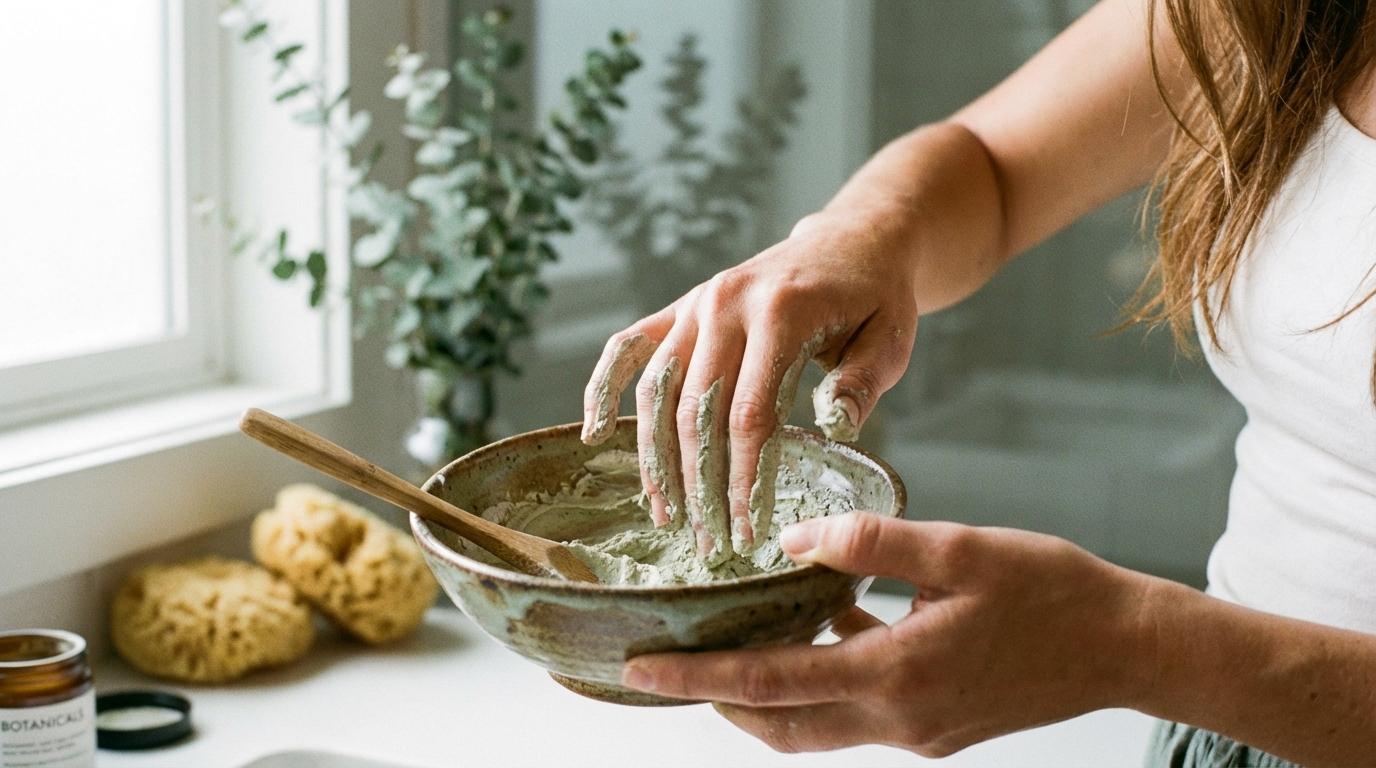
If making your own, start with pure clay powder mixed with water to a smooth paste. Add a few drops of jojoba oil if you want slightly less drying effects. Keep it simple until you know how your skin responds.
Whether you buy or make your mask, start with the gentlest clay appropriate for your skin type and increase strength only if needed.
Finding Your Balance
Clay masks offer genuine benefits for oily, acne-prone skin when used with respect and restraint. They absorb excess oil, help clear pores, and leave skin feeling refreshed.
The secret is moderation. Once or twice weekly, with the right clay for your skin type, removed before complete drying. This gentle approach delivers results without the rebound oiliness and barrier damage that come from overuse.
Listen to your skin. It will tell you when clay masks are helping and when they are too much. Trust that feedback and adjust accordingly. Your skin knows what balance feels like; your job is to help it get there.
For more gentle approaches to oily skin, explore our routine guide for oily skin with dry patches.