
If your acne routine leaves your skin feeling tight, flaky, or uncomfortable, you are not alone. Many people assume that fighting acne means stripping away oil at all costs. But the science tells us something different: over-drying your skin can actually make acne worse.
Understanding why this happens requires looking at how your skin actually functions. Once you understand the mechanisms at play, building an effective routine that does not compromise your skin barrier becomes much easier.
The Problem With Stripping Your Skin
Your skin has a protective layer called the acid mantle, a thin film made up of sebum, sweat, and dead skin cells that maintains a slightly acidic pH between 4.5 and 5.5. This acidic environment helps protect against harmful bacteria and keeps your skin functioning properly.
When you use harsh, stripping cleansers, you disrupt this acid mantle. Research published in the Journal of Clinical and Aesthetic Dermatology shows that when the skin barrier is compromised, it becomes more susceptible to bacterial colonization, including the bacteria associated with acne.
There is another problem. Your sebaceous glands respond to dryness by producing more oil. When you strip your skin of its natural oils, your body interprets this as a signal that more sebum is needed. This reactive oil production can lead to more clogged pores, which creates more acne. It is a counterproductive cycle.
The solution is using gentle, pH-balanced cleansers. Look for products with a pH close to your skin natural level. Cleansers containing surfactants like sodium lauryl sulfate tend to be more irritating, while those using gentler alternatives like coco-glucoside or decyl glucoside clean effectively without stripping.
Moisture Is Your Secret Weapon
Hydration and oil production are connected in ways that might seem counterintuitive at first.
Your skin has two separate needs: hydration, which refers to water content, and moisture, which refers to oil content. You can have oily skin that is simultaneously dehydrated. In fact, this combination is extremely common among people with acne-prone skin, particularly those who have been using drying treatments.
When your skin water content drops, the outer layer of skin cells, called the stratum corneum, becomes compromised. Studies have demonstrated that a dehydrated stratum corneum leads to increased transepidermal water loss, which triggers the skin protective mechanisms. One of these mechanisms is increased sebum production.
This is why lightweight, hydrating products are essential even for acne-prone skin. Hyaluronic acid, glycerin, and other humectants draw water into the skin without adding oil or clogging pores. Products labeled non-comedogenic have been tested to ensure they do not block pores.
A simple hydrating toner or serum applied to damp skin, followed by a lightweight moisturizer, can actually help regulate oil production over time. The key is consistency. Your skin needs several weeks of proper hydration before sebum production begins to normalize.
Target Breakouts Without Drying Everything
One of the most common mistakes I see is applying acne treatments all over the face when spot treatment would be more appropriate.
Ingredients like benzoyl peroxide, salicylic acid, and retinoids are effective acne fighters. But applying them liberally across your entire face, especially at high concentrations, causes unnecessary irritation and dryness to areas that do not need treatment.
The science behind spot treatment is straightforward: acne-causing bacteria and clogged pores are localized problems. While some preventive all-over use of certain ingredients makes sense, the concentration and frequency matter enormously.
For active breakouts, applying a higher concentration of benzoyl peroxide, typically 2.5% to 5%, directly on pimples treats them effectively without drying out surrounding skin. Clinical studies have shown that 2.5% benzoyl peroxide is often as effective as higher concentrations while causing significantly less irritation.
For prevention, lower concentrations applied more broadly work better. A 0.5% salicylic acid wash used daily, or a 0.025% retinoid applied to the full face a few times per week, provides ongoing benefits without overwhelming your skin.
The exception is when treating widespread, persistent acne across large areas of the face. In these cases, working with a dermatologist to develop an appropriate treatment plan is the best approach.
What to Look For (and Skip) on Labels
Not all ingredients commonly found in acne products are created equal when it comes to maintaining skin hydration.
Ingredients that work well:
Niacinamide, also known as vitamin B3, has anti-inflammatory properties that help with acne while simultaneously strengthening the skin barrier. Research shows that 4% niacinamide is comparable to 1% clindamycin for treating acne, with the added benefit of improving overall skin texture and reducing hyperpigmentation.
Azelaic acid at 10% to 20% concentration addresses both bacteria and inflammation while being gentler than many alternatives. It is particularly useful for people who also deal with rosacea or post-inflammatory hyperpigmentation.
Centella asiatica, often listed as cica or madecassoside, soothes irritation and supports wound healing. It pairs well with active acne treatments to minimize irritation.
Ingredients to use with caution:
High-concentration alcohol, often listed as alcohol denat or SD alcohol, provides that satisfying clean feeling but evaporates quickly and leaves skin drier than before. While small amounts in formulations are not necessarily problematic, products where alcohol appears high on the ingredient list should be avoided.
Physical exfoliants, including scrubs with microbeads or crushed particles, can spread bacteria and cause micro-tears in the skin. Chemical exfoliants work more effectively and are gentler when used appropriately.
Fragrance, whether synthetic or natural, is a common irritant. For skin that is already dealing with acne and potentially sensitized from treatment products, fragrance-free options reduce the risk of additional inflammation.
Putting Together a Gentle Acne-Fighting Plan
A routine that addresses acne without overdrying does not need to be complicated.
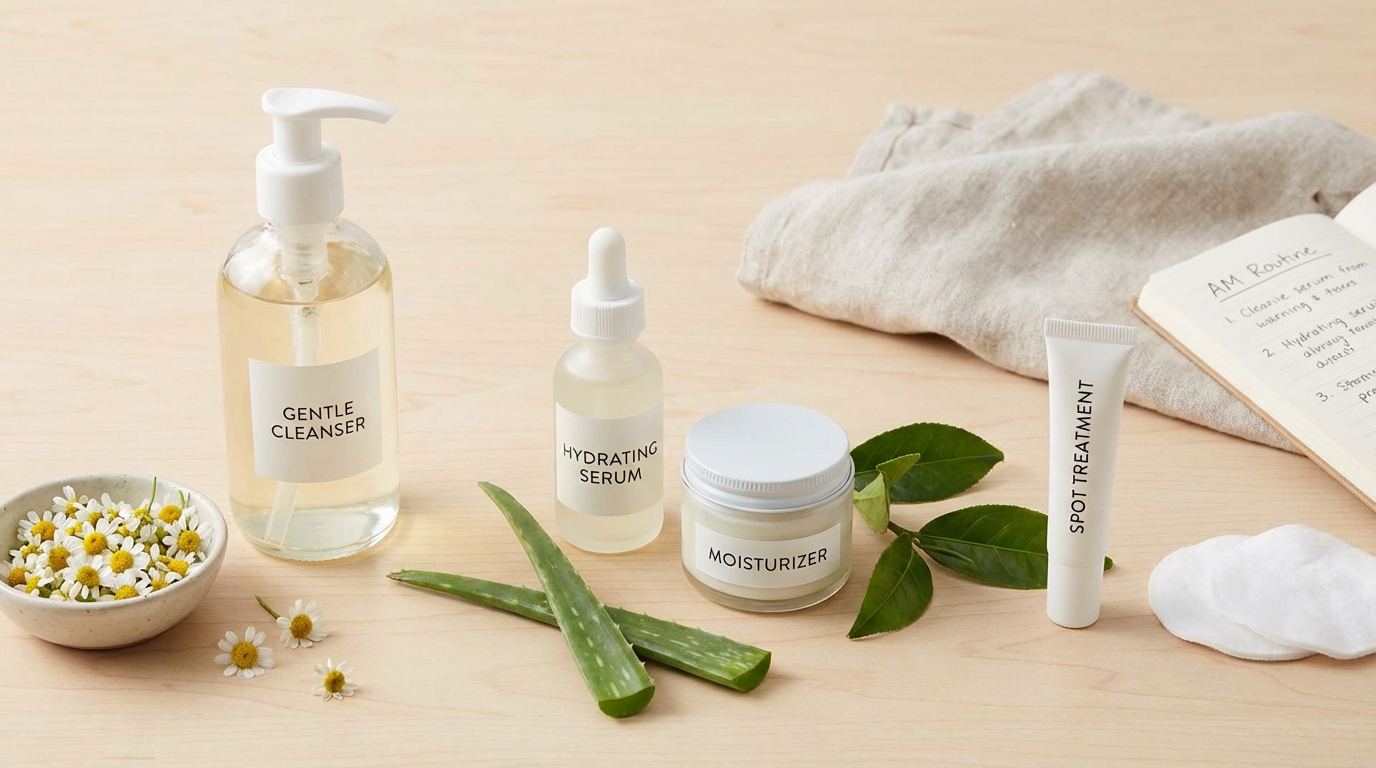
Morning: gentle cleanser, hydrating toner or essence, niacinamide serum, lightweight moisturizer, and broad-spectrum sunscreen. Sunscreen is non-negotiable, especially if you are using any actives that increase photosensitivity.
Evening: gentle cleanser, perhaps double cleanse if wearing sunscreen, hydrating toner, treatment product like retinoid or azelaic acid, and moisturizer. Spot treat active breakouts as needed.
Start slowly with new active ingredients. Introduce one product at a time and begin with lower frequencies, perhaps every other night, before working up to nightly use. Your skin will adapt, and gradual introduction minimizes the irritation that often comes with starting new treatments.
Monitor how your skin feels. Healthy skin, even acne-prone skin, should not feel tight, uncomfortable, or look flaky. If you are experiencing these signs, scale back on actives and prioritize barrier repair before resuming your full routine.
Treating acne effectively is about finding the right balance. That balance includes products that address acne-causing factors while respecting your skin need for hydration and barrier integrity. When you achieve this balance, you will find that your skin responds better to treatment and feels better day to day.