
Collagen gets all the attention. It’s in supplements, serums, creams, and every skincare ad you’ve ever scrolled past. But elastin? That one sits quietly in the corner, doing equally important work without nearly as much fanfare.
Both proteins are structural components of your skin, and both decline as you age. But they do completely different jobs, face different challenges, and respond differently to damage. Understanding the distinction helps you make smarter choices about prevention and realistic expectations about what skincare can actually do.
What Elastin Actually Does for Your Skin
Think of elastin as your skin’s rubber band. It’s a protein that gives your skin the ability to stretch and then snap back into place. When you smile, frown, or make any facial expression, elastin is what allows your skin to return to its original position afterward.
Elastin fibers are incredibly durable when undamaged. They can stretch to about 150% of their original length and still return to shape. This elasticity is why young skin looks “bouncy” and resilient. Press on it, and it springs right back.
The protein is produced by fibroblasts, the same cells that make collagen. But here’s the catch: most of your elastin is made during late fetal development and early childhood. By the time you hit puberty, elastin production has essentially stopped. Your body maintains what’s already there but doesn’t actively create new elastin fibers at significant rates.
According to research published in Dermato-Endocrinology, elastin makes up only about 2-4% of the dermis by weight, but its impact on skin appearance is substantial. Without functional elastin, skin loses its ability to recoil after movement, leading to sagging and permanent lines.
What Collagen Does (And Why It Gets More Press)
Collagen is the scaffolding. If elastin is the rubber band, collagen is the steel framework that holds everything in place. It’s the most abundant protein in your body, making up about 75-80% of your skin’s dry weight.
Collagen provides structure and firmness. It’s arranged in fibers that create a dense network supporting your skin from below. When you hear about “plump” skin or “full” cheeks, that’s largely collagen doing its job.
Unlike elastin, your body continues producing collagen throughout your life, though production slows with age. Starting in your mid-20s, you lose about 1% of your collagen per year. This gradual loss contributes to thinner skin, fine lines, and loss of volume over time.
Collagen gets more marketing attention partly because it’s replaceable. Your body can and does make new collagen in response to certain stimuli like retinoids, vitamin C, and various professional treatments. Supplements claiming to boost collagen are everywhere because there’s at least some biological basis for the concept, even if the evidence for oral collagen reaching your skin is still debated.
Why Elastin Can’t Be Replaced Easily
Here’s the uncomfortable truth: once elastin is damaged, it’s essentially gone for good. Your adult body doesn’t have the biological machinery to efficiently rebuild elastin networks.
When elastin breaks down, your body tries to repair it by laying down new elastin fragments. But these fragments don’t integrate properly into the existing network. Instead of the organized, functional fibers you had originally, you get disorganized clumps that don’t provide the same snap-back capability.
This is why the skincare industry talks less about elastin repair and more about elastin protection. There’s no cream, supplement, or in-office treatment that can reliably restore elastin to its youthful state. Some research into tropoelastin (the building block of elastin) shows promise, but we’re not there yet.
Professional treatments like radiofrequency, ultrasound, and certain lasers can stimulate some elastin production, but the results are modest compared to what we can achieve with collagen stimulation. The elastin network you’re born with is largely the elastin network you’ll have for life.
How Sun Exposure Destroys Elastin Fibers
UV radiation is elastin’s worst enemy, and the damage mechanism is worth understanding because it explains why prevention matters so much.
When UV rays penetrate your skin, they trigger a cascade of enzymatic activity. One key player is elastase, an enzyme that specifically breaks down elastin fibers. Sun exposure increases elastase activity, essentially accelerating the destruction of your irreplaceable elastic tissue.
UV radiation also generates free radicals that directly attack elastin proteins, causing cross-linking and fragmentation. The fibers become stiff and brittle instead of flexible and resilient. This is why sun-damaged skin loses its snap and develops a leathery texture over time.
The term for this UV-induced elastin damage is “solar elastosis.” If you look at chronically sun-exposed skin under a microscope, you’ll see a characteristic pattern of clumped, degraded elastin fibers in the upper dermis. This is different from normal aging, which affects elastin more gradually and evenly.
What makes solar elastosis particularly frustrating is that the damage is cumulative and largely irreversible. Every unprotected sun exposure adds to the total burden, and your skin doesn’t forget.
The Skin Cancer Foundation notes that up to 90% of visible skin aging can be attributed to UV exposure. That statistic includes both collagen and elastin damage, but elastin loss is particularly impactful because there’s no meaningful way to rebuild it.
The Prevention Over Repair Reality
When it comes to elastin, prevention isn’t just the best option. It’s basically the only option that works.
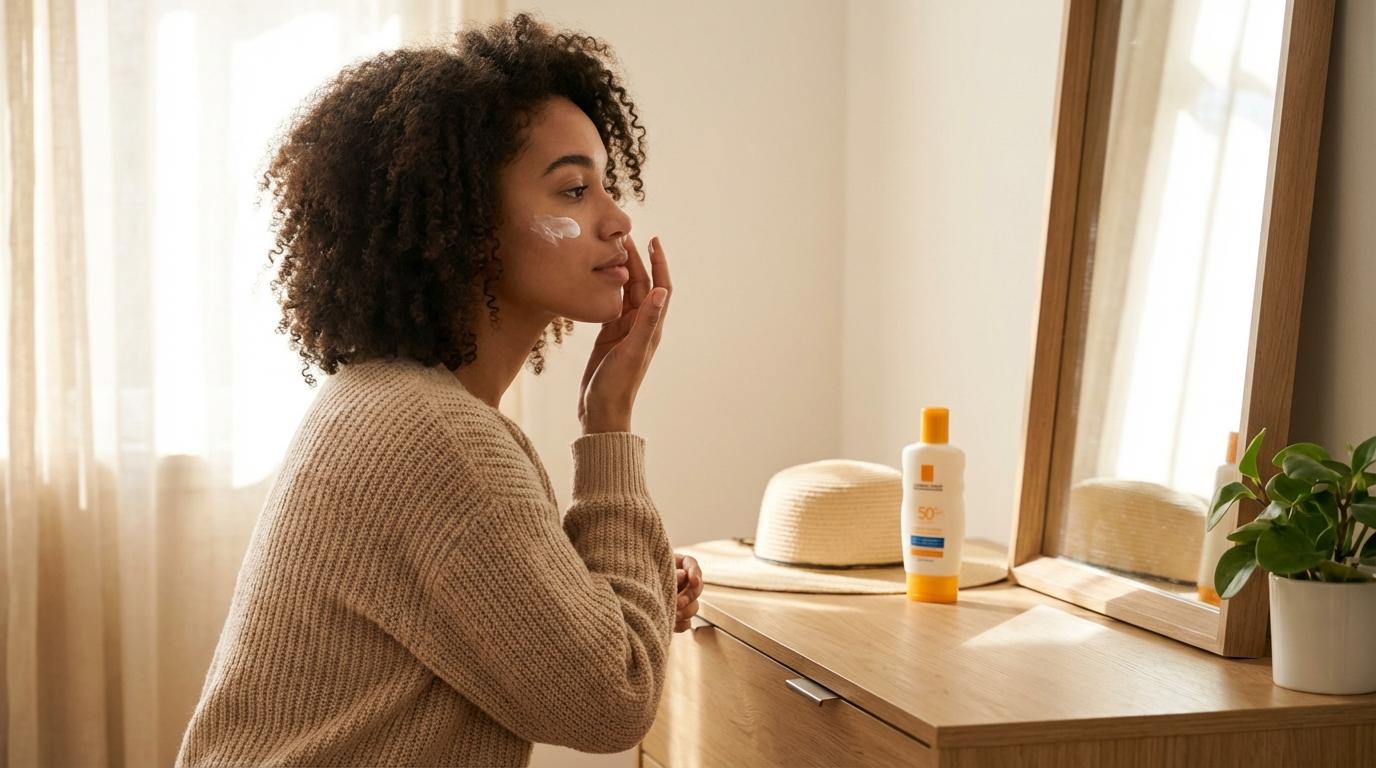
Daily sunscreen is non-negotiable. SPF 30 or higher, applied properly and reapplied as needed. This is the single most effective thing you can do to protect your existing elastin from UV-induced destruction. Broad-spectrum protection matters because both UVA and UVB contribute to elastin breakdown.
Antioxidants provide backup protection. Vitamin C, vitamin E, and other antioxidants can neutralize some of the free radicals generated by UV exposure before they damage elastin. They’re not a substitute for sunscreen, but they add a layer of defense. Studies have shown that topical antioxidants work synergistically with SPF to reduce photoaging.
Avoid unnecessary UV exposure. This sounds obvious, but it includes tanning beds (which deliver concentrated UV), prolonged unprotected sun exposure, and skipping sunscreen because it’s cloudy or you’re “just running errands.” UVA rays penetrate clouds and glass. They’re always working.
Retinoids help maintain what you have. While retinoids are better known for stimulating collagen, research suggests they may also help reduce elastin degradation by regulating enzyme activity and promoting healthier dermal structure overall. The American Academy of Dermatology recommends retinoids as a cornerstone of anti-aging routines.
Don’t smoke. Smoking accelerates elastin breakdown through multiple mechanisms, including reduced blood flow, increased free radical production, and activation of matrix metalloproteinases (enzymes that degrade structural proteins). If you want to preserve skin elasticity, cigarettes are working against you.
How to Think About Both Proteins in Your Routine
Collagen and elastin work together. Collagen provides the firm foundation while elastin allows that foundation to flex with movement. When both are intact, skin looks firm yet resilient. When one or both are compromised, you see sagging, wrinkling, and loss of that youthful bounce.
For collagen, you have options. Retinoids, vitamin C, peptides, and various professional treatments can meaningfully boost collagen production over time. These are worthwhile investments because your body will actually use the stimulation to build new collagen.
For elastin, your approach is different: protect fiercely, expect less from “repair” products, and understand that maintaining what you have is the realistic goal. Products claiming to “rebuild elastin” or “restore elasticity” are usually overpromising. They might support skin health generally, but they can’t recreate the elastin network you’ve lost.
This isn’t meant to be depressing. It’s meant to be realistic. When you understand that elastin protection is the priority, you’re less likely to skip sunscreen thinking you’ll fix the damage later. You can’t.
What This Means for Your Skin Long-Term
Aging involves both proteins declining, but the timeline and reversibility differ.
Collagen loss shows up as volume loss, fine lines, and thinner skin. It happens gradually starting in your 20s and accelerates with menopause due to hormonal changes. But collagen responds to intervention. Consistent use of retinoids and vitamin C can slow and partially reverse collagen loss over years of use.
Elastin loss shows up as sagging, deeper folds, and skin that doesn’t bounce back from expressions. It happens earlier and more permanently in sun-exposed areas. And it doesn’t respond meaningfully to topical intervention. Once the network is damaged, the damage is largely permanent.
This is why dermatologists emphasize sunscreen so heavily, especially starting young. Every year of unprotected UV exposure is degrading elastin that cannot be replaced. The investment in prevention pays dividends for decades.
You can support both proteins by living a generally healthy lifestyle: adequate sleep, reasonable stress management, not smoking, eating enough protein and vitamin C, and staying hydrated. But when it comes to direct intervention, focus your efforts where they’ll actually work. Stimulate collagen production through proven actives. Protect elastin through rigorous sun protection and antioxidants.
Neither protein is more important than the other. They’re partners in keeping your skin looking healthy and functioning well. But understanding their different natures helps you build a routine based on what’s actually achievable rather than marketing promises.