
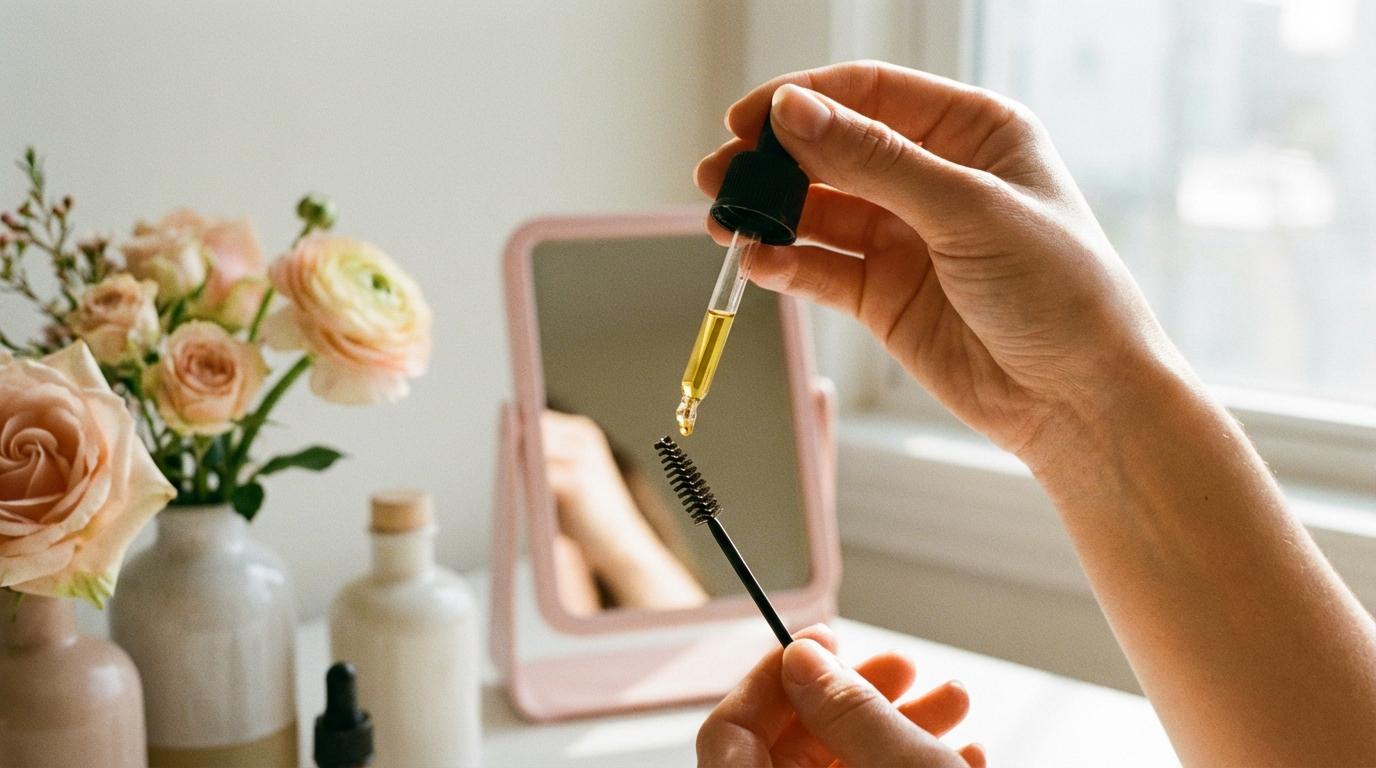
Castor oil is not the lash miracle TikTok wants you to believe. I spent three years as a beauty editor watching trend after trend promise transformative results, and few have been as persistent or as poorly supported by evidence as the castor oil-for-lashes craze. People swear by it. Influencers demonstrate their “results.” But when you strip away the anecdotes and actually look at what science says, the picture becomes a lot less glamorous.
That said, castor oil isn’t entirely useless. It has some genuine properties that might help your lashes in specific ways. The key is understanding what it can realistically do versus what the internet has convinced you it will do.
The Claims vs. Reality Check
The core claim is simple: apply castor oil to your lashes nightly, and they’ll grow longer, thicker, and more voluminous. Sounds great. The problem? There’s zero clinical evidence supporting this.
No peer-reviewed study has demonstrated that castor oil stimulates hair follicle activity or promotes faster lash growth. None. The studies that do exist on castor oil focus primarily on its antimicrobial and anti-inflammatory properties when used on skin or wounds. Hair growth stimulation in the eyelash area has never been the subject of rigorous scientific investigation.
What gets confused here is the difference between conditioning existing lashes and actually growing new ones. These are completely different biological processes.
What Castor Oil Might Actually Help With
Castor oil is predominantly composed of ricinoleic acid, a fatty acid with documented moisturizing properties. When applied to lashes, it can:
Coat and condition the hair shaft. Lashes, like all hair, can become dry and brittle. The thick, viscous nature of castor oil creates a coating that may help prevent moisture loss and reduce breakage.
Add temporary shine. Oil on hair creates an immediate visual effect of healthier, glossier strands. Your lashes will look better right after application, which might explain some of those before-and-after photos.
Potentially reduce lash fallout from dryness. If your lashes are breaking off due to brittleness (from harsh makeup removers, lash curlers, or environmental factors), conditioning them might help reduce premature shedding. This isn’t growth. It’s retention of what you already have.
Why People Think It Works
Confirmation bias is powerful. When you start paying attention to your lashes every night (measuring them, photographing them, caring for them), you become hyper-aware of their current state. Natural lash shedding cycles mean you might catch them at a fuller phase and attribute it to the oil.
Lashes also have a growth cycle of roughly 4-8 weeks. Start using castor oil at the beginning of a growth phase, and coincidentally, your lashes will look fuller at the end of that phase. The oil gets the credit for what biology was doing anyway.
Additionally, if someone was previously being rough with their lashes (aggressive makeup removal, no conditioning), switching to a gentle nightly routine with any hydrating product would likely improve lash appearance over time.
The Actual Risks of Eye Area Application
Your eye area is sensitive. Castor oil, while generally considered safe, does carry some risks when used near the eyes:
Allergic reactions. Some people experience redness, itching, or swelling. Always patch test on your arm before bringing any new product near your eyes.
Clogged tear ducts. The thick consistency of castor oil can migrate into tear ducts if overapplied, potentially causing irritation or temporary blockages.
Blurred vision. Getting oil in your eyes will blur your vision temporarily. While not dangerous, it’s annoying and can happen easily during sleep.
Contact lens issues. Oil residue can coat contact lenses if you apply it at night and don’t wash your eye area thoroughly in the morning.
Safer Alternatives That Actually Have Evidence
If you genuinely want longer, thicker lashes and are willing to invest in something beyond home remedies, there are options with actual clinical backing:
Prescription prostaglandin analogues (like bimatoprost). This is the active ingredient in Latisse and generic versions. It genuinely stimulates lash growth and has FDA approval for this purpose. The mechanism is understood: it extends the growth phase of the lash cycle. Side effects exist (potential iris darkening in some users, periorbital fat loss with long-term use), so it requires a prescription and doctor supervision.
Peptide-based lash serums. Some over-the-counter serums contain peptides that claim to support lash health. The evidence is weaker than prescription options but stronger than castor oil. Look for serums with clinical trials, even small ones, rather than just marketing claims.
Good lash hygiene. Sometimes the best thing you can do is stop damaging what you have. Gentle makeup removal (micellar water or oil-based cleansers), avoiding waterproof mascara daily, and not sleeping in makeup will protect the lashes you naturally grow.
If You Still Want to Try Castor Oil
I get it. It’s cheap, natural, and low-risk for most people. If you want to experiment, go in with realistic expectations:
Use a clean mascara wand to apply a tiny amount to lash tips at night. Avoid getting it directly at the lash line where it can migrate into your eyes. Start with every other night to see how your eyes react. Don’t expect growth. Expect conditioning at best.
And please, stop using it if you experience any irritation. No amount of theoretical lash benefit is worth actual eye discomfort.
Reading Between the Lines on Product Claims
Many lash oils and serums prominently feature castor oil in their ingredient lists, banking on the hype. Read carefully. Marketing that says “promotes the appearance of longer lashes” is different from “makes lashes grow longer.” The first is about how things look (often temporarily, thanks to coating effects). The second would require clinical proof they don’t have.
The beauty industry is excellent at technically-not-lying while strongly implying benefits that don’t exist. Castor oil products are no exception.
What Actually Determines Your Lash Length
Genetics. Full stop. Your lash length, thickness, and growth cycle duration are primarily determined by your DNA. Some people naturally have long, thick lashes. Others have shorter, sparser ones. No topical product changes your genetic programming.
What you can influence is the condition of your existing lashes and whether you’re retaining them through their full growth cycle rather than losing them prematurely to damage. That’s where proper care comes in, but it’s maintenance, not transformation.
The Bottom Line Replacement
Castor oil will not give you dramatically longer lashes. It might make them slightly shinier and less prone to breakage if they’re currently dry and brittle. That’s it. If that modest benefit appeals to you and your eyes tolerate it, feel free to use it as a conditioning treatment.
But if you’re looking for actual lash growth, you need prescription prostaglandins or significant genetic luck. Everything else is conditioning, marketing, or wishful thinking. I’d rather you spend your money on a good retinol for your skin than chase lash miracles that don’t exist.
The next time someone tells you castor oil transformed their lashes, ask them for their before photos with date stamps and consistent lighting. The silence will be informative.