
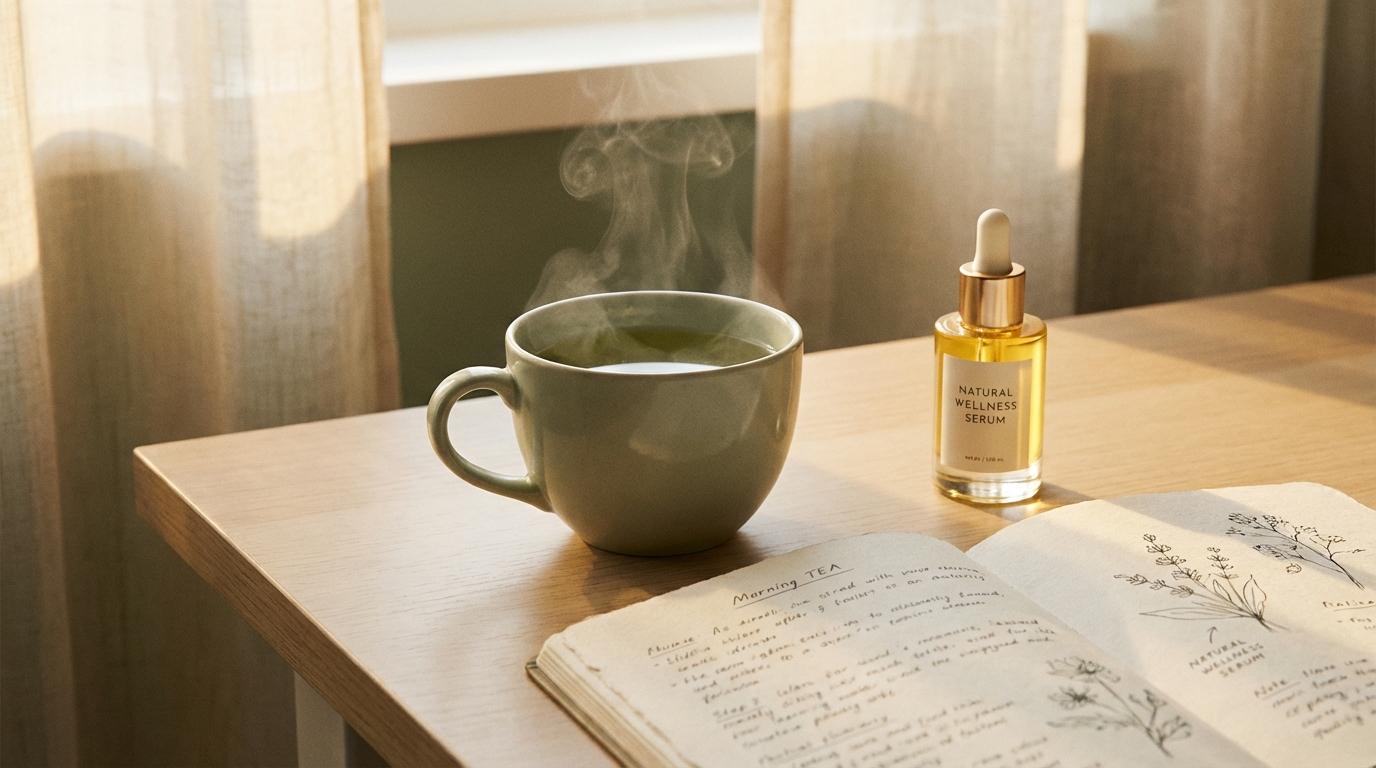
Every night around 2am, when I should definitely be asleep but instead I’m deep in skincare Reddit, someone asks about green tea for acne. And honestly? It’s one of those ingredients that actually deserves the attention (unlike some trending nonsense I could name but won’t because I’m nice).
Green tea extract has been hanging around skincare for years now, and there’s actual science to back it up. We’re talking real studies, not just influencer speculation. So let’s break down what this ingredient can actually do for acne-prone skin and where it fits in your routine.
What Makes Green Tea Extract Work
The star of the show is EGCG (epigallocatechin gallate), which sounds like a keyboard smash but is actually a powerful polyphenol. Green tea is absolutely loaded with these antioxidants, and they do some pretty impressive things for your skin.
First up: anti-inflammatory action. When you’ve got acne, inflammation is basically throwing a party on your face. EGCG helps calm that down by inhibiting certain inflammatory pathways. Your angry red bumps? Green tea wants them to chill out.
Then there’s the antioxidant piece. Free radicals from pollution, sun exposure, and just existing in the modern world can make acne worse and slow down healing. Green tea neutralizes these troublemakers, giving your skin a better environment to actually recover.
Related: rosemary extract.
The Sebum Situation
Now here’s where it gets interesting. Several studies have looked at green tea’s effect on sebum production, and the results are genuinely promising. One study found that a 3% green tea extract reduced sebum production significantly over 8 weeks. For those of us with oily skin that could double as a slip-n-slide by noon, this is exciting news.
The mechanism isn’t totally clear, but researchers think EGCG might affect the androgen receptors in sebaceous glands. Basically, it could help reduce that hormonal trigger that makes your skin pump out excess oil. Less oil generally means fewer clogged pores, which means less acne fuel.
A breakdown from Paula’s Choice notes that green tea’s multiple mechanisms make it particularly useful for oily and acne-prone skin types.
Topical vs. Drinking the Stuff
I get this question constantly: “Can I just drink green tea instead of putting it on my face?” The short answer is yes and no (helpful, I know).
Drinking green tea does give you some systemic antioxidant benefits. Your whole body appreciates it. But the concentrations that reach your skin through drinking are much lower than what you’d get from topical application. Think of it like this: drinking water hydrates you from within, but you still need moisturizer on top.
For targeted acne benefits, topical green tea extract is where it’s at. The EGCG can get directly to your sebaceous glands and inflamed spots without having to travel through your entire digestive system first.
That said, drinking green tea isn’t pointless. The anti-inflammatory effects throughout your body can contribute to overall skin health. Consider it a nice complement to your topical routine, not a replacement. Maybe skip the sugary matcha lattes though (sugar and acne are not friends).
Pollution And Skin covers this too.
Where Green Tea Fits in Your Routine
Green tea extract works best as a supporting player, not the main star. If you’re dealing with active acne, you still want your heavy hitters like salicylic acid or benzoyl peroxide doing the primary work. Green tea comes in to reduce inflammation, provide antioxidant protection, and help manage oil production in the background.
You’ll find it in serums, moisturizers, toners, and even some cleansers. For acne-prone skin, I’d suggest looking for it in a lightweight serum or your moisturizer. Something you’re leaving on your skin so those polyphenols have time to work.
The good news is green tea extract plays well with most other ingredients. It’s not going to clash with your retinoid or cause issues with your acids. If anything, its antioxidant properties can help offset some of the irritation from stronger actives.
What to Look For (and What to Avoid)
Not all green tea products are created equal. When shopping, look for:
- Camellia sinensis extract or EGCG in the first half of the ingredient list
- Dark or opaque packaging (antioxidants degrade with light exposure)
- Formulas without a ton of added fragrance or alcohol
If green tea is listed as one of the last ingredients, you’re probably not getting enough to make a real difference. It’s there for marketing, not results.
Also watch out for products that load up on other potentially irritating ingredients. If a “green tea” product is also packed with essential oils and synthetic fragrances, the tea benefits might get canceled out by the irritation factor.
Managing Expectations
Green tea extract isn’t going to clear your acne overnight. No single ingredient will (and anyone telling you otherwise is lying). What it can do is provide consistent support over time.
You might notice reduced redness within a few weeks. Oil control benefits tend to show up around the 6-8 week mark if the research is any indication. It’s the kind of ingredient that makes your whole routine work better rather than delivering dramatic standalone results.
For building a complete approach to oily, acne-prone skin, this guide on routines for oily skin covers how to layer everything together without overdoing it.
The Bottom of Things
Green tea extract has earned its place in acne-fighting routines through legitimate research, not just hype. The combination of anti-inflammatory action, antioxidant protection, and sebum regulation makes it genuinely useful for oily and breakout-prone skin.
Is it going to replace your benzoyl peroxide? No. But as a supporting ingredient that makes your skin healthier overall while helping manage the factors that contribute to acne? Absolutely worth including.
If you’re looking to add it to your routine, start with one product and see how your skin responds. A green tea serum used consistently will do more than a complete green tea overhaul that you abandon after two weeks. Consistency over intensity, always.
Now go get some sleep instead of reading skincare articles at 2am. (I say this fully aware that I’ll be back on Reddit in approximately 45 minutes.)