
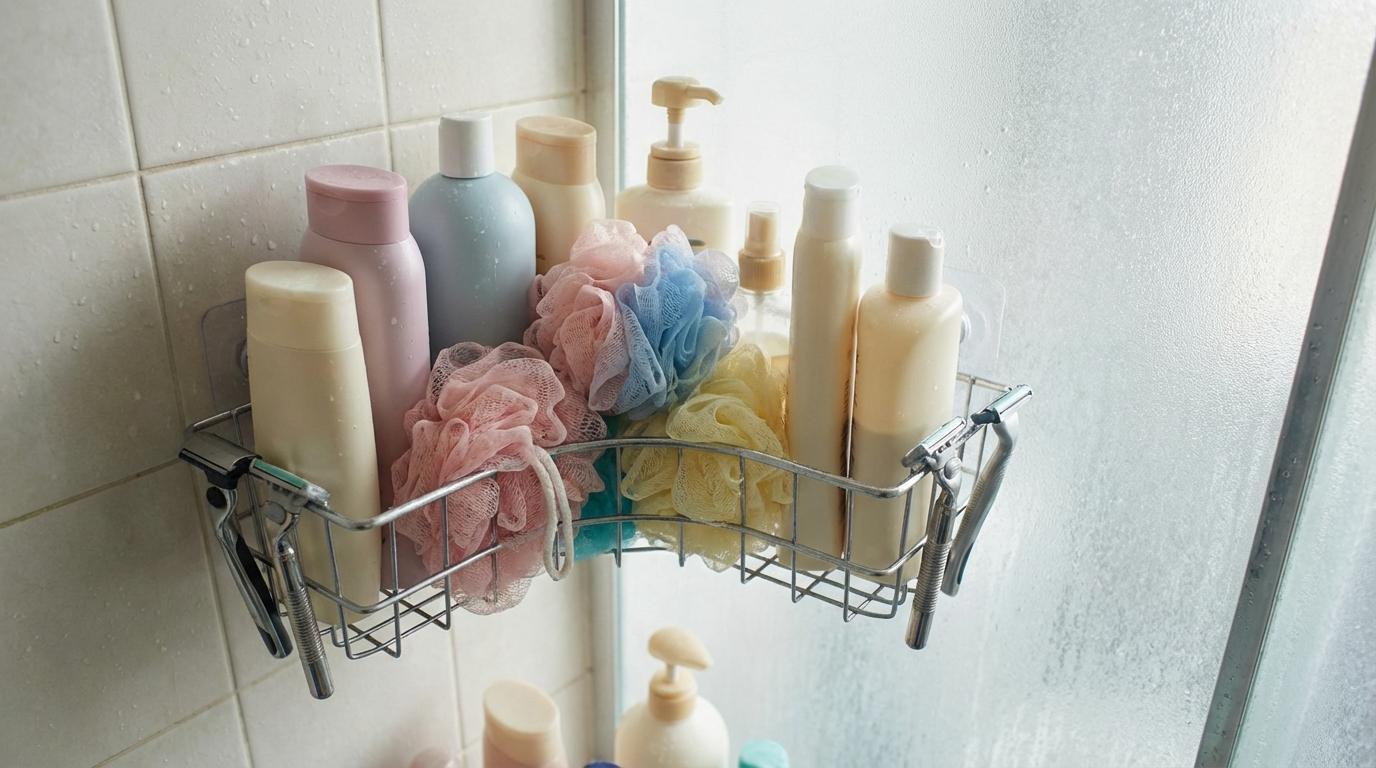
Sodium lauryl sulfate sits at the top of most body wash ingredient lists. It’s also one of the primary culprits behind back and chest breakouts that seemingly appear out of nowhere.
Body acne operates by the same basic rules as facial acne: clogged pores, excess sebum, bacteria, inflammation. But the products we use below the neck rarely get the same scrutiny as our carefully curated facial routines. Big mistake.
Sulfates and Skin Barrier Damage
Sodium lauryl sulfate (SLS) and sodium laureth sulfate (SLES) create that satisfying lather we associate with “clean.” They’re cheap, effective degreasers. They’re also notorious for stripping the skin barrier.
When your skin barrier is compromised, everything goes sideways. Your skin overproduces oil to compensate for the stripping. That excess oil clogs pores. Meanwhile, your damaged barrier can’t fight off acne-causing bacteria as effectively. Inflammation increases. Breakouts follow.
The back and chest are particularly vulnerable because they have higher concentrations of sebaceous glands than most body areas. Aggressive cleansing makes an already oily situation worse.
Heavy Moisturizing Formulas
The other extreme causes problems too. Ultra-rich body washes marketed as “moisturizing” or “creamy” often contain comedogenic ingredients that acne-prone skin can’t handle.
Neck Acne covers this too.
Common offenders include:
- Coconut oil and derivatives (highly comedogenic for many people)
- Shea butter in high concentrations
- Mineral oil at the top of the ingredient list
- Isopropyl myristate
These ingredients work fine for dry skin on your arms and legs. On your back and chest where pores clog easily? They create a film that traps oil and debris. If you’ve ever noticed more bacne after switching to a “nourishing” body wash, this is likely why.
Fragrance: The Hidden Irritant
That tropical mango scent or fresh ocean breeze fragrance isn’t free. Synthetic fragrances are complex chemical mixtures that frequently irritate skin and trigger inflammation.
Inflammation is one of the four factors in acne formation. Consistently irritating your skin with fragrance keeps inflammatory processes active, making breakouts more likely and existing ones slower to heal.
The problem compounds because most mainstream body washes contain significant amounts of fragrance. It’s listed vaguely as “fragrance” or “parfum” and can contain dozens of individual irritating compounds. Byrdie’s fragrance guide covers why dermatologists increasingly recommend fragrance-free options for reactive skin.
Related: routine mistakes.
What Actually Works for Acne-Prone Bodies
Look for body washes with these characteristics:
Gentle surfactants. Sodium cocoyl isethionate, cocamidopropyl betaine, and decyl glucoside clean effectively without the aggressive stripping of SLS. Your skin stays clean but not compromised.
Acne-fighting actives. Salicylic acid body washes exist and they’re worth using. The BHA penetrates into pores to dissolve the oil and dead skin cells clogging them. If you’re dealing with active bacne, understanding how salicylic acid compares to benzoyl peroxide helps you pick the right approach.
Non-comedogenic formulas. Skip the shea butter body washes for your acne-prone areas. Lighter hydrating ingredients like glycerin and hyaluronic acid provide moisture without pore-clogging risk.
Fragrance-free options. Boring? Maybe. Effective? Absolutely. Vanicream, CeraVe, and Free & Clear make solid fragrance-free body washes that won’t aggravate breakouts.
Application Matters Too
Even the right body wash can cause problems with wrong technique.
Rinse your conditioner thoroughly before washing your body. Hair products sliding down your back leave residue that clogs pores. Condition your hair, clip it up, then wash your back last.
Use a clean washcloth or silicone scrubber instead of loofahs. Loofahs harbor bacteria and can be too abrasive for acne-prone skin. Replace or sanitize whatever you use regularly.
Don’t scrub aggressively thinking you’ll “clean out” the acne. You’ll just irritate your skin and spread bacteria around. Gentle pressure, let the product do the work.
Reading Labels for Better Choices
Before buying, flip the bottle and check the first five ingredients. They make up the bulk of the formula. You want to see:
- Water (always first)
- Gentle surfactants (the names mentioned earlier)
- Humectants like glycerin
You don’t want to see:
- SLS/SLES in positions 2-3
- Heavy oils or butters high on the list
- Fragrance in the first half
For a more detailed breakdown of how to decode what’s actually in your products, this ingredient list guide walks through the process.
Making the Switch
Changing body wash won’t clear bacne overnight. Your skin needs time to recover from barrier damage if you’ve been using harsh sulfates. Expect 4-6 weeks before seeing real improvement.
If you’re still breaking out after switching to appropriate products and cleaning up your shower routine, the issue might be elsewhere. Fabric softener residue on sheets, sweaty gym clothes worn too long, or backpack straps rubbing against skin all contribute to body acne. The body wash is just one piece.
But it’s a significant piece. That daily lather touches your skin every single day. Getting it right removes a consistent source of irritation and comedogenic exposure. Sometimes that’s enough to finally get bacne under control.