
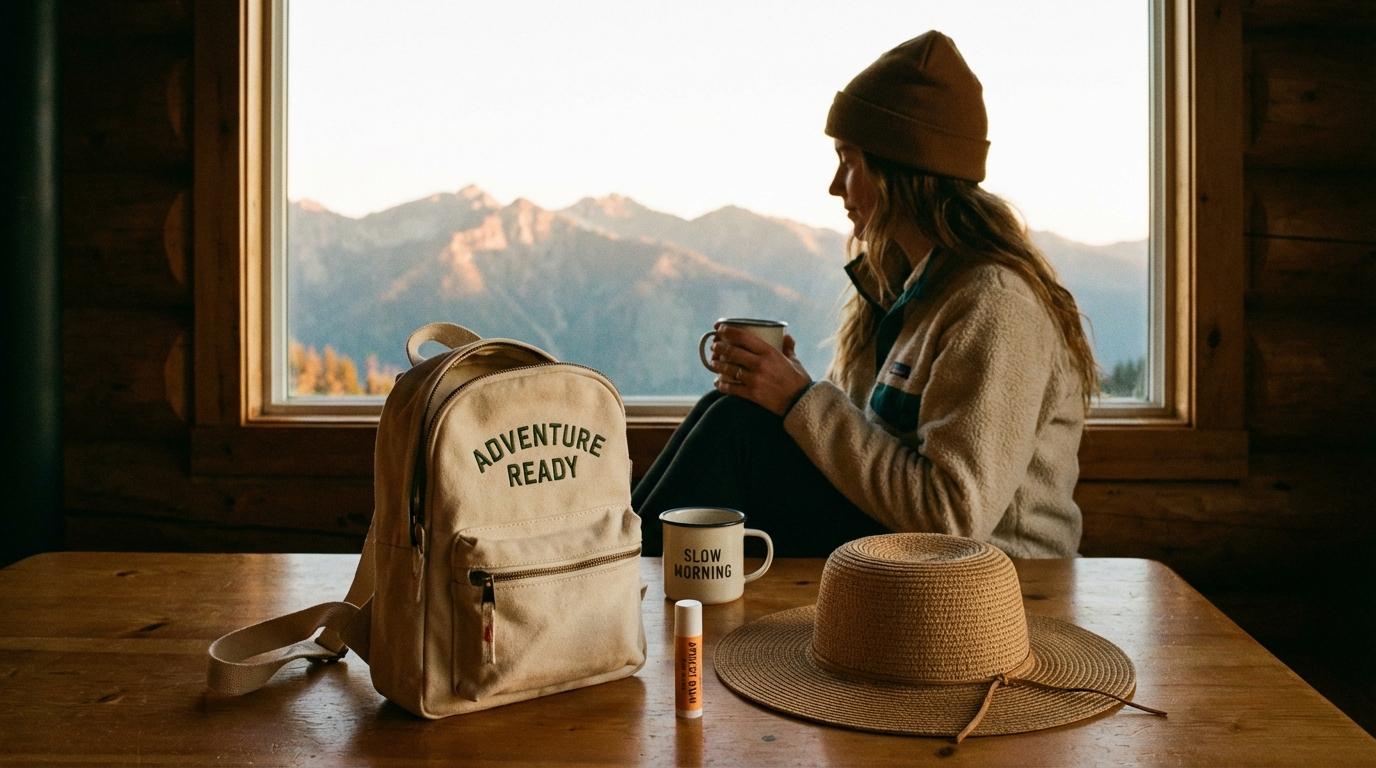
I got the worst sunburn of my life on a cloudy hiking day in Colorado. I didn’t even think I needed much sunscreen because the sky was gray and the temperature was cool. Turns out, I had no idea how altitude actually works.
Mountain hiking requires a completely different approach to skin protection than anything you do at sea level. The air is thinner, the UV is stronger, and conditions are harsh in ways that don’t feel obvious until your face is paying for it later.
Why Altitude Changes Everything
Here’s the number that wrecked my understanding of sunscreen: for every 1,000 feet of elevation gain, UV radiation increases by approximately 10-12 percent. That means if you’re hiking at 10,000 feet, you’re getting nearly 50 percent more UV exposure than you would at the beach.
The atmosphere is thinner up there, so fewer UV rays get filtered out before reaching your skin. Add snow or light-colored rock that reflects radiation back up at you (up to 90 percent reflection from snow versus 17 percent from grass), and you’re getting hit from multiple angles.
Cool temperatures make it worse in a sneaky way. When you don’t feel hot, you don’t think about sun damage. But UV rays don’t care about temperature. They’re doing the same damage whether you’re sweating in a tank top or bundled up in layers.
Sunscreen Has to Be Different
I used to grab whatever SPF 30 was on sale for hiking. That was a mistake. According to dermatology guidelines, you should increase SPF as you increase elevation. A 2018 study done in Vail actually found that SPF 100+ was significantly more effective than SPF 50+ in real mountain conditions.
What works for high altitude:
- SPF 50 or higher, with SPF 100+ for snow conditions
- Mineral sunscreens with zinc oxide or titanium dioxide (they physically block rays instead of just absorbing them)
- Water-resistant formulas that won’t slide off when you sweat
- Moisturizing ingredients like glycerin or hyaluronic acid to counter the dry air
Reapply every two hours without fail. More often if you’re sweating heavily or it’s a longer trek. I keep a sunscreen stick in my hip belt pocket because it’s way easier to use than digging out a bottle and removing gloves.
The Dry Air Problem
Mountain air is significantly drier than sea level air. This pulls moisture directly out of your skin and weakens the stratum corneum, which is the outermost protective layer. You might not notice during the hike when adrenaline and scenery have your attention. But by evening, your face feels tight and looks flaky.
A few days of high altitude hiking without adjusting your skincare can leave your skin barrier pretty compromised. The combination of wind, dry air, and intense UV is a lot for your face to handle.
For multiday trips, I bring:
- A gentle, non-foaming cleanser (something with cream or milk texture)
- A heavier moisturizer than I’d use at home
- A hydrating serum if I have room in my pack
- Petroleum jelly or a thick balm for lips and any raw patches
Weight matters when you’re carrying everything on your back, so I decant products into tiny containers. But I don’t skip the moisturizer. Dried-out skin at altitude gets damaged faster.
Wind Protection is Underrated
Wind strips moisture from your skin and intensifies cold damage. Even when temperatures are mild, sustained wind exposure can leave your face chapped and irritated.
Physical protection helps more than products here. A buff or gaiter that you can pull up over your nose and cheeks blocks wind exposure completely. Wide-brimmed hats or baseball caps with ear flaps protect areas that sunscreen misses.
The tops of ears, back of neck, and under your chin are spots people forget. Sunscreen wears off these areas first because of straps, collars, and sweat. A physical barrier takes the pressure off having perfect sunscreen application.
What to Pack (Without Overloading)
Budget-friendly mountain skincare kit:
- Mineral sunscreen SPF 50+ (1-2 oz is plenty for most trips)
- Sunscreen stick for reapplication (easier than liquid, doesn’t leak)
- SPF lip balm (your lips will crack without it)
- Travel-size gentle cleanser
- Sample-size rich moisturizer
- Small pot of petroleum jelly or Aquaphor (multi-purpose for lips, cuticles, chapped spots)
- Buff or face covering
- Sunglasses with UV400 protection
You can get most of this at the drugstore. CeraVe, Vanicream, and La Roche-Posay make solid affordable options. For sunscreen, I like mineral sticks because they’re easy to throw in a pocket and don’t require clean hands to apply.
Pre-Trip Skin Prep
The week before a mountain trip isn’t the time to try new active ingredients. Skip retinol, strong acids, and anything that makes your skin more sensitive to sun. Your face needs to go into the mountains with a strong, intact barrier.
Focus on hydration in the days leading up. Layer a hydrating toner under your moisturizer. If your skin tends toward dry, add a facial oil at night. You’re basically trying to bank moisture before you go somewhere that’s going to pull it out.
If you’ve been using actives regularly and don’t want to stop completely, at least dial back. Use retinol every other night instead of every night. Skip the AHA toner. Give your skin a break from anything that could compromise how well it handles stress.
After the Hike Recovery
Getting back to lower elevation doesn’t mean your skin immediately recovers. The damage from UV exposure, wind, and dryness takes time to heal.
Post-trip, baby your face. Gentle cleanser only, maybe skip cleansing entirely if you didn’t wear makeup or heavy sunscreen. Rich moisturizer, maybe layered twice. Soothing ingredients like aloe, centella, or oat extract help if you’re dealing with any irritation or mild burn.
Wait at least a few days before reintroducing strong actives. Let your barrier rebuild first. If you got any actual sunburn, that healing needs to happen before you put anything potentially irritating on your skin.
The Bigger Picture
The Skin Cancer Foundation says just five or more sunburns in a lifetime doubles your risk of melanoma. That sounds like a lot until you realize how easy it is to burn at altitude without even noticing it happening.
I do regular skin checks now, paying attention to spots that get repeated sun exposure from hiking: ears, nose, cheeks, back of neck. Hiking is worth it for my mental health, but I’m not trying to pay for it with my skin health long-term.
The prep and protection add maybe five minutes to my morning routine on trail. That’s a small price for being able to keep hitting the mountains without compounding damage every trip.