
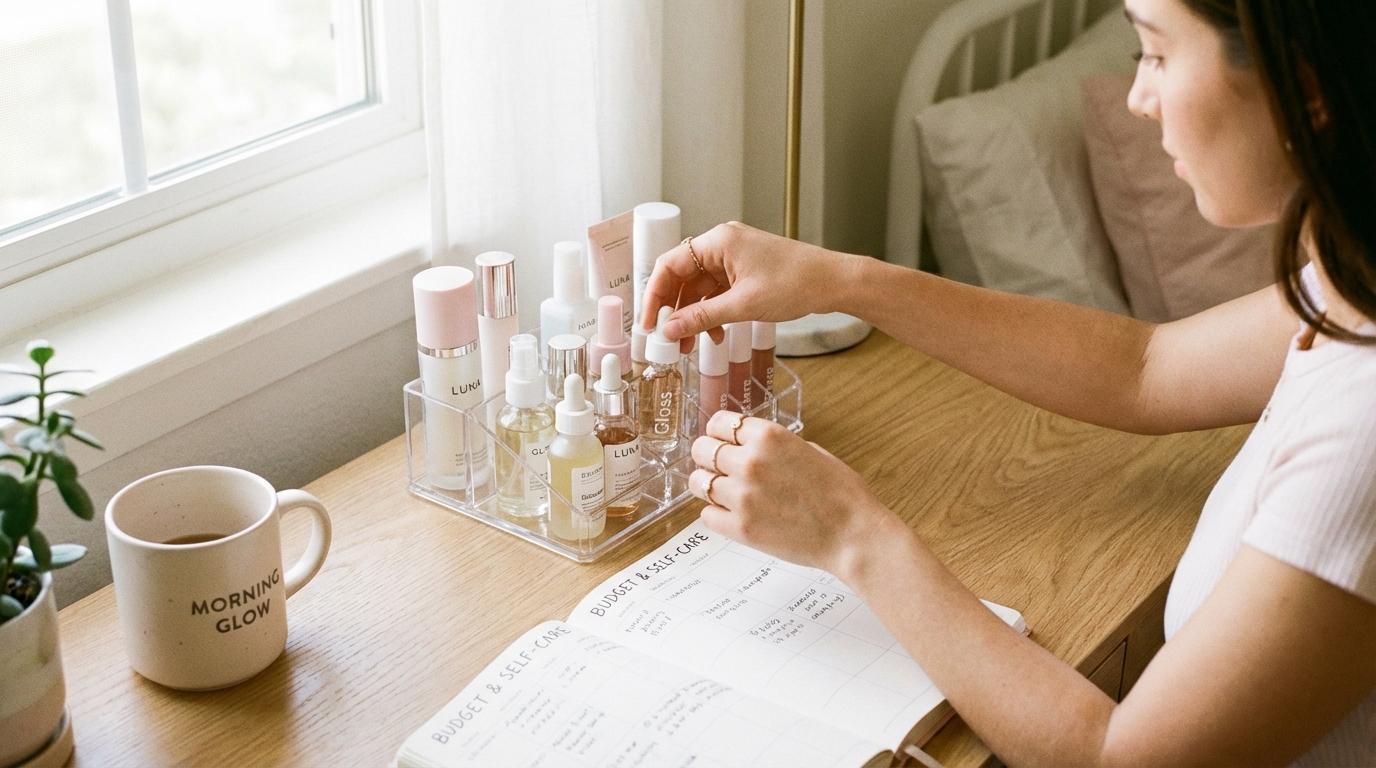
I once spent $68 on a serum I used exactly twice before realizing it made my skin feel like plastic wrap stretched too tight. That was the last time I bought a full-size product without testing it first, and honestly, it should’ve been the first time I learned that lesson.
Testing products before committing to full-size versions isn’t just smart—it’s the difference between building a routine that works and having a bathroom cabinet full of expensive regrets. The skincare industry knows most people won’t return products even when they hate them, which is exactly why they make it so easy to drop $50-80 on something that might be completely wrong for your skin.
Here’s how to actually test products without wasting money on bottles you’ll never finish.
Sample Programs Are Your Best Friend
Sephora’s free sample program is probably the most underused resource in beauty retail. Every time you make a purchase (any purchase, even if it’s just a $5 sheet mask), you get to pick three free samples. If you’re strategic about this, you can try high-end serums, moisturizers, and treatments without spending a cent beyond whatever you were already buying.
The samples are usually 0.5-1ml packets, which doesn’t sound like much, but for most products that’s enough for 2-3 applications. That’s legitimately enough time to see if something breaks you out, irritates your skin, or feels disgusting under makeup.
Ulta does something similar, though their sample selection varies by store. The advantage at Ulta is that their employees will often make you samples of products that aren’t in the official sample program if you ask nicely. I’ve gotten week-long supplies of $80 moisturizers just by asking if they could make me a sample to try before buying.
Department store beauty counters (Nordstrom, Macy’s, Bloomingdale’s) are even more generous with samples, especially if you’re genuinely interested in purchasing. I’ve walked out with enough samples to test products for two weeks. The key is being honest—tell them you’re interested but want to make sure it works with your skin before committing to the full size.
Dermatologist offices often have sample sizes of prescription-strength products and medical-grade skincare. If you’re already paying for an appointment, ask what samples they have available. I’ve gotten samples of products I never would’ve tried otherwise, and some of them ended up being worth purchasing.
Travel Sizes Are Underrated Testing Tools
Travel sizes used to be a terrible deal—you’d pay half the price of a full-size product for a quarter of the actual product. But brands have figured out that travel sizes sell, and the pricing has gotten way more reasonable.
For a lot of products now, the per-ounce cost of a travel size is only slightly higher than the full size, and sometimes it’s exactly the same. I’ve found travel-size moisturizers that are 40% of the full-size volume for 40% of the price. That’s not a markup—that’s just buying exactly what you need to test something properly.
The real value in travel sizes is that they give you 2-4 weeks of use, which is the minimum amount of time you need to actually know if a product works. A couple of sample packets might tell you if something irritates your skin immediately, but they won’t tell you if it causes congestion after a week or if it actually improves your skin over time.
Products worth buying in travel size for testing: cleansers, moisturizers, and serums. You’ll use them up quickly enough to know if they’re worth repurchasing, and if you hate them, you’re only out $10-20 instead of $40-80.
Products not worth buying in travel size: sunscreen and makeup remover. You go through these too fast, and the travel sizes run out before you’ve really tested whether the formula works for you long-term. Just commit to a budget-friendly full size instead.
Return Policies You Should Actually Use
Sephora’s return policy is 60 days, used or not, with a receipt. Ulta’s is the same. Target gives you 90 days. These policies exist specifically so you can try products and return them if they don’t work, but most people feel too awkward to actually do it.
I’ve returned half-used products to Sephora multiple times, and nobody has ever made me feel weird about it. The person at the register doesn’t care—they’re processing returns all day. If a $55 night cream breaks you out after two weeks, you should return it. That’s what the policy is for.
The trick is keeping your receipt and the original packaging. I take a photo of my receipt right after buying something new and keep the box until I’m sure I’m keeping the product. If it doesn’t work, I bring it back within the return window, explain that it didn’t work for my skin, and get my money back.
Ulta’s return policy is especially generous because they take returns even without a receipt if you’re a rewards member (they look up your purchase history). I’ve returned products I bought months earlier and completely forgot about until I found the half-empty bottle in the back of my cabinet.
The only retailer I’ve had issues with is Amazon. Their return policy for beauty products is inconsistent—sometimes they’ll take it, sometimes they won’t. I’ve stopped buying skincare from Amazon unless it’s something I’ve already tried and know I like.
Subscription Boxes for Targeted Testing
Subscription boxes used to be a good way to try new products, but most of them have turned into marketing channels for brands nobody actually wants. The boxes that are still worth it are the ones that let you choose your products or customize based on your skin concerns.
Ipsy’s Glam Bag Plus ($30/month) lets you pick three of the five products you receive, and the full-size value is usually around $100-150. If you’re strategic about choosing products you were already considering buying, it’s basically a way to test them at a steep discount.
Allure Beauty Box ($23/month) doesn’t let you customize, but they include full-size products from reputable brands. I’ve gotten full-size serums, masks, and treatments that would’ve cost $40-60 individually. The downside is you can’t control what you get, so you’ll probably get some products you don’t want.
The best use of subscription boxes is subscribing for 2-3 months when they’re featuring products you actually want to try, then canceling before they start sending random stuff. Don’t treat it like a permanent subscription—treat it like a testing service you use occasionally.
Deluxe Samples and Bonus Deals
The “free gift with purchase” promotions that Sephora and department stores run are often better than the products you’re actually buying. During promotional periods, you’ll see offers like “spend $50 and get a 7-piece sample set” or “free deluxe sample with any foundation purchase.”
I plan my purchases around these promotions. If I need to restock something I use regularly anyway, I wait until there’s a good gift-with-purchase offer and then buy it. The samples I get are often products I’ve been curious about but wouldn’t buy full-size without testing.
Deluxe samples are bigger than foil packets (usually 5-15ml) but smaller than travel sizes. They’re the perfect size for testing a serum or eye cream over 2-3 weeks. For moisturizers, you might even get through an entire testing period before the sample runs out.
Nordstrom’s Anniversary Sale and Sephora’s Holiday Bonus are the two biggest events for this. The gifts-with-purchase during these sales are legitimately good—full-size products, large deluxe samples from high-end brands, and sets that would cost $100+ if you bought them separately.
Beauty Retailer Loyalty Programs
Ulta’s rewards program gives you points on every purchase, and those points convert to dollars off future purchases. But the real advantage is the bonus point events—during 5x or 10x point promotions, you can rack up enough points to get $50-100 off, which makes testing expensive products way more affordable.
I’ve used Ulta points to buy full-size versions of products I tested via samples and loved. Instead of paying $70 for a serum, I pay $20 after points. That’s low enough that even if I end up not loving it long-term, I’m not furious about the purchase.
Sephora’s rewards program is less useful for discounts, but you can redeem points for deluxe samples of products you want to try. A 100-point reward gets you a sample that would normally require a $50 purchase, and a 500-point reward gets you something closer to a travel size.
The strategy here is saving your points for high-end products you’re curious about but would never buy full-price. I’ve redeemed points for samples of $150 serums and $200 eye creams that I absolutely would not have tested otherwise. Some of them were amazing and worth saving up for; most of them were overhyped garbage that I’m glad I didn’t pay for.
When to Just Buy the Full Size
There are some products where testing via samples doesn’t make sense, and you’re better off just committing to a budget-friendly full-size version.
Cleansers are one category where samples are almost useless. You need to use a cleanser for at least a week to know if it’s stripping your skin or leaving residue, and most samples run out after 2-3 uses. For cleansers, I just buy affordable full-size options from brands like CeraVe, Vanicream, or Neutrogena. If I hate it, I’m only out $10-15.
Sunscreen is another product where samples don’t work. You need to use a lot of sunscreen every day to test whether it pills under makeup, leaves a white cast, or causes breakouts. Buy a budget sunscreen you can afford to use generously, and if it doesn’t work, move on to the next one.
Basic moisturizers are also better to just buy full-size if you stick to affordable brands. A $15 CeraVe moisturizer will last you 2-3 months, and if it doesn’t work, you’ve spent less than you would’ve on a travel size of a luxury brand.
External Resources for Research
Before you even start testing products, do your research. Reddit’s SkincareAddiction community has reviews from people with every skin type and budget. Search for the product you’re considering and read through the experiences people have posted. You’ll quickly figure out if something is universally loved, universally hated, or only works for specific skin types.
INCIDecoder is a free ingredient analysis tool that breaks down what’s actually in a product and whether the ingredient list matches the marketing claims. If a product claims to be anti-aging but doesn’t have any proven anti-aging ingredients in effective concentrations, you’ll know before you waste money testing it.
Testing Smart vs Testing Everything
The point of testing products isn’t to try every new launch or sample everything you see. The point is to avoid spending money on full-size products that won’t work for you.
Before requesting a sample or buying a travel size, ask yourself: Would I actually buy the full-size version of this if I loved it? If the answer is no because it’s too expensive or because you already have something similar that works, don’t bother testing it. You’re just creating clutter and decision fatigue.
Focus your testing on products that would genuinely improve your routine if they worked. That’s how you build a routine of products you actually use instead of a collection of half-empty bottles you feel guilty about.