
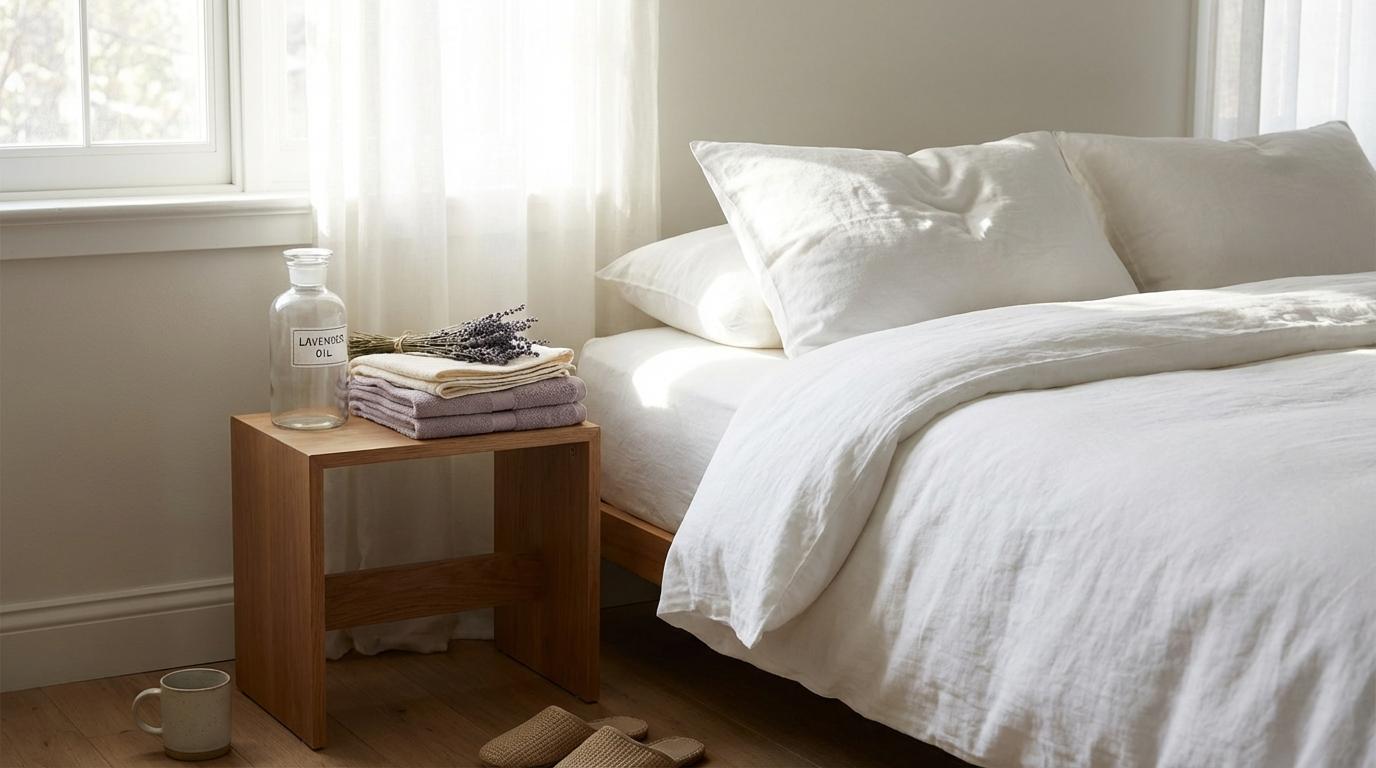
Every night while you sleep, your pillowcase is quietly collecting a microscopic cocktail of sebum, dead skin cells, sweat, and product residue that accumulates with each passing hour. For those of us who care about skin health, this isn’t just a laundry concern; it’s a legitimate skincare variable that can influence everything from acne frequency to how well your expensive serums actually perform. Let me walk you through the science of pillowcase hygiene and exactly how to optimize your washing routine for clearer, happier skin.
Why Your Pillowcase Actually Matters for Skin Health
Your face spends roughly 6-9 hours pressed against fabric every single night. During this time, transepidermal water loss (TEWL) occurs naturally, and your skin continues its normal processes of shedding corneocytes and producing sebum. A study published in the Journal of Applied Microbiology found that pillowcases can harbor significant bacterial populations, including Staphylococcus aureus and Propionibacterium acnes, both of which are implicated in inflammatory skin conditions.
Think of your pillowcase as a petri dish that gets a fresh inoculum every night. The warm, slightly moist environment created by your body heat and breath provides ideal conditions for microbial growth. If you’re dealing with acne or have a compromised skin barrier, sleeping on a dirty pillowcase is essentially reintroducing irritants and bacteria to your face repeatedly.
Wash Frequency Guidelines: What Science Suggests
The general recommendation from dermatologists is to change your pillowcase every 2-3 days if you’re acne-prone, and at least weekly for those with relatively clear skin. But here’s why this matters biochemically: sebum oxidation begins within hours of being deposited on fabric. Oxidized sebum is more comedogenic than fresh sebum, meaning that week-old pillowcase grime is actually more likely to clog your pores than yesterday’s.
I personally keep a rotation of about seven pillowcases. It sounds excessive until you realize that throwing a clean one on takes about ten seconds, while dealing with a breakout takes days of targeted treatment. The math just works out better.
If you live in a humid climate or tend to sweat at night, you might want to increase your frequency even further. Research on textile contamination shows that moisture dramatically accelerates bacterial proliferation in fabrics. Those of us in tropical climates or those who run hot at night should consider changing pillowcases every other day.
Detergent Choices That Actually Make a Difference
Not all laundry detergents are created equal when it comes to skin contact. The main categories to consider are fragranced vs. fragrance-free, standard vs. hypoallergenic, and conventional vs. enzyme-based formulas.
Fragrance: The Hidden Irritant
Fragrance compounds in detergents are among the most common causes of contact dermatitis. Even if you don’t have sensitive skin, synthetic fragrances can be mildly irritating over long periods of sustained contact. Since your face is pressed against your pillowcase for hours, any fragrance residue has plenty of time to potentially cause issues. If you’re following an eczema-friendly skincare routine or have reactive skin, fragrance-free detergent is non-negotiable.
Look for products labeled “free and clear” or specifically marked as fragrance-free. Note that “unscented” isn’t the same thing; unscented products may contain masking fragrances that neutralize odors without technically adding a scent.
Enzyme-Based Detergents: The Science Behind the Clean
Enzyme-based detergents contain biological catalysts (typically proteases, lipases, and amylases) that break down specific types of organic matter. Proteases target protein-based stains like sweat and skin cells, while lipases specifically degrade lipids, including the sebum on your pillowcase. These enzymes work at relatively low temperatures, making them effective even in cold or warm water cycles.
A comparative study on detergent efficacy found that enzyme-containing formulas removed significantly more organic residue from textiles than non-enzymatic alternatives. For pillowcases specifically, this matters because you want to remove the sebum and skin cells that bacteria feed on, not just mask odors or add fragrance.
How Much Detergent to Use
More isn’t better with laundry detergent. Excess detergent leaves residue on fabrics, which can then transfer to your skin. Most of us significantly overuse detergent; the recommended amount is usually about 2 tablespoons for a full load, and your pillowcases are likely part of a mixed load anyway. Using too much creates a film on fabrics that can trap dirt in future washes and irritate skin.
The Fabric Softener Question
Here’s where I might make some enemies: fabric softener on pillowcases is generally not a great idea for skin health. Conventional fabric softeners work by depositing a thin layer of cationic surfactants and quaternary ammonium compounds onto fabric fibers. This coating makes fabrics feel softer and reduces static, but it also creates a waxy film that can transfer to your skin.
This residue is particularly problematic for acne-prone skin because it can be comedogenic. Additionally, most fabric softeners are heavily fragranced, compounding the potential for irritation. If you absolutely need some softening action, consider adding white vinegar to your rinse cycle instead. Vinegar (acetic acid) helps break down detergent residue without leaving its own film behind, and the smell dissipates completely during drying.
Dryer sheets present similar concerns. They’re essentially fabric softener in solid form and deposit the same types of compounds onto your fabrics. If you’re trying to optimize your pillowcase routine for skin health, skip both the liquid softener and dryer sheets.
Water Temperature: Hot vs. Cold
The temperature debate is nuanced. Hot water (above 60 degrees C or 140 degrees F) is more effective at killing bacteria and dust mites. This matters if you have allergies or are concerned about microbial load. However, hot water can also degrade certain fabrics faster and uses more energy.
For cotton pillowcases, hot water is generally fine and offers the most thorough sanitation. For silk or delicate synthetic blends, warm water (30-40 degrees C) combined with adequate detergent is usually sufficient. The mechanical action of the washing machine itself helps remove contaminants even at lower temperatures.
If you’re immunocompromised or dealing with a skin infection, hot water washing is worth the extra energy cost. For routine maintenance with healthy skin, warm or even cold water with a good enzyme detergent will do the job.
Pillow Material Considerations
Your pillowcase material affects both how much residue accumulates and how easy it is to clean.
Cotton
Cotton is the most common pillowcase material and strikes a good balance between affordability, durability, and washability. It’s absorbent, which means it will pull some moisture and oil from your skin overnight. This can be positive (keeping your face drier) or negative (potentially removing beneficial products). Cotton tolerates hot water washing well and can be bleached if needed.
Thread count matters less than you might think. Higher thread count doesn’t necessarily mean better for skin; it just means denser weave. Some people find that very high thread count cotton (600+) doesn’t breathe as well, leading to more sweating and potentially more bacterial growth.
Silk
Silk has become trendy in skincare circles, and there’s some science behind the hype. Silk proteins (sericin and fibroin) are less absorbent than cotton, meaning your nighttime skincare products stay on your face rather than soaking into the pillow. Silk is also naturally antimicrobial to some degree and creates less friction, which can be beneficial if you’re worried about sleep wrinkles or hair damage.
The downside is that silk requires more careful washing. It cannot tolerate hot water or harsh detergents. Use a pH-neutral, enzyme-free detergent and wash on a delicate cycle with cold water. Air drying is preferred. The higher maintenance is the trade-off for the skincare benefits.
Synthetic Fibers (Polyester, Microfiber)
Polyester and microfiber pillowcases are budget-friendly and quick-drying, but they’re also less breathable than natural fibers. This can lead to more sweating and a warmer sleep environment, which promotes bacterial growth. On the positive side, synthetics are easy to wash and dry quickly.
If you use synthetic pillowcases, consider washing them more frequently than you would cotton. They may not feel dirty as quickly because they don’t absorb as much, but surface contamination can still accumulate.
Bamboo
Bamboo viscose has gained popularity as a “natural” alternative that’s softer than cotton. It does have some antimicrobial properties and is reasonably breathable. However, the manufacturing process to convert bamboo into viscose is quite chemical-intensive, so the “natural” marketing is somewhat misleading. That said, bamboo viscose pillowcases wash well and are generally skin-friendly.
The Drying Process
How you dry your pillowcases matters too. Machine drying on high heat provides additional sanitization, effectively killing any bacteria that survived the wash cycle. The heat also helps remove any remaining moisture that could promote mold or mildew growth in stored linens.
If you line dry your pillowcases, ensure they’re completely dry before use. Putting on a slightly damp pillowcase creates that warm, moist environment we talked about earlier. UV exposure from sun drying does have some sanitizing effects, which is a bonus if you have outdoor drying space.
Practical Tips for Better Pillowcase Hygiene
Beyond the basics of washing frequency and detergent choice, here are some additional strategies:
Flip your pillow nightly. Most pillows have two usable sides. By flipping your pillow each night, you effectively double the time between needed pillowcase changes.
Remove makeup thoroughly before bed. Foundation and other makeup products accelerate pillowcase contamination significantly. Even if you’re too tired for a full routine, at least use a micellar water or cleansing wipe. This is especially important if you’re concerned about urban pollution and the particles it deposits on your skin throughout the day.
Tie back long hair. Hair products like oils, serums, and leave-in conditioners transfer to your pillowcase and can end up on your face. A loose braid or silk scrunchie keeps hair off your face and off your pillow.
Keep a pillowcase stash. Having multiple clean pillowcases ready makes frequent changes much easier. Store them somewhere easily accessible, not buried in a linen closet.
Consider your sleep position. Side and stomach sleepers have more face-to-pillow contact than back sleepers. If you can’t train yourself to sleep on your back, be extra vigilant about pillowcase cleanliness.
When Clean Pillowcases Aren’t Enough
If you’re doing everything right with your pillowcase hygiene and still dealing with one-sided breakouts or morning skin issues, the problem might be elsewhere. Consider:
- Your phone. If you talk on the phone frequently, that surface is probably dirtier than your toilet seat. Clean it daily with an alcohol wipe.
- Your hands. Do you sleep with your hands near your face? Hand contamination is a major acne contributor.
- Your pillow itself. Pillowcases protect pillows, but over years of use, pillows accumulate dust mites, dead skin cells, and other allergens. Consider replacing your pillow every 1-2 years.
- Environmental factors. Air quality, humidity, and even your bedmate’s products can affect your skin overnight.
The Bottom Line
Optimizing your pillowcase routine is one of those small changes that can have outsized effects on your skin. The combination of washing every 2-3 days (or weekly at minimum), using fragrance-free enzyme-based detergent, skipping fabric softener, and choosing appropriate pillow materials creates an environment that supports rather than sabotages your skincare efforts.
Is it a magic solution that will cure all your skin woes? No. But it’s a scientifically-backed hygiene practice that removes one potential source of irritation and bacterial exposure. When you’re trying to get your skin to cooperate, eliminating variables one by one is often the most effective approach. Your pillowcase is an easy variable to control.
Start with the basics: wash more frequently with the right detergent, ditch the fabric softener, and pay attention to how your skin responds. Sometimes the simplest adjustments make the biggest difference.