
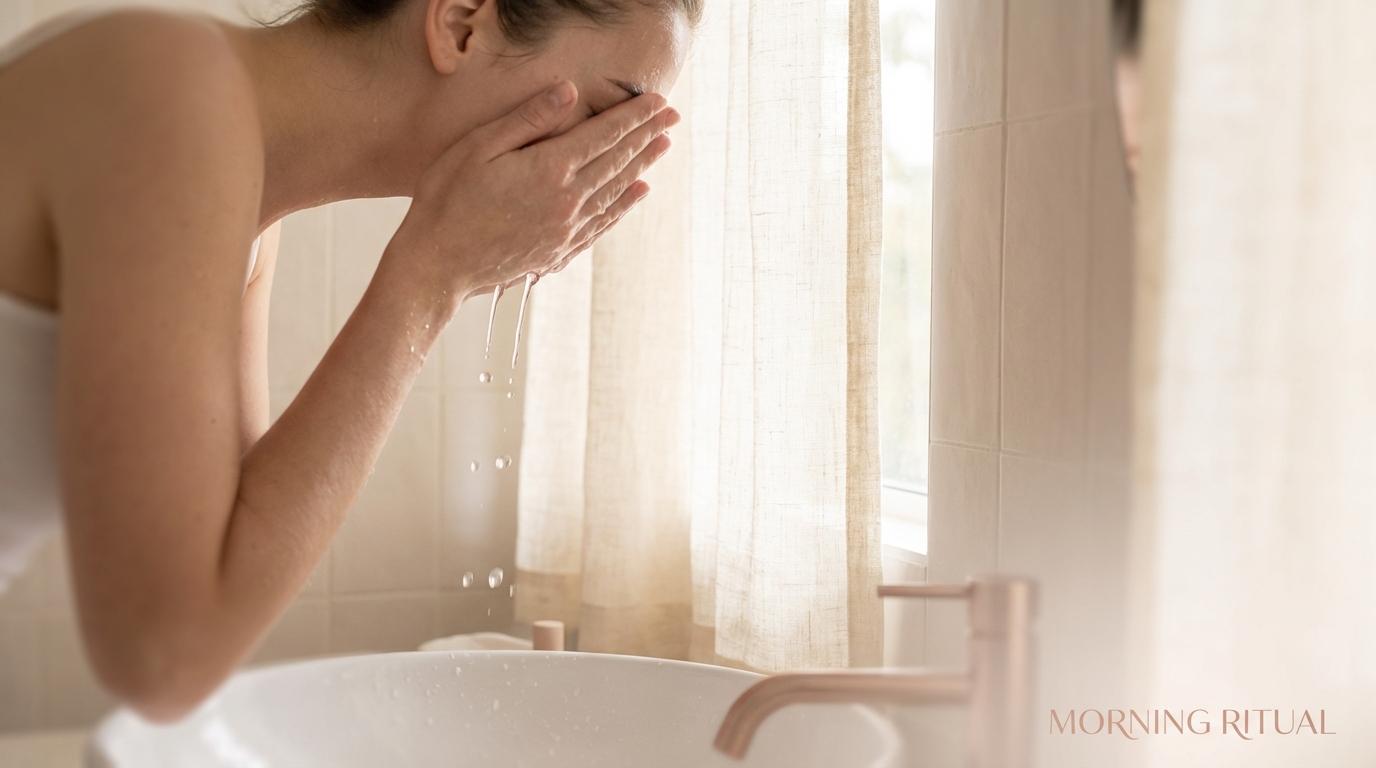
Micellar water sits in a unique space in skincare. Neither quite a cleanser nor simply water, this gentle product has become a staple for people who want effective makeup removal without the harshness that often triggers breakouts. For those with acne-prone skin, understanding how micellar water works and where it fits in your routine can make a meaningful difference in how your skin behaves.
The beauty of micellar water lies in its simplicity. But that simplicity requires some knowledge to use it well, especially when you’re working with skin that reacts to seemingly everything.
The Science of Micelles
Micelles are tiny clusters of molecules that have both oil-attracting and water-attracting ends. When you apply micellar water to your skin, these microscopic spheres surround and lift away oil, makeup, dirt, and debris. The oil-attracting ends grab onto the grime while the water-attracting ends allow everything to be wiped away with a cotton pad.
This mechanism makes micellar water remarkably gentle. Unlike traditional cleansers that rely on surfactants to create foam and strip oil, micellar water works through attraction rather than aggressive stripping. Your skin’s natural moisture barrier stays more intact, which matters significantly for acne-prone skin that’s often already compromised or sensitive.
The process is almost like having millions of tiny magnets sweeping across your face, picking up what shouldn’t be there without disturbing what should. This is why micellar water feels so different from other cleansing methods. There’s no tight, stripped sensation afterward.
The Rinsing Question
This is where things get contentious. Many micellar water brands market themselves as no-rinse products. You swipe, you’re done, you move on. But for acne-prone skin, this convenience might come with consequences.
Micelles are surfactants, and surfactants left on skin can potentially cause irritation over time. While the concentrations in micellar water are lower and gentler than in foaming cleansers, leaving any surfactant residue on breakout-prone skin increases the risk of triggering reactions.
Some people with resilient skin tolerate the no-rinse approach beautifully. Others find that skipping the rinse leads to small breakouts, particularly around areas where they used more product or where residue tends to accumulate, like the hairline and jawline.
The safest approach for acne-prone skin involves following micellar water with a gentle rinse of plain water or with your regular cleanser. Think of micellar water as your first cleanse rather than your only cleanse. It handles the heavy lifting of makeup and sunscreen removal. A second, quick cleanse ensures nothing problematic remains behind.
This double-cleanse approach aligns well with what dermatologists recommend for acne-prone skin anyway. Thorough cleansing without over-stripping requires balance, and using micellar water as step one provides that balance naturally.
Finding Non-Irritating Formulas
Not all micellar waters are created equal, especially for sensitive, breakout-prone skin. Some contain fragrance, alcohol, or other ingredients that can trigger irritation and subsequent breakouts. Reading ingredient lists matters here.
Fragrance appears in many micellar waters because brands want their products to smell pleasant. For acne-prone skin, fragrance is almost always unnecessary risk. Opt for fragrance-free versions when possible.
Alcohol content varies widely. Some formulas contain drying alcohols that can strip skin and trigger reactive oiliness. Others contain fatty alcohols, which are actually beneficial emollients. Learning to distinguish between them helps you make better choices.
Certain micellar waters now include added skincare actives like niacinamide, glycerin, or gentle acids. These can be beneficial, but they also complicate what should be a simple product. If your skin is easily reactive, a basic formula with minimal ingredients often works better.
Bioderma Sensibio H2O has been the gold standard for sensitive skin for years. Its formula is specifically designed to mimic skin’s natural composition. Garnier SkinActive Micellar Water in the pink cap (fragrance-free) offers a budget-friendly alternative that most acne-prone skin tolerates well. La Roche-Posay makes an excellent option for those who prefer pharmaceutical-grade formulations.
Where Micellar Water Fits in Your Routine
Placement matters. Micellar water works best as a first step, before other cleansers, and specifically in the evening when you have makeup, sunscreen, and a day’s worth of accumulation to remove.
Start with dry skin and a clean cotton pad saturated with micellar water. Gently press the pad against areas with heavy product, letting the micelles begin their work, then sweep outward. Use fresh sections of the pad or new pads as needed until the cotton comes away clean.
For eye makeup, hold a saturated pad against closed eyes for 10-15 seconds before wiping. This gives the micelles time to dissolve waterproof formulas without requiring harsh rubbing that irritates delicate eye area skin.
Follow with your regular cleanser, massaging gently to address any remaining residue and to ensure a clean slate for your treatment products. When you’re dealing with acne, making sure pores aren’t clogged with leftover product is essential. Your cleansing approach can make or break your entire routine.
In the morning, micellar water can serve as a gentler alternative to a full cleanse, especially if your skin produces minimal oil overnight. A quick swipe removes any product that migrated while sleeping without the potentially stripping effects of a morning foam cleanser.
Beyond Cleansing
Micellar water can serve purposes beyond basic cleansing in an acne-prone routine.
Correcting makeup mistakes becomes easier. If your eyeliner smudges or your foundation goes on patchy, a cotton swab dipped in micellar water allows precise correction without disturbing everything else you’ve applied.
Refreshing skin during the day, particularly on long days when you need to cleanse before an evening event but don’t have access to your full routine, micellar water provides a convenient reset. Keep a travel-size bottle in your bag for these situations.
Cleaning around the edges of fresh breakouts becomes gentler with micellar water. When you have active acne, aggressive cleansing around inflamed areas can worsen things. The gentle action of micellar water removes surface debris without the friction that can irritate already-angry spots.
Common Mistakes to Avoid
Several well-intentioned practices can undermine micellar water’s benefits for acne-prone skin.
Rubbing too aggressively defeats the purpose of using a gentle product. The beauty of micellar water is that it works through attraction, not friction. Pressing and gliding works better than scrubbing.
Using too little product means the cotton pad drags against skin, creating irritation. Saturate the pad properly so it glides smoothly.
Not using enough pads is another common issue. If your pad is visibly dirty and you keep using it, you’re just spreading that grime around. Switch to fresh pads as needed.
Assuming micellar water removes everything can lead to problems. Heavy, waterproof, or long-wear products often require a proper cleanser afterward. Micellar water does excellent work, but it has limits.
Storing bottles near heat or in direct sunlight can degrade the formula over time. Keep your micellar water in a cool, dark place to maintain its effectiveness.
Realistic Expectations
Micellar water is a cleansing tool, not an acne treatment. It won’t clear your breakouts or heal existing spots. What it does is provide a gentle, non-stripping way to remove products from your face, creating a cleaner canvas for the treatments that actually address acne.
By reducing irritation during the cleansing step, micellar water can indirectly support clearer skin. Irritation triggers inflammation. Inflammation can worsen acne. Keeping your cleansing gentle reduces one potential source of skin aggravation.
Some people find that switching to micellar water as their first cleanse results in fewer irritation-related breakouts within a few weeks. Others notice no significant difference in their acne but appreciate the gentler experience. Individual responses vary widely.
The product fits best as part of a thoughtful overall approach rather than as a solution to acne itself. Combined with appropriate treatments, consistent but gentle cleansing, and non-comedogenic products throughout your routine, micellar water plays a supportive role in managing breakout-prone skin.
Finding Your Balance
Every acne-prone person develops their own relationship with cleansing. Some need very thorough cleansing to keep pores clear. Others find that over-cleansing strips their barrier and triggers more problems.
Micellar water offers flexibility. Use it as your only evening cleanser on minimal makeup days. Use it as step one of a double cleanse when you’ve worn more product. Skip it entirely on bare-faced days if your skin does better with less manipulation.
Pay attention to how your skin responds over time. If you notice breakouts increasing after adding micellar water to your routine, try rinsing afterward more thoroughly or switching to a different formula. If your skin looks calmer and you’re experiencing less irritation-related acne, you’ve found something that works.
The gentlest approach isn’t always the right approach for everyone. But for many people with acne-prone skin who’ve struggled with harsh cleansers that leave skin tight and reactive, micellar water offers a welcome middle ground. It’s cleansing that respects your skin’s needs while still doing the job effectively.