
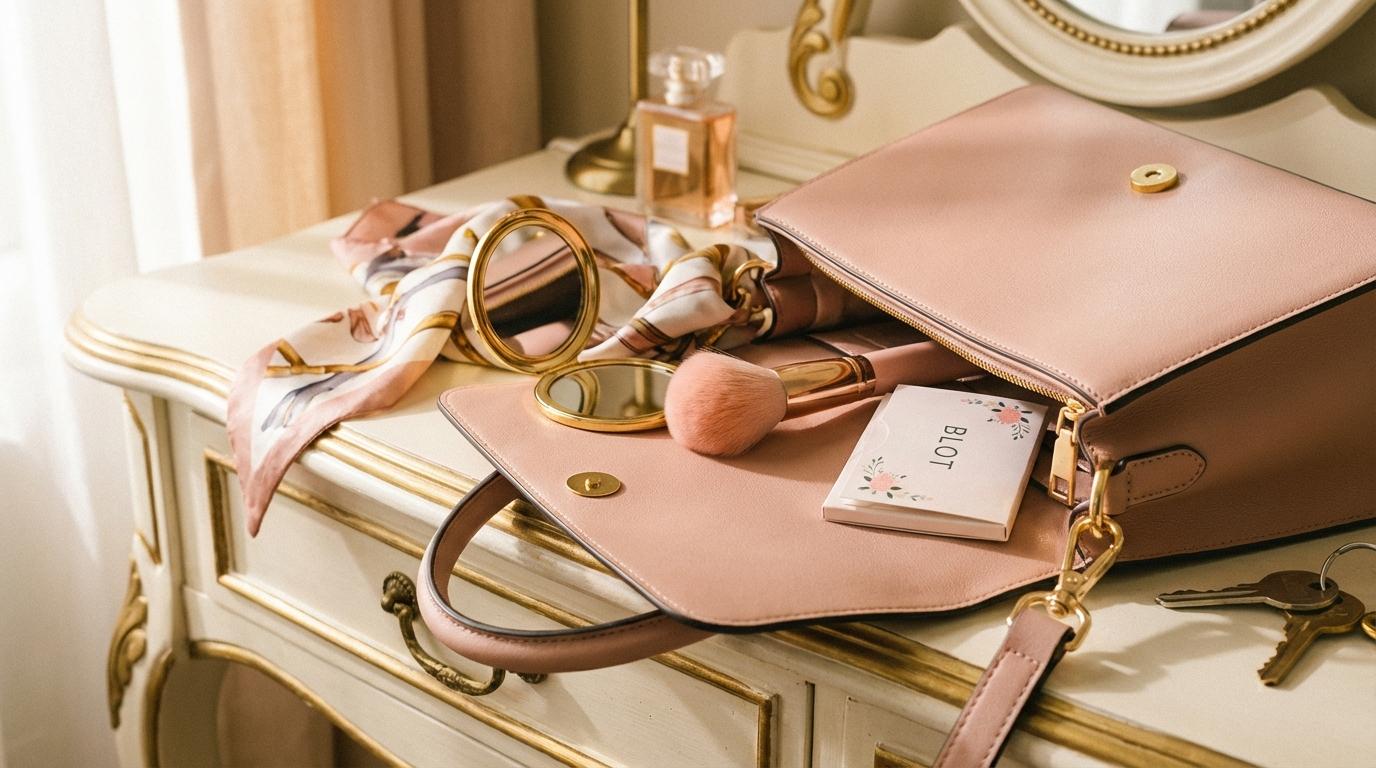
Have you ever looked in the mirror at 2pm and wondered where all that oil came from when you literally just blotted an hour ago? Same. The eternal battle against midday shine has most of us reaching for something to mattify ASAP, but the two main options (blotting papers and powder) work in totally different ways. And honestly, one might be actively making your situation worse.
I spent an embarrassing amount of time deep in the rabbit hole of oil control products, and let me tell you, the science behind this stuff is actually fascinating (in a nerdy way that makes me fun at parties, I promise). Let’s break down what’s actually happening when you use each of these products, because understanding the mechanics will completely change how you approach your shine situation.
How Oil Blotting Papers Actually Work
Blotting papers are basically absorbent sheets that physically soak up the sebum sitting on top of your skin. Think of them like tiny sponges made from materials like rice paper, flax, or sometimes hemp fibers. When you press one against your face, the oil gets wicked away through capillary action (fancy science term for how liquids move through porous materials).
The key thing here is that blotting papers only remove surface oil. They’re not doing anything to your pores or affecting oil production. They just take what’s already there and absorb it into the paper. According to the American Academy of Dermatology, this makes them a gentle option for managing shine without disrupting your skin’s natural processes.
Most papers can absorb quite a bit before they’re saturated (you’ll see the paper turn translucent as it fills up with oil). High-quality ones won’t leave any residue or disturb your makeup, which is why they became the go-to for quick touch-ups. The whole process takes seconds and doesn’t require a mirror if you’re in a pinch.
How Setting Powder Tackles Oil
Powder works through a completely different mechanism. Instead of absorbing oil, it uses ingredients like silica, talc, or clay to mattify by sitting on top of the skin and creating a dry, matte surface. Some powders do have oil-absorbing properties, but the primary function is coverage and texture.
When you apply powder over oily skin, it mixes with the sebum and can create that cakey situation we all dread. The powder particles clump together with the oil, settling into pores and fine lines. If you keep adding powder throughout the day (raises hand), you’re essentially building layers of oil-mixed-with-powder that gets heavier and more obvious.
Translucent powders and setting powders also work to lock makeup in place, which is great first thing in the morning but becomes problematic when you’re touching up. Each new layer has to sit on top of the previous layer of makeup plus oil plus powder. It’s basically a geological situation happening on your face.
The Impact on Your Makeup (This Is Where It Gets Real)
This is where the difference becomes super obvious. If you’re wearing makeup and want to touch up without ruining your look, you need to understand what each option does to your base.
Blotting papers, when used correctly, lift oil without touching your foundation or concealer. The key is to press gently rather than rubbing or wiping. You’re not removing makeup; you’re just taking the sebum that’s sitting on top of it. Your makeup stays exactly where you put it, minus the shine. This is why they’re standard in every makeup artist’s kit for photo shoots and filming.
Powder, on the other hand, adds a new layer to your face. That might be fine once or twice, but by the third touch-up, you’re looking at serious buildup. The formula from your foundation is designed to work at a certain thickness. Keep adding powder and suddenly you’ve got visible texture, emphasized dry patches (even oily skin can have these), and that unmistakable “I’m wearing a lot of makeup” look. If you’ve got a combination skin situation going on, powder can make the contrast even more obvious.
For anyone who’s been doing the powder touch-up thing and wondering why their makeup looks worse as the day goes on, this is probably why. It’s not your products; it’s the physics of adding layers on layers.
When to Use Which (Because Timing Matters)
Neither option is universally better. They serve different purposes, and using them at the wrong time is where most people run into problems.
Use Blotting Papers When:
- You’re doing midday touch-ups and wearing makeup
- You want to remove shine without adding anything to your face
- You’re out and don’t have access to a full mirror
- Your T-zone is shiny but the rest of your face is fine
- You’ve already got powder on and don’t want more
- You’re prone to clogged pores (adding more product doesn’t help)
Use Powder When:
- You’re setting makeup first thing in the morning
- You need to extend the wear time of your base products
- You want a fully matte finish from the start
- You’re doing a single touch-up, not multiple throughout the day
- You need some coverage along with mattifying
The biggest mistake I see (and definitely made myself for years) is reaching for powder every single time shine appears. If you’re touching up more than once or twice, blotting papers should be your first move, with powder as a backup for special occasions when you really need that extra coverage.
A Smarter Approach for Oily Skin
Here’s the strategy that actually works for keeping shine under control without destroying your makeup or your skin:
Morning: Apply your skincare (yes, including moisturizer, even if you’re oily), then primer if you use one, then foundation, and set with a light layer of powder. Just one pass. Don’t go heavy thinking you’re preventing oil later; you’re not. Your skin produces oil regardless of how much powder is sitting on top.
Midday: When shine appears, blot first. Press the paper against your T-zone (or wherever you’re oily), let it absorb for a second, then lift straight up. Don’t drag or rub. If you still need more mattifying after blotting, then you can consider a tiny bit of powder, but often the blotting alone will do the trick.
Afternoon: Same deal. Blot first. If your makeup has started breaking down in areas, you might need to do a mini touch-up with concealer and powder, but this should be the exception, not the daily routine. If you find your skincare routine isn’t working like it used to, that might be contributing to excess oil production.
Affordable Options That Actually Work
You don’t need to spend big money on either of these products. Some of the drugstore options perform just as well as (or better than) luxury versions.
Budget Blotting Papers:
Clean & Clear Oil Absorbing Sheets have been around forever because they work. The blue film absorbs oil without leaving residue, and you get 50 sheets for a few dollars. NYX Matte Blotting Paper is another solid choice that’s widely available and affordable.
For something natural, rice paper blotting sheets (available at many Asian beauty stores or online) are incredibly effective and biodegradable. They’re the traditional option that modern blotting papers were based on. According to Byrdie’s recommendations, even inexpensive papers can perform remarkably well.
Budget Setting Powders:
Maybelline Fit Me Loose Finishing Powder is lightweight and works well for touch-ups without getting cakey. Coty Airspun has been a makeup bag staple for decades (literally, this stuff has been around since 1935) and provides solid oil control. Just be careful not to over-apply.
If you have sensitive skin, Paula’s Choice notes that talc-free options might be worth seeking out, though for most people, standard formulas work just fine.
The Hack No One Talks About
Want to know the real secret? A lot of people with oily skin are actually dealing with dehydrated skin that overproduces oil to compensate. If you’re stripping your skin with harsh products, skipping moisturizer, and constantly mattifying, you might be making your oil problem worse.
Before you stock up on blotting papers, consider whether your skincare routine is actually helping or hurting. Proper hydration (the right serums, a good moisturizer even if it feels counterintuitive) can help regulate sebum production over time. Blotting papers are a bandaid; good skincare is the actual fix.
That said, even people with perfectly balanced routines still deal with some shine, especially in warm weather or when stressed (sebum production increases with stress hormones, because of course it does). Having blotting papers in your bag isn’t admitting defeat; it’s just being practical.
My Personal Verdict
After testing basically every oil control method, here’s what I’ve landed on: blotting papers for daily use, powder only for setting in the morning and maybe one light touch-up if there’s a special occasion. The days of layering powder five times before 5pm are over.
The switch completely changed how my makeup looks by the end of the day. Less cakey, less obvious texture, and honestly, my skin seems less angry overall (probably because I’m not smothering it with product). If you’ve been team powder-all-day and wondering why your makeup looks rough by evening, try giving blotting papers the main job for a couple weeks. You might be surprised.
Oil is going to happen. That’s just having skin. But managing it doesn’t have to mean piling on products until you can feel them sitting there. Sometimes the less-is-more approach actually works better (wild concept, I know).
Whatever you choose, just remember that shine isn’t the enemy. A little natural glow can actually look healthy and dewy. It’s the slick, overwhelming oil-slick situation we’re trying to avoid, and for that, reaching for the right tool at the right time makes all the difference.