
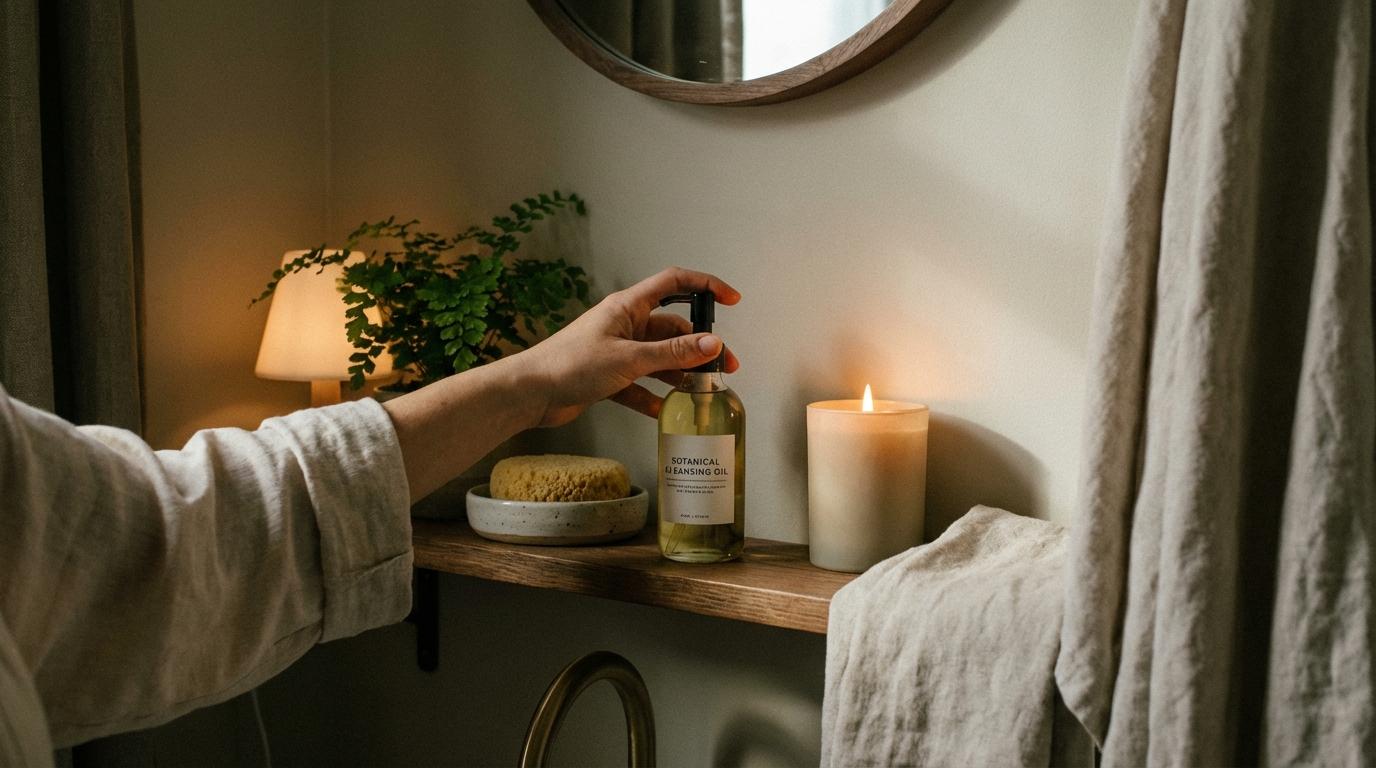
Slathering oil on your face and expecting miracles is exactly how oil cleansing goes wrong. The method has been around for centuries, but somewhere between TikTok tutorials and overpromising product marketing, the actual technique got lost. If you’ve tried oil cleansing and ended up with more breakouts than you started with, you’re not alone. And honestly, it’s probably not the method’s fault.
You’re Skipping Emulsification
This is the biggest mistake I see, and it’s the one that ruins oil cleansing for most people. You can’t just massage oil into your skin and wipe it off with a towel. That leaves a greasy film behind, clogs your pores, and defeats the entire purpose.
Emulsification is the step where you add water to your oil-covered face and massage until the oil turns milky. This transformation is chemistry at work. The oil mixes with water to create a solution that actually rinses clean. Without it, you’re basically sealing makeup residue and debris into your pores.
The right way: after massaging for 60 seconds, wet your hands and continue massaging. You’ll feel the texture change. Keep adding small amounts of water until everything turns cloudy white, then rinse thoroughly. If your cleanser doesn’t emulsify at all, it’s the wrong product for this method.
Using the Wrong Oil for Your Skin Type
Not all oils are created equal, and picking the wrong one will wreck your skin. Comedogenic ratings matter here. Coconut oil, for example, sits at a 4 out of 5 on the comedogenic scale. Using it as a cleanser on acne-prone skin is asking for trouble.
Oily and acne-prone skin types do best with lightweight oils that have low comedogenic ratings. Grapeseed, hemp seed, and sunflower oils are safer bets. Dry skin can handle richer options like avocado or marula oil.
The oils in a well-formulated cleansing oil are specifically chosen to dissolve makeup and sebum without leaving pore-clogging residue. DIY options can work, but you need to research the specific oil’s comedogenic rating first. A quick search before you buy saves weeks of breakout recovery later.
You’re Massaging for Too Long
More is not better here. I’ve seen people massage oil into their face for 10 or even 20 minutes, thinking they’re getting a “deeper clean.” What they’re actually doing is irritating their skin barrier and potentially pushing debris deeper into pores.
Sixty seconds is plenty. That’s enough time to break down makeup, sunscreen, and surface oil without overdoing it. If you’re wearing heavy makeup, you can go up to 90 seconds. Beyond that, you’re creating friction and inflammation.
Time yourself the first few times. You’ll realize 60 seconds feels longer than you think when you’re actively massaging. Set a timer on your phone if needed. The discipline pays off.
Not Following Up With a Second Cleanser
Oil cleansing is step one, not the whole routine. The double cleanse method exists for a reason. The oil dissolves oil-based impurities like sunscreen, makeup, and excess sebum. A water-based cleanser follows to remove water-based impurities like sweat and remaining residue.
If you stop after the oil cleanse, you’re leaving a layer of emulsified product on your skin. Even with good rinsing, traces remain. Your second cleanser doesn’t need to be harsh. A gentle, pH-balanced option works perfectly.
That said, some people with very dry skin can skip the second cleanse in the morning. At night, especially after wearing sunscreen, the double cleanse is non-negotiable. Dehydrated oily skin particularly benefits from this two-step approach since it cleans without stripping.
The Water Temperature Problem
Hot water feels luxurious but damages your skin barrier. Cold water won’t emulsify the oil properly. Lukewarm is the sweet spot, and I mean barely warm to the touch.
Hot water strips natural oils and causes redness, especially if you have sensitive or rosacea-prone skin. When you combine that with the friction of massaging, you’re setting yourself up for irritation. Lukewarm water emulsifies effectively without the damage.
Test the temperature on the inside of your wrist before you start rinsing. If it feels hot, it’s too hot. Room temperature to slightly warm is what you’re aiming for.
Who Should Skip Oil Cleansing Entirely
Oil cleansing isn’t for everyone, and that’s okay. According to dermatologists, some skin conditions respond poorly to any oil-based product, even when used correctly.
If you have active fungal acne (malassezia folliculitis), most oils feed the yeast causing your breakouts. Only specific oils like MCT oil (without lauric acid) are considered safe, and even those are debated. Same goes for perioral dermatitis, where any occlusive product can make things worse.
Extremely oily skin that’s also acne-prone might find the method too rich, even with lightweight oils. If you’ve tried multiple oil cleansers with proper technique and still break out consistently, your skin might just prefer a different approach. Micellar water followed by a gentle foaming cleanser can achieve similar results for makeup removal.
You’re Using Fragrant or Essential Oil-Loaded Products
That gorgeous lavender-scented cleansing oil might smell amazing, but fragrance is a common irritant. Essential oils sound natural and harmless, but they’re concentrated plant compounds that can sensitize skin over time.
Research shows that fragrance is one of the top causes of cosmetic contact dermatitis. When you’re massaging a product into your face for a full minute, you’re giving those fragrant compounds plenty of time to cause problems.
Look for fragrance-free options or products scented only with safe synthetic alternatives. Your skin will thank you in the long run, even if the experience is less spa-like.
Rushing the Rinse
A half-hearted rinse leaves residue behind. You need to rinse your face at least 15 to 20 times to fully remove the emulsified oil. Yes, that sounds like a lot. Yes, it’s necessary.
The residue from incomplete rinsing clogs pores just like skipping emulsification does. Pay special attention to your hairline, jawline, and around your nose. These areas trap product easily.
Pat dry with a clean towel, not the one you’ve been using all week. Bacteria from dirty fabrics transfers straight to your freshly cleaned face.
Storing Your Cleansing Oil Wrong
Oils can go rancid, and rancid oils irritate skin. If your cleansing oil smells off or different than when you bought it, toss it. Most cleansing oils last 6 to 12 months after opening, but exposure to light and heat shortens that significantly.
Store your oil cleanser in a cool, dark place. The bathroom counter right next to your hot shower is the worst spot, even though it’s the most convenient. A cabinet or drawer works better.
Pure oils without antioxidant preservatives go bad faster. If you’re DIY-ing with straight carrier oils, make small batches and use them within a few weeks.
Expecting Oil Cleansing to Solve Everything
Oil cleansing is a cleansing method. That’s it. It won’t cure your acne, reverse aging, or give you glass skin on its own. It’s one step in a routine, and its job is to remove makeup and oil-based impurities effectively.
The benefits of oil cleansing are real but modest: thorough makeup removal, less stripping of natural oils compared to harsh cleansers, and a clean slate for the rest of your routine. If your skin needs a reset, oil cleansing can be part of that, but it won’t do the work of actives and treatments.
Keep your expectations realistic and you’ll actually enjoy the method for what it is instead of abandoning it when it doesn’t transform your skin overnight.
Getting the Technique Right
Let me break down the correct method from start to finish. Apply the cleansing oil to dry skin. Massage gently in circular motions for 60 seconds. Wet your hands and massage until the product turns milky. Rinse 15 to 20 times with lukewarm water. Follow with a gentle water-based cleanser.
That’s it. No complicated steps, no extra products needed. The simplicity is part of the appeal. When done right, oil cleansing removes even waterproof mascara without tugging at delicate eye skin. It dissolves sunscreen residue that regular cleansers miss. Makeup artists and dermatologists alike recommend it for thorough but gentle cleansing.
Give it two weeks with proper technique before judging whether it works for you. That’s enough time for your skin to adjust and for you to see real results without the breakout purge caused by doing it wrong.