
Every time a pimple finally heals, it leaves behind a dark spot like some kind of annoying souvenir. I spent most of college thinking these marks were scars (spoiler: they’re not) and wasting money on products that weren’t designed for what I actually had. If you’ve ever stared at your face wondering why that breakout from three months ago still hasn’t fully disappeared, you’re dealing with post-inflammatory hyperpigmentation, or PIH for short. Let me break down what’s actually happening and how to make it fade faster.
Why Dark Spots Follow Inflammation
PIH happens because your skin gets a little overzealous about protecting itself. When you have any kind of inflammation, whether it’s a pimple, a bug bite, a scrape, or even an aggressive chemical peel, your skin triggers a healing response. Part of that response involves melanocytes, the cells responsible for producing melanin (the pigment that gives skin its color).
The inflammation basically sends a stress signal to these melanocytes saying “something’s wrong here!” and they respond by pumping out extra melanin. This is actually a protective mechanism. Melanin acts like a natural sunscreen and antioxidant, so your skin thinks it’s doing you a favor by depositing more of it in the healing area.
The problem is that this melanin doesn’t magically disappear once the wound heals. It hangs around in the upper layers of your skin, creating those flat, dark spots that can last for months or even years if you don’t actively address them. The darker your natural skin tone, the more melanin you already have, and the more likely your melanocytes are to overreact to inflammation. This is why PIH tends to be more pronounced and persistent in medium to deep skin tones.
The Melanin Overproduction Mechanism
Let’s get a little nerdy for a second because understanding this helps you pick better treatments. Melanin production happens in a few steps. First, an enzyme called tyrosinase converts an amino acid (tyrosine) into melanin precursors. Then those precursors become actual melanin, which gets packaged into little bundles called melanosomes. Finally, those melanosomes transfer into your regular skin cells, which is what creates visible pigmentation.
Effective PIH treatments work by interrupting one or more of these steps. Some ingredients block tyrosinase so less melanin gets made in the first place. Others prevent the transfer of melanosomes into skin cells. And some speed up cell turnover so the pigmented cells shed faster. The best approach usually combines multiple strategies.
One thing I learned the hard way: PIH is completely different from true scarring. PIH is flat and only affects color. Scars involve actual changes to skin texture, like indentations or raised bumps. If you can feel a depression or bump where your acne was, that’s a scar and needs different treatment. If it’s flat but just darker than surrounding skin, that’s PIH, and there’s a lot you can do at home.
Prevention During the Healing Phase
The best way to deal with PIH is to prevent it from forming in the first place. Easier said than done, I know, but there are some things that genuinely help.
First and most importantly: do not pick at your skin. I know, everyone says this. But picking extends the inflammatory process, which means more time for melanocytes to dump melanin into that spot. The more you traumatize a healing pimple, the worse the PIH will be. If you struggle with skin picking (plenty of us do), keep pimple patches on hand. They create a physical barrier that makes picking harder while also keeping the area moist for better healing.
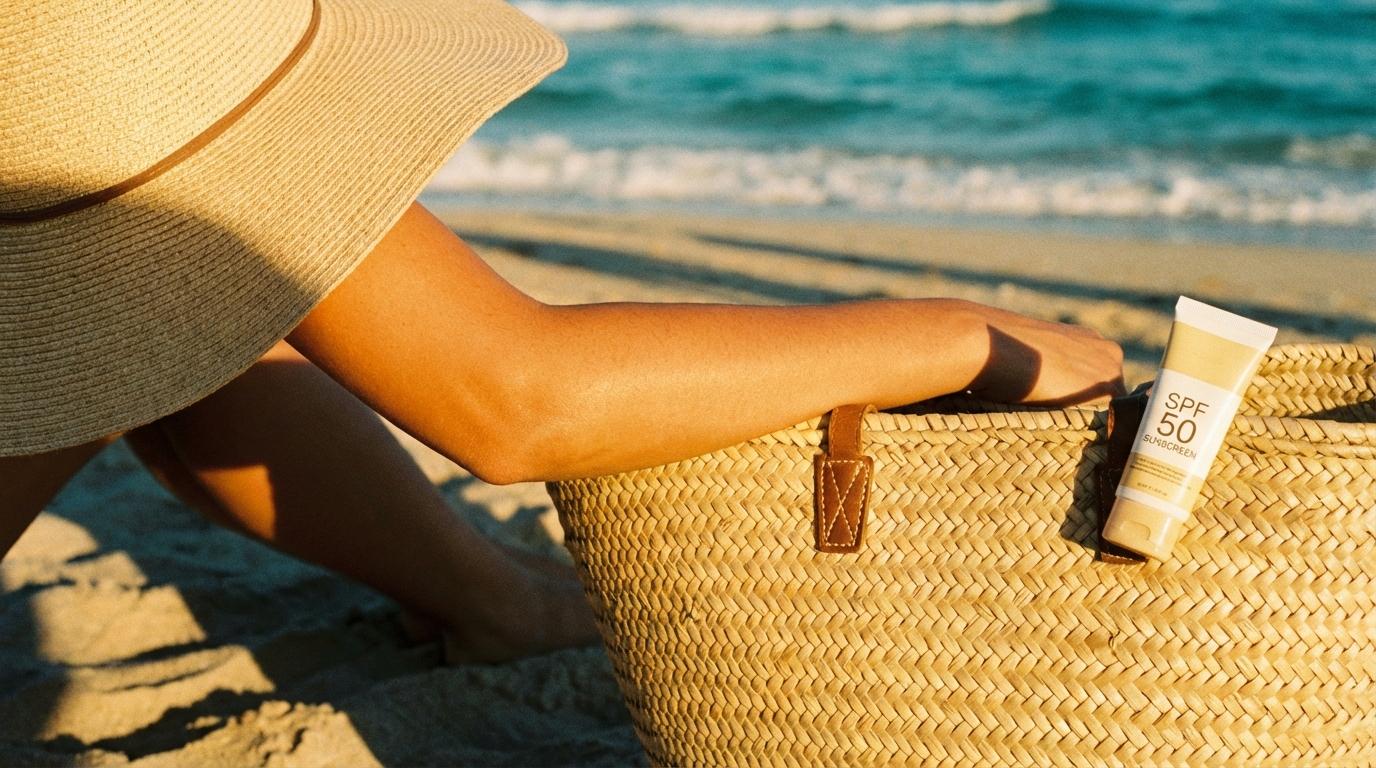
Second: sunscreen, every single day, even if you’re staying inside. UV exposure stimulates melanin production, which is the last thing you want when you’re trying to prevent dark spots. Even brief sun exposure on healing skin can dramatically worsen PIH. I use a budget-friendly SPF daily because consistency matters more than spending a fortune.
Third: reduce the initial inflammation as quickly as possible. This is where spot treatments shine. Benzoyl peroxide, salicylic acid, and sulfur all help calm active breakouts faster. The shorter the inflammatory phase, the less melanin gets deposited. Azelaic acid is particularly good because it both fights acne and inhibits melanin production, so you’re addressing two problems at once.
Ingredients That Actually Fade PIH
Once you’ve got those dark spots, here’s what actually helps fade them:
- Vitamin C (L-ascorbic acid): Inhibits tyrosinase and acts as an antioxidant. Look for concentrations between 10-20%. Yes, vitamin C serums can be pricey, but plenty of affordable options work great.
- Niacinamide: Prevents melanosome transfer. The 5% concentration in many products is plenty effective. Bonus: it also helps with oiliness and pore appearance.
- Alpha arbutin: Another tyrosinase inhibitor that’s gentler than hydroquinone. Works well combined with vitamin C.
- Azelaic acid: Already mentioned but worth repeating. At 10-20% it fades PIH while also preventing new breakouts.
- Retinoids: Speed up cell turnover so pigmented cells shed faster. Start slow if you’re new to retinoids, as they can cause irritation (which causes more PIH, defeating the purpose).
- Tranexamic acid: Newer ingredient that interrupts melanin synthesis. Works especially well for stubborn PIH.
Hydroquinone is the strongest over-the-counter option for fading pigmentation, but it’s controversial. It can cause irritation and shouldn’t be used long-term. I’d try other options first and save hydroquinone for spots that won’t budge after several months of consistent treatment.
Building a PIH-Fading Routine
You don’t need to use every ingredient at once. In fact, please don’t. Start with one or two targeted products and give them time to work. Here’s a basic framework:
Morning:
- Gentle cleanser
- Vitamin C serum (wait a minute for it to absorb)
- Moisturizer with niacinamide if possible
- Sunscreen (non-negotiable)
Evening:
- Gentle cleanser
- Azelaic acid OR retinoid (not both on the same night when starting out)
- Moisturizer
Give this at least 8-12 weeks before expecting significant results. PIH fading is slow because you’re literally waiting for pigmented skin cells to shed and be replaced by new, evenly-toned cells. Your skin takes about a month to fully turn over, so meaningful change requires multiple turnover cycles.
When PIH Just Won’t Fade
Sometimes home treatment isn’t enough, and that’s okay. Dermatologists have stronger options:
- Prescription retinoids: Tretinoin is more potent than anything over the counter.
- Prescription-strength hydroquinone: Higher concentrations than you can buy at the store.
- Chemical peels: Professional-grade acids that remove pigmented layers faster.
- Laser treatments: Can target melanin specifically, but carry risk of worsening PIH if done incorrectly, especially on darker skin.
If you’re considering laser or light treatments, please find a provider experienced with your skin tone. Lasers can cause PIH themselves if the settings aren’t right. This is especially important for medium to deep skin tones, where the risk of complications is higher.
The Patience Factor
Real talk: PIH takes time to fade. We’re talking months, not weeks. Even with the most effective routine, you’re looking at 3-6 months minimum for noticeable improvement, and up to a year for stubborn spots to fully resolve. This is normal and doesn’t mean your products aren’t working.
Take progress photos in the same lighting to track changes you might not notice day to day. It’s encouraging to look back and see how far you’ve come, even when you feel like nothing’s happening.
Understanding how skin heals itself can help you stay patient. Your skin is constantly working to repair and renew, it just operates on its own timeline, not yours.
The most important thing I’ve learned from dealing with PIH: prevention really is half the battle. Treating existing dark spots while constantly creating new ones from picking, sun exposure, or untreated acne is like trying to empty a bathtub with the faucet still running. Address the source of inflammation, protect healing skin religiously, and then the fading treatments can actually do their job.