
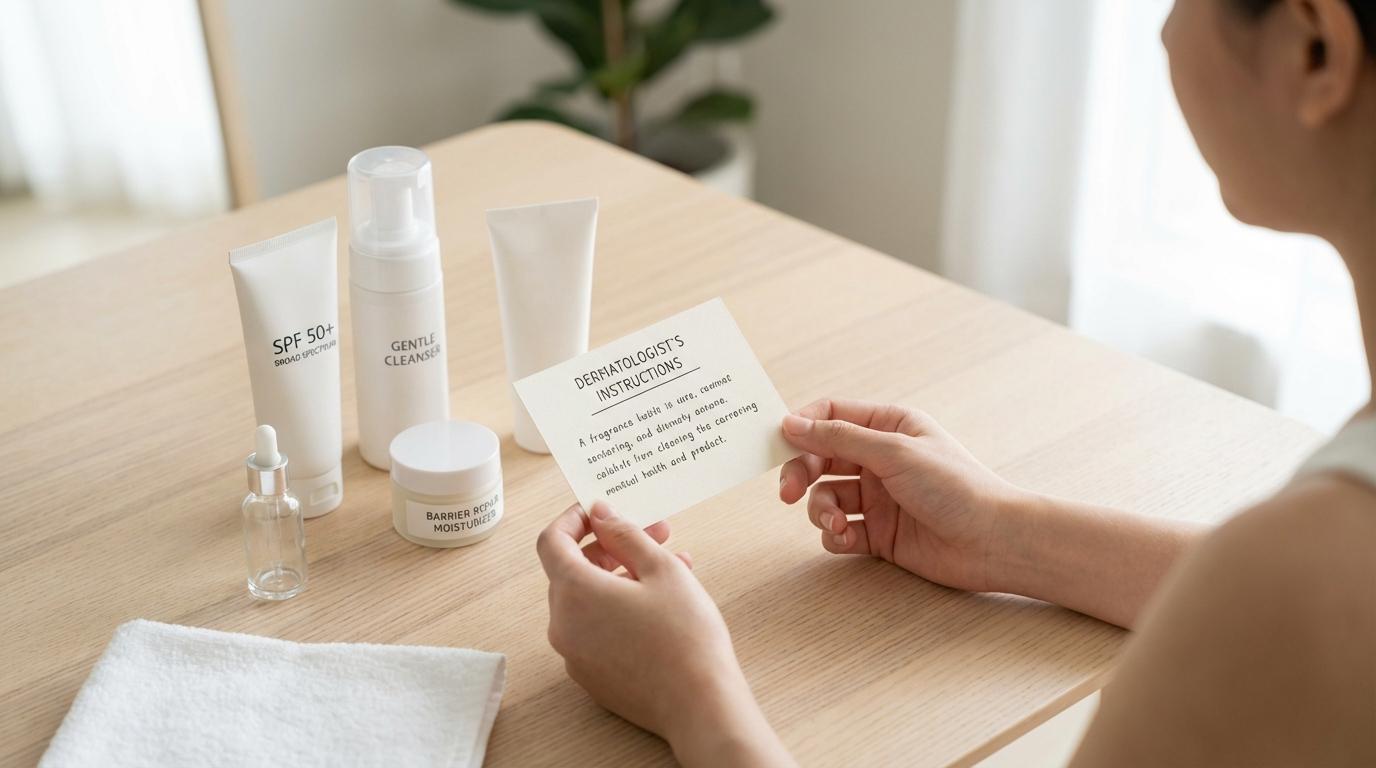
So you just had a laser treatment. Maybe it was for acne scars, hyperpigmentation, fine lines, or something else entirely. Regardless of the reason, there is one thing that applies universally: your skin is now in recovery mode, and the next few weeks matter more than you might think.
I get it. You probably want to speed up the healing process, or you are eager to see results. But here is the truth that dermatologists really wish more people understood: the success of your laser treatment depends just as much on what you do afterward as what happened during the procedure itself.
Why Your Dermatologist’s Instructions Actually Matter
Let me break down what is happening at a cellular level. Laser treatments work by creating controlled micro-injuries to your skin. The type and depth of these injuries depends on the laser used, but the fundamental principle remains the same. Your skin needs to heal, and during that healing process, new collagen forms, damaged cells are replaced, and the results you are hoping for gradually emerge.
When your dermatologist hands you a post-care sheet, those instructions are not suggestions or general guidelines. They are based on clinical evidence about what promotes proper healing and what can derail the entire process. Ignoring them can lead to extended recovery time, infection, scarring, or hyperpigmentation that may be worse than what you started with.
The specifics of your aftercare will depend on the type of laser treatment you received. Ablative lasers (like CO2 or erbium) remove outer layers of skin and require more intensive recovery. Non-ablative lasers (like IPL or fractional lasers) work beneath the surface and typically have shorter downtimes. But even the gentlest treatments still require you to adjust your routine.
The Minimal Products Period
Here is something that might feel counterintuitive: after a laser treatment, less is absolutely more when it comes to skincare. This is not the time to maintain your usual 7-step routine, and it is definitely not the time to introduce anything new.
What Your Skin Actually Needs
During the initial healing phase (typically the first 3-7 days for most treatments, longer for ablative procedures), your routine should be stripped down to the bare essentials:
A gentle, fragrance-free cleanser. Look for something with a pH around 5.5 that will not disrupt your skin barrier. Micellar water or a hydrating cream cleanser works well. Avoid anything foaming or containing sulfates.
A bland, occlusive moisturizer. Your dermatologist may recommend a specific healing ointment like Aquaphor or CeraVe Healing Ointment for the first few days. These create a protective barrier that locks in moisture and keeps out bacteria. After the initial phase, you can transition to a basic moisturizer with ceramides or hyaluronic acid.
Sunscreen (more on this in a moment). Once your skin has healed enough to tolerate it, SPF becomes non-negotiable.
That is it. That is your entire routine for the first week or two. I know it feels like you should be doing more, but your skin does not need stimulation right now. It needs support while it does the hard work of healing itself.
When Can You Add Products Back?
The timeline varies depending on your treatment, but generally:
Week 1-2: Stick to cleanser, healing ointment or moisturizer, and sunscreen only. No actives, no makeup (or mineral makeup only if cleared by your doctor).
Week 2-4: You can start reintroducing gentle products. A basic serum with hyaluronic acid is usually safe. Keep avoiding actives.
Week 4-8: Gradually reintroduce other products one at a time. Start with lower concentrations of actives if you plan to use them again.
Always check with your dermatologist before reintroducing anything, especially if you had a more intensive treatment.
SPF Becomes Your Full-Time Job
I cannot emphasize this enough: sun protection after laser treatment is not optional. It is critical. Here is why.
Laser treatments increase your skin’s photosensitivity significantly. The new skin cells that are forming are more vulnerable to UV damage than established skin. Exposure to sunlight during the healing period can cause hyperpigmentation that may be permanent, undo the benefits of your treatment, and increase your risk of scarring.
What Effective Post-Laser Sun Protection Looks Like
Use SPF 30 or higher daily, without exception. A mineral sunscreen (zinc oxide or titanium dioxide) is often better tolerated on healing skin because it sits on top rather than absorbing into it. However, some people find mineral sunscreens too drying during recovery, so ask your dermatologist what they recommend.
Reapply every 2 hours if you are outside. Yes, really. Set a timer on your phone if you need to.
Physical protection matters too. Wide-brimmed hats, seeking shade, and avoiding peak sun hours (10am-4pm) are all part of post-laser sun safety. Sunscreen alone may not be enough.
Continue strict sun protection for at least 4-6 weeks. Some dermatologists recommend being extra careful for up to 3 months after certain treatments. UV damage can still cause problems even after your skin looks healed on the surface.
I know it can be tempting to skip sunscreen when you are staying indoors, but UV rays penetrate windows too. Make it part of your morning routine regardless of your plans.
What NOT to Use After Laser Treatment
This list is arguably more important than the list of what to use. The wrong products can cause irritation, infection, delayed healing, or complications that require medical attention.
Avoid These Completely During Recovery
Retinoids (tretinoin, retinol, adapalene): These are too stimulating for healing skin. The increased cell turnover that makes them effective for anti-aging can interfere with the healing process and cause significant irritation.
Exfoliating acids (AHAs, BHAs, PHAs): Glycolic acid, salicylic acid, lactic acid, and their relatives are off limits. Your skin is already shedding and renewing itself. Chemical exfoliation on top of that is asking for trouble.
Vitamin C serums: While vitamin C is generally beneficial for skin, its acidic nature can be too irritating during the healing period. Wait until your dermatologist clears you.
Physical exfoliants: No scrubs, no brushes, no Clarisonic devices. Do not manually exfoliate healing skin under any circumstances.
Fragranced products: Fragrance is a common irritant even for healthy skin. On compromised skin, it can cause reactions and slow healing.
Essential oils: Despite their natural appeal, many essential oils are irritating and have no place in a post-laser routine.
Alcohol-based products: Toners, astringents, and other products with high alcohol content will dry out and irritate healing skin.
Makeup (during initial healing): Most dermatologists recommend avoiding makeup for at least a few days to a week after treatment. When you do start wearing it again, use mineral makeup and clean brushes to reduce infection risk.
Things That Seem Harmless But Are Not
Hot water: Use lukewarm water only when cleansing. Hot water increases inflammation and can damage new skin cells.
Touching your face: Your hands carry bacteria. Keep them away from your healing skin as much as possible.
Picking at peeling skin: Let it shed naturally. Pulling or picking can cause scarring and infection.
Intense exercise: Heavy sweating can irritate healing skin and introduce bacteria. Most dermatologists recommend avoiding strenuous workouts for a few days after treatment.
Swimming pools and hot tubs: The chemicals and bacteria in these environments are not compatible with healing skin. Stay out until you are fully healed.
Signs Something Is Wrong
Some discomfort and visible changes are normal after laser treatment. Redness, swelling, and a sunburn-like sensation are typical. Peeling or flaking is expected with many treatments. But certain symptoms warrant a call to your dermatologist:
Increasing pain or redness after the first few days (it should be improving, not worsening). Any signs of infection: yellow or green discharge, spreading redness, fever. Blisters or open sores that were not there immediately after treatment. Severe or prolonged swelling. Any reaction that seems outside what you were told to expect.
Do not try to manage potential complications yourself. Contact your provider if something seems off.
The Patience Part
Here is the hardest part about post-laser skincare: waiting. The full results of your treatment may not be visible for weeks or even months, depending on what you had done. Collagen remodeling is a slow process. Your skin needs time.
In the meantime, resist the urge to add products that promise to speed up results or enhance the effects. Your skin knows what to do. Your job is to create conditions that allow healing to happen without interference.
Follow your dermatologist’s instructions exactly. Keep your routine simple. Protect your skin from the sun. And give your body the time it needs to show you what the treatment can do.
The rules exist for a reason. Following them is how you get the results you paid for.