
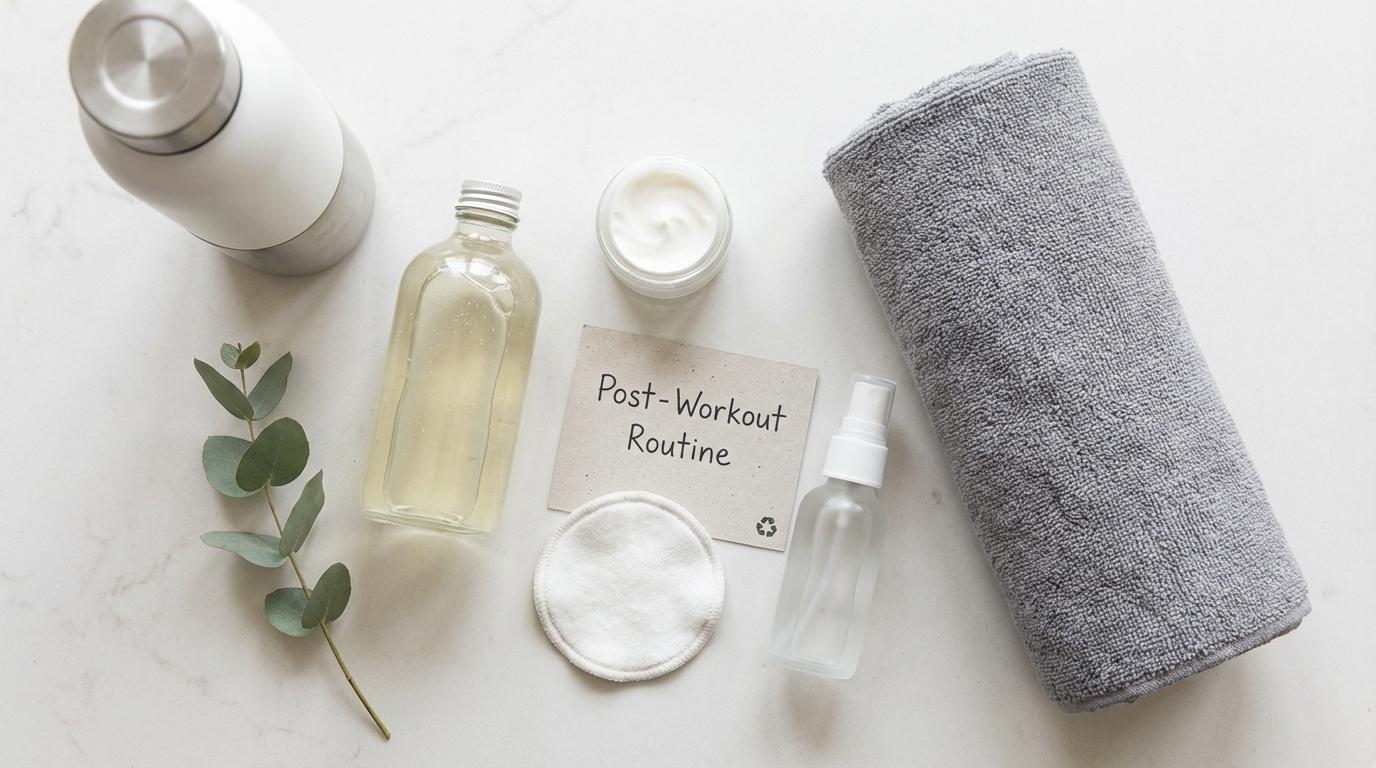
You just crushed a 45-minute HIIT session, your muscles are burning (in the best way), and sweat is dripping down your face. But here is the thing most fitness enthusiasts do not realize: what you do with your skin in the next 30 minutes matters just as much as those burpees you powered through. As someone who spent way too many hours in a biochemistry lab studying how our skin responds to environmental stressors, I can tell you that exercise creates a very specific set of conditions on your skin that require a thoughtful approach.
What Actually Happens to Your Skin When You Exercise
Let me break down the science. When you work out, your body temperature rises, causing vasodilation, which means your blood vessels expand to release heat. This is why you get that flushed look during exercise. Your eccrine sweat glands kick into overdrive, producing sweat that is mostly water, salt, and trace minerals. Meanwhile, your sebaceous glands may also increase oil production due to the hormonal fluctuations that come with intense physical activity.
Here is where it gets interesting. A study published in the Journal of Dermatological Science found that the composition of sweat changes during prolonged exercise. Initially, sweat is mostly water, but as your workout continues, the concentration of salt and urea increases. When this mixture sits on your skin and mixes with sebum, bacteria, and any products you applied earlier, it creates an environment that can lead to clogged pores and irritation.
The pH of fresh sweat is slightly acidic (around 4.5-5.5), which is actually close to your skin’s natural pH. But as sweat evaporates and concentrates, it becomes more alkaline, which can disrupt your skin barrier and make your skin more susceptible to bacterial overgrowth.
Before You Hit the Gym: Pre-Workout Skin Prep
The biggest mistake I see? Going to the gym with a full face of makeup or heavy skincare products. Anything occlusive (like silicone-based primers or thick moisturizers) traps sweat beneath the product layer, essentially creating a sauna on your face where bacteria thrive.
Here is what I recommend:
- Remove makeup completely. Use micellar water or a gentle cleanser before your workout. I know, it feels weird showing up barefaced, but your skin will be so much happier.
- Apply a lightweight, water-based moisturizer if you have dry skin. Look for humectants like glycerin or hyaluronic acid that will not create a film.
- Sunscreen is still essential if you are exercising outdoors. Choose a mineral sunscreen with zinc oxide, as it tends to be more stable during sweating than chemical filters.
- Tie your hair back and keep styling products away from your hairline. Hair products contain oils and polymers that transfer to your forehead and temples.
For outdoor workouts, you might find our routine guides helpful for building a gym-friendly regimen that protects without suffocating your skin.
Why Those Gym Wipes Are Doing Less Than You Think
Let me be real with you: gym wipes are convenient, but they are not doing what you think they are doing. Most facial wipes, especially the ones marketed for post-workout use, contain surfactants that can strip your skin, along with preservatives and fragrances that may cause irritation on sensitized, freshly-exercised skin.
The mechanical action of wiping can also be problematic. When you rub a wipe across sweaty skin, you are not lifting away impurities cleanly. You are actually spreading that mixture of sweat, oil, and bacteria around while simultaneously creating friction that can trigger inflammation. If you have any active breakouts, you are essentially dragging bacteria from one area to another.
Additionally, most wipes do not rinse off. They leave behind a residue of cleansing agents on your skin, which can interfere with your skin’s ability to rebalance its pH and moisture levels post-exercise.
If you absolutely cannot shower immediately (we have all been there, rushing from the gym to a meeting), here is a better approach:
- Blot, do not wipe. Use a clean microfiber towel or soft paper towel to gently absorb sweat.
- Spritz with a gentle toner or thermal water to help rebalance pH.
- Apply a light serum with niacinamide, which has anti-inflammatory and sebum-regulating properties.
- Wash properly as soon as possible.
The Shower Window: Timing Matters
Research on skin barrier function suggests there is an optimal window for post-workout cleansing. Ideally, you want to shower within 30 minutes of finishing your workout. Here is why.
As sweat dries on your skin, the salt concentration increases. This creates an osmotic effect that draws water out of your skin cells, leaving them temporarily dehydrated. The longer you wait, the more your skin barrier is compromised. Meanwhile, the mixture of sweat and sebum becomes a feast for propionibacterium acnes (the bacteria involved in acne) and malassezia (the yeast linked to fungal acne).
But here is the nuance: the temperature of your shower matters too. I know a cold shower sounds appealing after getting overheated, but extremely cold water can cause rapid vasoconstriction, which may temporarily trap toxins in your skin. Lukewarm water is the sweet spot. It effectively removes sweat and oil without shocking your skin or stripping away too much of your natural lipid barrier.
Keep your shower short, around 5-10 minutes. Prolonged water exposure, especially with hot water, degrades your skin’s natural moisturizing factors and can leave you more prone to dryness and irritation.
Your Post-Gym Skincare Routine
Once you are out of the shower, your skin is primed to absorb products effectively. Here is a streamlined routine based on what the research tells us works:
Step 1: Gentle cleanser. Use something with a pH around 5.5. Avoid anything with sulfates or heavy foaming agents. Your skin has already been through a lot.
Step 2: Treatment serum. This is where you can target specific concerns. Niacinamide is excellent for post-workout skin because it helps regulate oil and calm inflammation. If you are prone to post-gym breakouts, look for formulas with ingredients like salicylic acid that can keep pores clear.
Step 3: Lightweight moisturizer. Your skin needs to replenish the moisture lost through sweating. Choose a gel or gel-cream texture that hydrates without feeling heavy.
Step 4: Sunscreen (if it is daytime). Non-negotiable, especially if you will be heading outside.
Preventing Gym Acne: A Science-Based Approach
Acne mechanica is a real thing. It is breakouts caused by friction, heat, and pressure, and it is incredibly common among people who exercise regularly. Helmets, headbands, chin straps, and even the constant dabbing of towels on your face can all contribute.
Beyond the facial skincare routine I have outlined, pay attention to body acne as well. Wear moisture-wicking fabrics that pull sweat away from your skin. Change out of workout clothes immediately. Consider using a body wash with benzoyl peroxide (2.5% is effective and less irritating than higher concentrations) on areas prone to breakouts like your chest and back.
Also, let us talk about gym equipment. Studies have found alarming levels of bacteria, including MRSA, on gym surfaces. Always lay a clean towel down on benches and mats. Wipe down equipment before and after use. And for the love of your skin, never touch your face during a workout. Keep a clean towel designated just for your face, separate from the one you use for equipment.
One more thing: consider the timing of your workouts in relation to your skincare. If you apply active ingredients like retinoids or AHAs at night, your skin is more sensitized in the morning. An intense morning workout with lots of sweating might cause more irritation than usual. You might find it helpful to skip actives the night before heavy workout days, or adjust your workout schedule accordingly.
Understanding the science behind how exercise affects your skin empowers you to make better choices. It is not about adding complexity. It is about being strategic. Your workout is already making you stronger. With the right approach, it can support healthier skin too.