
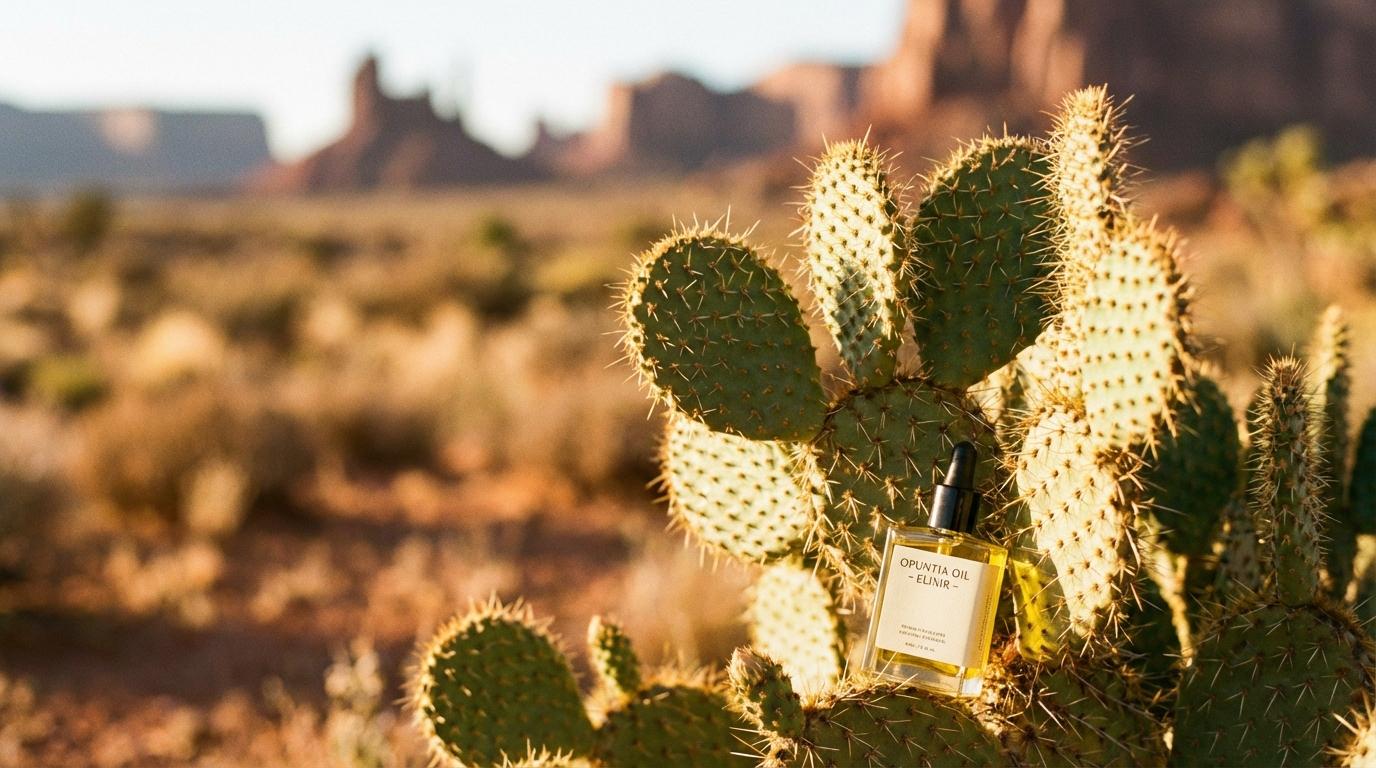
Approximately 1,000 pounds of prickly pear fruit yield just one liter of seed oil, making it one of the most labor-intensive botanical oils on the market. That scarcity is part of why it commands a higher price than most facial oils, but the real reason it deserves attention is its unusually high concentration of vitamin E, specifically the tocopherol form that your skin can actually use.
Prickly pear oil (also called Opuntia ficus-indica seed oil or barbary fig oil) has been used in North African skincare for generations. Only recently has it attracted clinical interest, and the results are worth understanding if you care about what makes an oil genuinely effective versus just trendy.
What Makes the Vitamin E Content Stand Out
Most plant oils contain some vitamin E. It acts as a natural preservative in seeds, protecting the fatty acids from oxidation. But the amount varies enormously between oils. Argan oil, often praised for its vitamin E, contains roughly 620 milligrams per kilogram. Prickly pear seed oil contains approximately 900 milligrams per kilogram, sometimes higher depending on the extraction method and growing conditions.
That difference matters because vitamin E (alpha-tocopherol) is one of the most well-studied topical antioxidants. It neutralizes free radicals generated by UV exposure, reduces lipid peroxidation in cell membranes, and supports the skin’s own repair mechanisms. If you want to understand the distinction between different forms of vitamin E, the comparison between tocopheryl acetate and tocopherol matters. Prickly pear oil contains the active tocopherol form, not the inactive acetate ester that needs to be converted.
Beyond alpha-tocopherol, prickly pear oil also contains gamma-tocopherol, which has anti-inflammatory properties that complement the antioxidant effects. This dual tocopherol profile is unusual in a single oil.
The Fatty Acid Profile Explains the Lightweight Feel
One of the most common complaints about facial oils is heaviness, that greasy film that sits on the skin and never quite absorbs. Prickly pear oil behaves differently, and the fatty acid composition explains why.
The oil is approximately 60 to 70 percent linoleic acid (omega-6). Linoleic acid is the dominant fatty acid in healthy human sebum, and oils high in linoleic acid tend to absorb quickly without leaving residue. Compare this to oils high in oleic acid (like olive oil or sweet almond oil), which feel heavier and can sometimes clog pores in acne-prone skin.
This high linoleic acid ratio also makes prickly pear oil particularly suitable for oily and combination skin types. Research published in the Journal of the European Academy of Dermatology found that acne-prone individuals tend to have sebum that is lower in linoleic acid. Applying a linoleic-rich oil can help rebalance that ratio rather than exacerbating oiliness.
How Prickly Pear Oil Works for Anti-Aging
Anti-aging is a broad term, so let me be specific about what prickly pear oil can and cannot do.
What it does well: it protects existing collagen and elastin from oxidative damage. The vitamin E content scavenges free radicals before they can break down structural proteins in the dermis. Over time, this protective effect slows the visible signs of photoaging, including fine lines, uneven texture, and loss of firmness.
It also helps with moisture retention. The linoleic acid integrates into the lipid matrix between skin cells, reinforcing the skin barrier and reducing transepidermal water loss. Better hydration plumps fine lines and gives the skin a smoother appearance.
What it does not do: it will not stimulate new collagen production the way retinoids or vitamin C serums can. Prickly pear oil is a defensive player, not an offensive one. It preserves what you have rather than building new structural protein. That is still genuinely valuable, especially for people in their twenties and early thirties who have plenty of collagen and just need to protect it.
Choosing a Quality Prickly Pear Oil
Not all prickly pear oils are equal. The extraction method determines both the nutrient profile and the shelf stability.
- Cold-pressed seed oil is the gold standard. It preserves the vitamin E and fatty acids without heat degradation. The oil should have a light yellow-green color and a mild, slightly nutty scent.
- Macerated or infused versions use a carrier oil (often sunflower or jojoba) to extract compounds from the fruit or skin, not the seeds. These are cheaper but contain far less vitamin E and linoleic acid. Read the ingredient list carefully.
- CO2-extracted oil is another high-quality option. The supercritical extraction process preserves nutrients similarly to cold pressing, sometimes yielding an even higher antioxidant content.
If the price seems too good to be true, it probably is. Genuine cold-pressed prickly pear seed oil typically costs between $30 and $60 for a one-ounce bottle. A $12 bottle is almost certainly a diluted or macerated product.
How to Use It in Your Routine
Prickly pear oil works best as the last step in your evening routine, after water-based serums and before or mixed into your moisturizer. A few guidelines for getting the most from it:
- You need very little. Two to three drops are enough for the full face. The oil spreads easily and absorbs within a few minutes.
- It layers well over hyaluronic acid serums. Apply your HA serum to damp skin, let it absorb for a minute, then press the prickly pear oil over the top. The oil helps seal in the hydration that hyaluronic acid pulls to the surface.
- It pairs nicely with niacinamide and peptide serums. There are no stability conflicts between prickly pear oil and these water-soluble actives.
- For morning use, apply a small amount before sunscreen. The vitamin E provides an extra layer of antioxidant protection alongside your SPF.
How It Compares to Other Popular Facial Oils
Rosehip oil is probably the closest comparison. Both are high in linoleic acid, both absorb well, and both contain antioxidants. Rosehip oil has the advantage of containing a small amount of trans-retinoic acid (a mild retinoid), while prickly pear oil has the superior vitamin E content. If antioxidant protection is your priority, prickly pear wins. If you want a mild retinoid effect without a dedicated retinol product, rosehip is the better pick.
Compared to argan oil, prickly pear is lighter, higher in linoleic acid, and higher in vitamin E. Argan is richer in oleic acid, making it better suited for dry skin types that need a heavier, more occlusive oil. For oily or combination skin, prickly pear is the more logical choice.
Other oils like baobab oil serve a different purpose entirely, focusing on intense moisture for very dry skin rather than lightweight antioxidant protection.
What the Research Still Needs to Confirm
I want to be honest about the limits of the evidence. Most of the studies on prickly pear oil are compositional analyses, meaning they confirm what is in the oil but have not run large-scale clinical trials testing its effects on human facial skin over months. The antioxidant and fatty acid benefits are well-established in the biochemistry literature, but head-to-head clinical comparisons with other oils on wrinkle depth, hyperpigmentation, or barrier repair are still limited.
What we can say with confidence is that the biochemical profile, high tocopherol, high linoleic acid, measurable polyphenol content, aligns with the properties dermatologists look for in an effective facial oil. The traditional use in Moroccan and Tunisian skincare adds anecdotal support spanning decades.
Who Benefits Most
Prickly pear oil is most useful for people who want antioxidant protection in an oil format without the heaviness. That means oily and combination skin types, anyone looking for a lightweight alternative to richer oils, and people who want to layer vitamin E without using a separate vitamin E serum. It is also a good option for those sensitive to synthetic antioxidants in serums, since the vitamin E comes in its natural botanical context alongside complementary fatty acids and polyphenols.
If your skin is very dry and you need intense moisture, this oil alone probably will not be enough. You would do better with a richer oil or a combination approach. But as part of a well-rounded routine, prickly pear oil earns its place for the vitamin E content alone.