
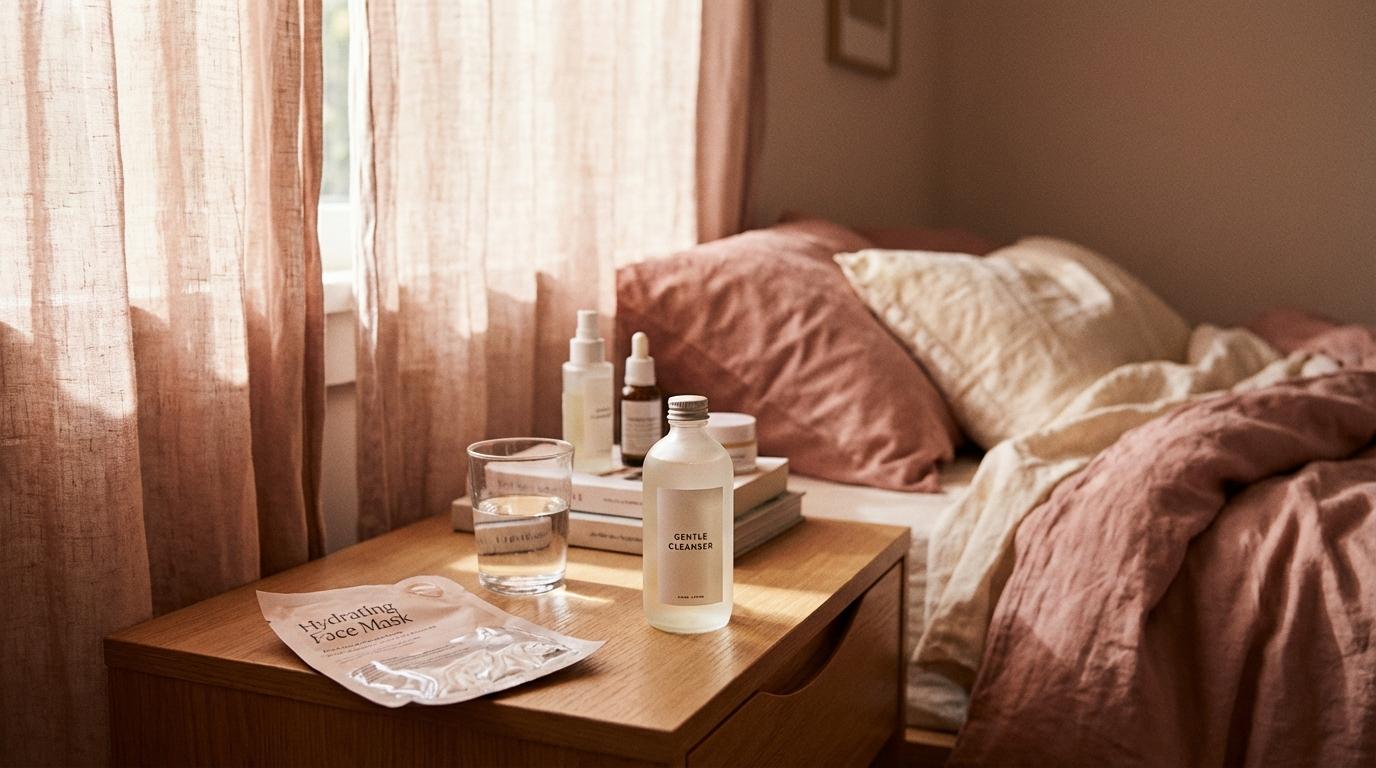
I completely destroyed my skin barrier last month trying to fix a small breakout before a friend’s wedding. Three days of layering every active I owned, and I went from one tiny pimple to an angry, flaky, stinging mess that no amount of concealer could hide. If you’re reading this with a face that feels like sandpaper and looks like you’ve been slapped, I get it. Let’s fix this together.
First, Put Everything Down
Before we talk about what to do, we need to talk about what to stop doing immediately. That retinol you’ve been using? Park it. The glycolic acid toner? Same. Vitamin C serum? On the bench. Basically, if a product has any active ingredient that’s designed to “do something” to your skin, it needs to take a break.
This feels counterintuitive when your skin looks terrible and you want to fix it fast. Trust me, I know. But your skin barrier is compromised, which means everything you put on it is going to penetrate more deeply than usual and cause more irritation. According to dermatologists at the American Academy of Dermatology, a damaged barrier can’t protect against irritants the way healthy skin does.
For the first 48 to 72 hours, your routine should be almost nothing: a gentle cleanser and a basic moisturizer. That’s it. Maybe sunscreen if you’re going outside. I know this sounds too simple, but simplicity is exactly what your stressed out skin needs right now.
Signs Your Barrier Actually Needs Recovery
Sometimes we overreact to normal skin changes. But if you’re experiencing multiple symptoms from this list, you’re dealing with genuine barrier damage:
- Stinging or burning when you apply products that never bothered you before
- Redness that wasn’t there a week ago
- Unusual tightness, even right after moisturizing
- Flaking or peeling, especially in areas you don’t normally get dry
- Increased sensitivity to temperature changes
- Breakouts in unusual patterns or locations
If products that used to feel fine suddenly feel like they’re burning, that’s your skin telling you the barrier is compromised. Your barrier normally acts like a bouncer, deciding what gets in and what stays out. When it’s damaged, everything gets through, and that includes things that irritate.
Your Stripped Back Basics Routine
For the first week, this is your entire routine, morning and night. I know it feels like not enough. It is enough.
Morning:
- Splash face with lukewarm water (or use a cream cleanser if you need it)
- While skin is slightly damp, apply a simple moisturizer
- Sunscreen if going outside (mineral formulas tend to be gentler)
Night:
- Gentle cream or oil cleanser (nothing foaming or stripping)
- Moisturizer, slightly thicker layer than morning
Look for moisturizers with ceramides, glycerin, or squalane. Avoid anything with fragrance, essential oils, or actives. Dermatologist Dr. Shereene Idriss frequently recommends keeping routines minimal when dealing with barrier issues. Your skin needs to repair itself, not process a bunch of ingredients.
If you’re looking for guidance on keeping routines simple, our guide on resetting your skin over two weeks covers the day by day approach in detail.
Barrier Repair Ingredients That Actually Help
Once you’re a few days into your stripped back routine and things feel a bit less angry, you can start thinking about ingredients specifically designed to support barrier repair. These aren’t actives in the traditional sense. They’re building blocks your barrier needs to rebuild itself.
Ceramides: These are lipids that make up about 50% of your skin barrier. When the barrier is damaged, ceramide levels drop. Replenishing them externally helps speed up repair. Products like CeraVe or La Roche Posay that feature ceramides prominently work well here.
Fatty acids: Your barrier also needs fatty acids to function. Look for ingredients like linoleic acid, oleic acid, or products that list “fatty acids” on the label. Oils like rosehip or hemp seed oil are high in linoleic acid and can help.
Cholesterol: The third piece of the barrier puzzle. Many “barrier repair” products now include all three: ceramides, fatty acids, and cholesterol in a ratio that mimics your skin’s natural composition.
Centella asiatica (cica): This has become trendy for good reason. Research shows it helps with wound healing and reducing inflammation. Korean skincare brands often feature this heavily in their recovery products.
According to research published in Clinical, Cosmetic and Investigational Dermatology, the ceramide to cholesterol to fatty acid ratio matters for optimal barrier function. Products formulated with this in mind tend to work faster than random moisturizers.
What to Pause and For How Long
Different products need different timeout periods based on how aggressive they are and how bad your damage is. Here’s a general timeline, though listen to your skin more than any chart:
Pause immediately and wait until fully healed:
- Retinoids (prescription or over the counter)
- Exfoliating acids (AHAs like glycolic, BHAs like salicylic)
- Benzoyl peroxide
- Vitamin C serums (especially L-ascorbic acid formulas)
- Physical scrubs
Pause for at least one week:
- Niacinamide (usually well tolerated but can irritate compromised skin)
- Hyaluronic acid serums (some people find these drying on damaged barriers)
- Anything with fragrance, even if it’s “natural”
When your skin no longer stings with basic moisturizer and the redness has calmed, you can start reintroducing things one at a time. One product per week. Not all at once. I made that mistake too and ended up back at square one.
Our article on rest days for your skin explains why taking regular breaks from actives prevents this kind of situation in the first place.
How Long Does Recovery Actually Take
Everyone wants a specific timeline. The frustrating truth is it depends on how much damage you did and your skin’s individual healing speed. But here’s a general idea:
Minor damage (a few days of overexfoliation): Usually resolves in 3 to 5 days with a stripped back routine. You might see improvement within 48 hours.
Moderate damage (a week or more of aggressive products): Expect 1 to 2 weeks before things feel normal again. The stinging should stop within the first few days, but full barrier recovery takes longer.
Severe damage (you really went in): Could take 3 to 4 weeks, sometimes longer. If you’re not seeing improvement after two weeks of basic care, it might be worth seeing a dermatologist.
Your skin cell turnover cycle is roughly 28 days, which is why severe barrier damage can take about a month to fully resolve. The outer layer of your skin needs to completely renew itself.
One thing that helped me accept the timeline: thinking of it like a workout injury. You wouldn’t keep running on a sprained ankle just because you have a race coming up. Your skin needs actual rest to heal, not just different products.
Don’t Make These Recovery Mistakes
I’ve made every one of these, so learn from my failures:
Assuming “gentle” actives are okay: Even mild acids or low percentage retinol can set you back when your barrier is compromised. Gentle is relative. Right now, gentle means nothing active at all.
Switching products constantly: When your skin looks bad, it’s tempting to try new things hoping something will work faster. Every new product is a potential irritant. Stick with boring, reliable basics.
Over moisturizing with heavy occlusives: Slathering on Vaseline or thick ointments feels like you’re doing something. But if you trap irritants or don’t cleanse properly underneath, you can make things worse. Gentle, consistent moisture is better than one thick layer.
Picking at flakes: The peeling skin is tempting to remove manually. Don’t. Let it shed naturally. Picking creates micro tears and slows healing. If flakes bother you, very gently pat extra moisturizer on top.
Returning to actives too fast: Your skin feels better, so you reach for the retinol because you missed it. Give yourself at least a few days of feeling completely normal before reintroducing anything. According to board certified dermatologist Dr. Dray, rushing back to actives is the most common reason people end up with recurring barrier damage.
When It’s More Than a Skincare Mistake
Sometimes what looks like barrier damage from products is actually something else happening. See a dermatologist if:
- Your symptoms don’t improve after two weeks of basic care
- You develop oozing, crusting, or signs of infection
- The irritation is only in specific patches that match where you applied something new
- You’re having symptoms like swelling or difficulty breathing (seek immediate care, this could be an allergic reaction)
Conditions like eczema, rosacea, and contact dermatitis can look similar to overexfoliation but need different treatment. A dermatologist can tell the difference and prescribe something if needed.
Preventing Future Skincare Mistake Weekends
Once you’re healed, how do you avoid ending up here again? A few practices that have helped me:
Space out your actives: Don’t use multiple harsh products in the same routine. If you’re using retinol at night, maybe skip the exfoliating toner that night. Your skin can only handle so much at once.
Track what you’re using: A simple notes app list of what products you used each day helps you identify patterns. When my skin freaked out last month, I could look back and see exactly what I’d done differently.
Have a “panic” protocol: When a breakout appears, have a predetermined plan that doesn’t involve throwing everything at it. Mine is now: spot treat that specific pimple, continue normal routine everywhere else, do not escalate.
Accept imperfection: The wedding photos from that weekend? I didn’t look perfect. But I would have looked a lot worse if I’d kept going with my aggressive “fix it” approach. Sometimes a small breakout is better than a full face crisis.
If your barrier gets damaged regularly despite careful product use, there might be an underlying sensitivity worth exploring. Check out our piece on dehydrated oily skin and barrier damage for more on that pattern.
Getting Back to Normal
Your skin will recover. Barrier damage, even when it feels permanent, is temporary. The key is patience and restraint, which are hard when you’re staring at irritated skin in the mirror.
When you do start reintroducing products, go slow. One product per week. Start with the gentlest options first. Pay attention to how your skin reacts, not just the first day but over several days. And keep that stripped back routine in your back pocket for whenever things feel off.
The best skincare isn’t always about doing more. Sometimes, especially after a skincare mistake weekend, the best thing you can do is almost nothing at all.