
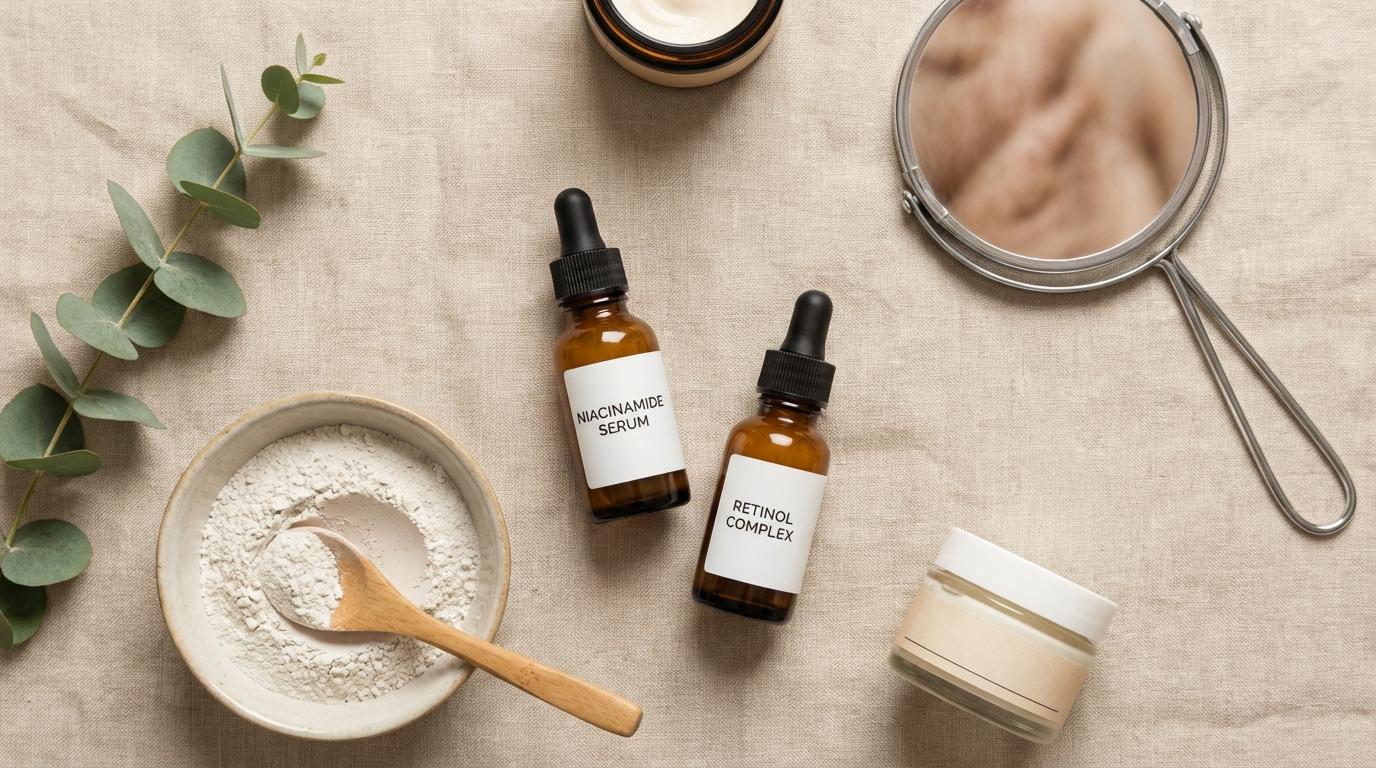
Let’s talk about pores. Specifically, why yours look the way they do and what science actually says about making them appear smaller. I promise to skip the marketing fluff and give you the real breakdown.
The Truth About Pore Size
Here’s what most brands won’t tell you: pore size is largely determined by genetics. Studies have shown that people with oily skin types tend to have larger pores because their sebaceous glands are more active. And just like you can’t change your eye color, you can’t physically shrink a pore.
But wait. That doesn’t mean you’re stuck with whatever situation you’re dealing with right now. There’s a significant difference between the size of a pore and the appearance of a pore. This is where routine actually matters.
Why Pores Look Larger Than They Should
Several factors make pores appear more prominent than their actual size:
- Clogged pores: When sebum, dead skin cells, and debris accumulate, they stretch the pore walls
- Sun damage: UV exposure breaks down collagen, which provides structural support around pores
- Age: As skin loses elasticity, pores become less taut and more visible
- Dehydration: When skin lacks water, texture becomes more pronounced
The good news? You can address every single one of these factors with a targeted routine.
Ingredients That Actually Work
Niacinamide (Vitamin B3)
This is one of my favorite ingredients because it’s backed by actual research. A 2006 study found that 2% niacinamide reduced pore appearance after 4 weeks of use. It works by regulating sebum production and strengthening the skin barrier.
Look for serums with 5-10% concentration. Apply after cleansing, before heavier products. It plays well with most other ingredients, so layering isn’t an issue.
Retinoids
Retinol (and its stronger prescription counterpart, tretinoin) increases cell turnover. This prevents the buildup that leads to stretched pores. It also stimulates collagen production, which helps skin stay firm around pore openings.
Start slowly. Use retinol 2-3 times per week at night, building up as your skin adjusts. Expect 3-6 months before seeing real changes in pore appearance.
Salicylic Acid (BHA)
Unlike water-soluble acids, salicylic acid is oil-soluble. This means it can actually penetrate into pores and dissolve the gunk inside. Regular use keeps pores clear, preventing the stretching that makes them look larger.
A 2% salicylic acid cleanser or toner used daily can make a noticeable difference within a few weeks.
The Routine That Works
Morning:
- Gentle cleanser (or just water if you’re not oily in the AM)
- Niacinamide serum
- Lightweight moisturizer
- Sunscreen (SPF 30+, non-comedogenic)
Evening:
- Oil-based cleanser if wearing makeup or sunscreen
- Salicylic acid cleanser or water-based cleanser
- Retinol (2-3 nights per week, building up)
- Moisturizer
What Definitely Won’t Work
Let me save you some money and disappointment:
Pore strips: They provide temporary satisfaction but can actually damage skin over time. The glue irritates, and aggressive pulling can enlarge pores permanently.
“Pore-minimizing” primers: These fill in pores with silicone for a smooth look. They’re fine for a night out but do nothing to actually address the issue. Some can even clog pores with regular use.
Harsh scrubs: Physical exfoliants with large particles (like walnut shell) create micro-tears. Damaged skin = more visible texture.
Over-cleansing: Stripping your skin of oils signals your sebaceous glands to produce even more sebum. This leads to clogged, enlarged-looking pores.
Managing Expectations
I want to be honest with you. If you have genetically large pores, the routine above won’t give you poreless, filtered-photo skin. What it will do:
- Keep pores clear so they appear as small as possible for your skin type
- Improve overall skin texture
- Protect the collagen that keeps skin firm around pores
- Regulate oil production over time
Results take time. You’re looking at 4-6 weeks for initial improvements, 3-6 months for significant changes. Take photos in consistent lighting to track progress, because the change is gradual enough that you might not notice otherwise.
The Bottom Line
Pore size is genetic. Pore appearance is controllable. Focus on keeping pores clear with salicylic acid, regulating oil with niacinamide, and building collagen with retinoids. Protect your skin from sun damage with daily SPF.
Skip the gimmicks. Stick to the science. Your skin will look better for it.