
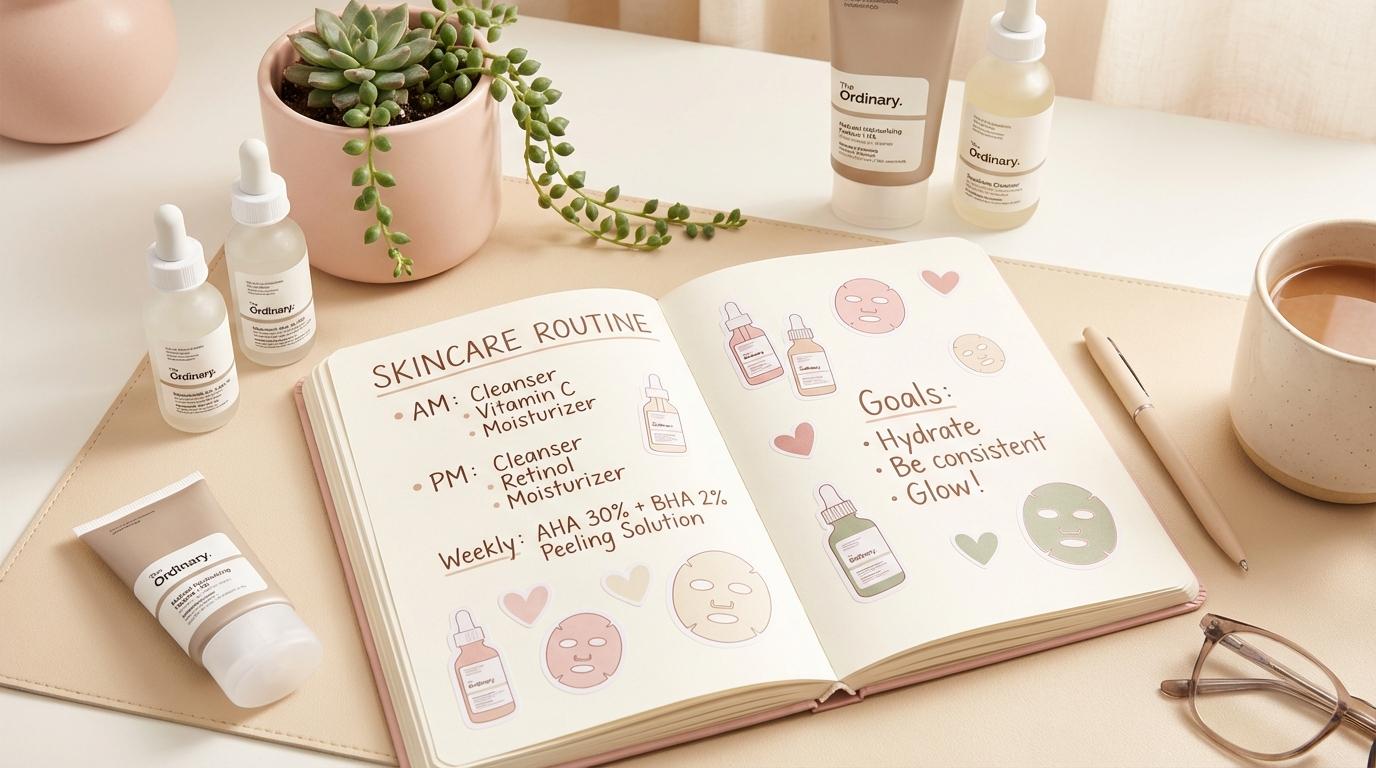
When The Ordinary first launched their online regimen builder, it felt like someone had finally handed us a map for a brand that can be genuinely confusing to navigate. Dozens of serums with clinical-sounding names, overlapping benefits, and strict layering rules made The Ordinary brilliant but intimidating. The regimen builder helps, though it has its quirks, and knowing a few workarounds will save you from both product conflicts and unnecessary spending.
Understanding How the Builder Works
The Ordinary’s regimen builder asks you to select your skin concerns, then generates a morning and evening routine from their product range. It is free, takes about two minutes, and produces a result that is technically sound. The algorithm avoids known ingredient conflicts (like niacinamide with direct acids, or multiple strong actives in one routine) and organizes products by texture, from thinnest to thickest.
What the builder does not do is prioritize. It tends to suggest more products than most people need, because every concern you select adds another item to the list. If you check “fine lines,” “uneven tone,” “textural irregularities,” and “dullness,” you may end up with a six-step routine that feels overwhelming and costs more than necessary. The first hack is simple: select only your top two concerns. You can always add a third product later, but starting with a focused routine gives your skin time to adjust and makes it easier to identify what is actually working.
Products That Layer Beautifully Together
The Ordinary formulas vary widely in texture. Some are watery serums, some are oily suspensions, and some are thick creams. The regimen builder usually gets the order right, but it does not tell you which combinations feel particularly good on the skin. Through plenty of personal testing, these are pairings that layer smoothly and complement each other without pilling or heaviness.
Hyaluronic Acid 2% + B5 followed by Niacinamide 10% + Zinc 1% is a classic morning combination. Both are water-based, both absorb quickly, and they address hydration and oil control simultaneously. Apply the HA first on slightly damp skin, give it thirty seconds, then layer the niacinamide on top.
For evenings, the Granactive Retinoid 2% Emulsion pairs wonderfully with the Rosehip Seed Oil. The retinoid in its squalane-based emulsion absorbs first, and the rosehip oil seals everything in with additional linoleic acid and mild antioxidant support. This combination feels nourishing without any greasiness by morning.
The Buffet serum (peptide complex) works well under nearly anything. Its water-based formula means it plays nicely with both oil and water-based products that follow. It is one of the most versatile layering products in the entire range.
What to Avoid Combining
The regimen builder handles most conflicts, but a few combinations slip through or come up when people go off-script and start mixing recommendations from different regimen results.
- Do not use direct acids (Glycolic Acid 7% Toning Solution, Lactic Acid, Mandelic Acid, or the AHA 30% + BHA 2% Peeling Solution) on the same night as any retinoid. Alternate nights instead.
- The Vitamin C Suspension 23% + HA Spheres is an oil-based, gritty formula that does not layer well under water-based products. Use it as your last step before moisturizer, or mix a small amount into your moisturizer for easier application.
- Avoid stacking multiple exfoliating acids in one routine. The builder usually prevents this, but if you are combining suggestions from two different regimen results, you might accidentally end up with glycolic acid and salicylic acid in the same evening. That is too much exfoliation for most skin types.
- The Niacinamide 10% + Zinc 1% and direct vitamin C (L-Ascorbic Acid powder or the Vitamin C Suspension) can cause flushing in some people. The Ordinary themselves have acknowledged this, suggesting you use them at different times of day.
The Cost Breakdown Trick
One of the best things about The Ordinary is the price transparency. A full routine can cost less than a single product from many other brands. But the regimen builder does not show you the total cost of the suggested routine, which is a missed opportunity. Running the numbers yourself reveals some interesting things.
A basic three-product morning routine (cleanser, one serum, moisturizer) from The Ordinary costs between $18 and $25 total. A three-product evening routine (cleanser, one active, moisturizer) adds another $15 to $22. That means a complete, well-rounded skincare routine from The Ordinary can cost under $50, and each product lasts two to four months depending on usage.
The savings hack here is knowing which products pull double duty. The Squalane Cleanser works as both a makeup remover and a gentle cleanser, eliminating the need for a separate micellar water. Natural Moisturizing Factors + HA is a straightforward, effective moisturizer that works morning and evening, so you do not need separate day and night creams. These small consolidations keep the routine tight and the cost down.
If you are exploring other budget-friendly skincare options, The Ordinary consistently ranks among the best value-for-money brands available.
Building for Specific Skin Types
The regimen builder asks about concerns but does not ask enough about skin type. A few type-specific adjustments make the results more useful.
For oily skin, swap the suggested Natural Moisturizing Factors for the lighter Natural Moisturizing Factors + PhytoCeramides, or skip the dedicated moisturizer entirely if you are using a hydrating serum like the Marine Hyaluronics. The Niacinamide 10% + Zinc 1% should be in every oily-skin routine from this brand, as the zinc helps regulate sebum production.
For dry skin, the regimen builder often underestimates how much moisture support you need. Add the 100% Plant-Derived Squalane as a final step, and consider using the Hyaluronic Acid 2% + B5 both morning and evening instead of just once a day. The builder sometimes suggests it for only one routine.
For sensitive skin, be cautious with the Glycolic Acid 7% Toning Solution even if the builder suggests it. Start with the Lactic Acid 5% + HA instead, or better yet, a PHA like gluconolactone from another brand. The Ordinary does not currently offer a standalone PHA product, which is a gap in their range.
Getting More From the Builder Results
The regimen builder gives you a starting point. Treat it as exactly that, a starting point, not a prescription. A few principles help you refine the results over time.
Introduce one new product at a time, with at least two weeks between additions. This is the only way to know what is helping and what might be causing issues. The builder gives you a full routine all at once, but your skin needs a slower introduction.
Keep a simple note on your phone tracking what you are using each week and any changes you notice. It does not need to be elaborate. “Week 3, added niacinamide, no irritation, maybe slightly less oily by afternoon” is enough. These notes become valuable when you are deciding whether to repurchase.
Revisit the builder seasonally. Your skin’s needs shift with humidity, temperature, and sun exposure. A routine that works beautifully in winter may feel too heavy in summer. Running the builder again with adjusted concerns gives you a fresh perspective without having to research from scratch.
The Ordinary made clinical skincare affordable. The regimen builder made it approachable. With a few mindful adjustments, you can build a routine that is both effective and sustainable, for your skin and your wallet. Products from brands like The Inkey List can also fill gaps where The Ordinary’s range falls short, giving you the best of budget skincare without compromise.