
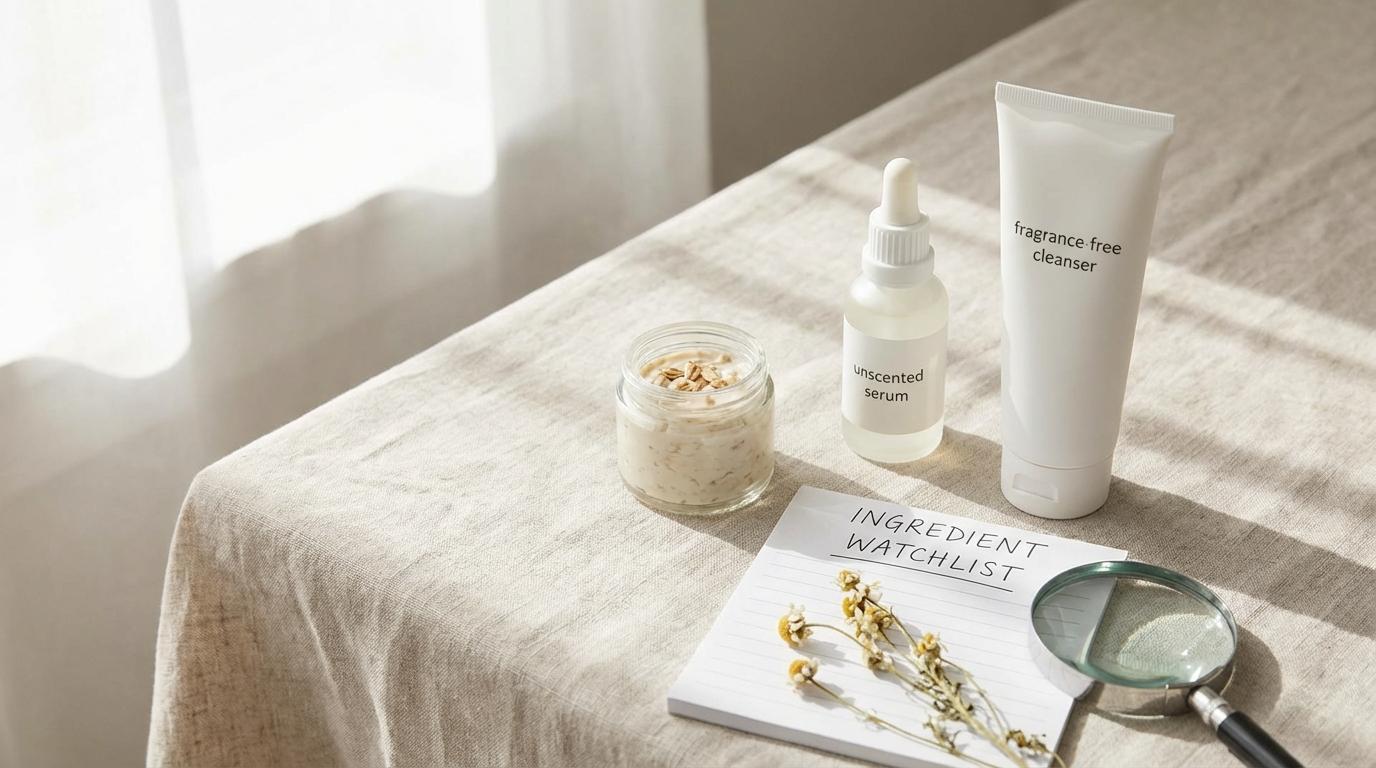
If your skin has ever turned red from a product that promised to be “gentle,” or if patch testing has become your full-time hobby, you already know the frustration. Having skin that reacts to seemingly everything can feel isolating. You watch friends layer on serums and actives while you’re over here wondering if your moisturizer is going to betray you today. But here’s what I want you to know: building a routine for ultra-reactive skin isn’t about finding the perfect product. It’s about stripping back to the essentials and learning to trust your skin again.
Understanding Why Your Skin Overreacts
Before we talk products, let’s talk about what’s actually happening. Reactive skin typically has a compromised skin barrier. Think of your skin barrier as a brick wall where the bricks are skin cells and the mortar is made up of lipids, ceramides, and fatty acids. When that barrier is weakened or damaged, irritants slip through more easily, water escapes faster, and your skin sounds the alarm by turning red, burning, or breaking out.
This sensitivity can be genetic, but it’s often made worse by over-exfoliating, using too many actives, environmental factors, or simply using products with too many ingredients. The more ingredients in a formula, the higher the chance one of them won’t agree with your skin. The American Academy of Dermatology notes that sensitive skin affects millions of people and often goes hand in hand with conditions like eczema, rosacea, or contact dermatitis.
The tricky part is that reactive skin doesn’t always follow logic. Something might work beautifully for months and then suddenly cause irritation. Stress, hormones, weather changes, and even your diet can shift how your skin responds. This is why a flexible, minimalist approach works better than a rigid routine.
The Ingredient Watchlist: What to Avoid
When your skin reacts to everything, ingredient lists become your homework. Here are the most common triggers for reactive skin:
- Fragrance: This is the number one offender. “Fragrance” on a label can mean dozens of undisclosed chemicals. Even “natural” fragrances from essential oils can cause reactions. Look for “fragrance-free” specifically, not just “unscented.”
- Alcohol (denatured): Alcohol denat, SD alcohol, and isopropyl alcohol can strip and irritate. Fatty alcohols like cetyl and cetearyl alcohol are usually fine.
- Essential oils: Lavender, tea tree, citrus oils, and peppermint are common irritants despite their natural reputation.
- Chemical sunscreen filters: Oxybenzone, avobenzone, and octinoxate can trigger reactions in sensitive individuals.
- Harsh surfactants: Sodium lauryl sulfate (SLS) and sodium laureth sulfate (SLES) can be too stripping for reactive skin.
- Retinoids (initially): While beneficial long-term, these can be too intense for very reactive skin without careful introduction.
- High-concentration actives: Vitamin C above 10%, strong AHAs, and high-strength niacinamide can overwhelm sensitive barriers.
Keep a simple notes app on your phone where you track products and reactions. After a few months, you’ll start seeing patterns. Maybe it’s always the products with phenoxyethanol. Maybe your skin hates anything with citrus extracts. Your personal watchlist matters more than any generic list because your triggers are unique to you.
Finding Products That Actually Work
The search for tolerable products can feel endless, but there’s a method to it. Start by looking for formulas with short ingredient lists. Some dermatologists recommend looking for products with fewer than 10 ingredients when you’re trying to calm reactive skin. This reduces variables and makes it easier to identify what’s causing problems if a reaction occurs.
Brands that specialize in sensitive skin formulations are a good starting point. La Roche-Posay’s Toleriane line, Avene, Vanicream, and First Aid Beauty all have products specifically designed for reactive skin. CeraVe’s gentle formulas are widely available at drugstores and tend to work well for many people with sensitivities.
When testing a new product, patch test on a small area (inner arm or behind the ear) for at least 48 hours. If that goes well, try it on a small section of your face for another few days before fully incorporating it. I know this sounds tedious, but it beats a full-face reaction that takes weeks to calm down.
Building Your Safe Routine: The Three Essentials
For skin that reacts to everything, your routine should have three core steps. That’s it. No seven-step regimen, no layering multiple serums. Just three products that work.
Step One: Gentle Cleanser
Your cleanser should never leave your skin feeling tight or squeaky. For very reactive skin, dermatologists often recommend cream or milk cleansers over foaming formulas, as they’re less likely to strip protective oils. Some people with ultra-sensitive skin do well with just lukewarm water in the morning and a gentle cleanser only at night.
Look for cleansers with ceramides, glycerin, or soothing ingredients like allantoin. Avoid anything that markets itself with “deep cleansing” or “pore purifying” language. Your goal is to remove dirt and makeup without disturbing your barrier.
Step Two: Barrier-Supporting Moisturizer
This is the most important step for reactive skin. Your moisturizer should contain ingredients that actually repair and support your skin barrier. Research shows that ceramides, in particular, are crucial for barrier function. Fatty acids, cholesterol, hyaluronic acid, and glycerin are other ingredients that help restore and maintain hydration.
Apply your moisturizer within a few minutes of washing your face, while your skin is still slightly damp. This helps lock in hydration and prevents that tight, uncomfortable feeling. If your skin is extremely reactive, you might do this step twice a day, morning and night, even if you skip everything else.
Step Three: Mineral Sunscreen
Sun protection is non-negotiable, even for sensitive skin. The difference is that reactive skin usually tolerates mineral (physical) sunscreens better than chemical ones. Zinc oxide and titanium dioxide sit on top of the skin rather than absorbing into it, which means less chance of irritation.
Yes, mineral sunscreens can leave a white cast, especially on deeper skin tones. Tinted versions help with this, and formulas have improved significantly in recent years. EltaMD and Colorescience make mineral options that blend well on various skin tones.
What About Treating Skin Concerns?
Having reactive skin doesn’t mean you can never address acne, hyperpigmentation, or fine lines. It just means you need to move slowly and choose gentler options.
If you want to incorporate an active ingredient, start with the lowest concentration available. Use it once or twice a week initially, not daily. Give your skin at least two to three weeks at each frequency before increasing. This slow introduction gives your barrier time to adapt rather than freaking out.
Some actives are generally better tolerated by sensitive skin. Azelaic acid at lower concentrations (around 10%) can help with both acne and redness without the irritation of other acids. Niacinamide at 2-5% (not the 10%+ formulas) can improve barrier function and reduce inflammation. Centella asiatica (cica) and green tea extract offer antioxidant benefits with minimal irritation risk.
If you want to try retinoids, bakuchiol is a gentler plant-based alternative that some studies suggest works similarly to retinol with less irritation. If you go the traditional retinoid route, start with a low-percentage retinol (0.025% or lower) used once a week, buffered with moisturizer.
When Your Skin Flares Up
Even with the most careful routine, flares happen. When they do, here’s the protocol that dermatologists recommend.
First, stop using everything except your basic three products. If even those are irritating, scale back to just water and a plain, bland moisturizer like Vanicream or Aquaphor. This isn’t forever. It’s just giving your skin a chance to calm down.
Cool compresses can help reduce inflammation and soothe burning sensations. Keep your products in the fridge for extra cooling relief. Avoid hot water, which can worsen inflammation and disrupt your barrier further.
If you recently introduced a new product, that’s likely the culprit. Make note of its ingredients and cross-reference with any other products that have caused reactions. Over time, you’ll build your personal “do not use” list.
For persistent or severe reactions, see a dermatologist. Sometimes reactive skin is actually an underlying condition like rosacea, seborrheic dermatitis, or allergic contact dermatitis that needs specific treatment. A professional can help you identify triggers through patch testing and prescribe barrier-repair treatments if needed.
The Lifestyle Factors That Matter
Your routine isn’t just what you put on your face. Several lifestyle factors can either calm or aggravate reactive skin.
Sleep deprivation increases inflammation throughout your body, including your skin. When you’re tired, your skin barrier doesn’t repair itself as effectively overnight. Aim for consistent sleep, even if the total hours aren’t perfect.
Stress triggers cortisol release, which can increase inflammation and make your skin more reactive. I’m not going to tell you to “just relax” because that’s not helpful, but finding small ways to manage stress (a short walk, breathing exercises, whatever works for you) can genuinely help your skin.
What you eat matters too. Some people notice that dairy, sugar, or alcohol makes their skin more reactive. You don’t need to eliminate entire food groups, but paying attention to how your skin responds after certain meals can reveal connections.
Your pillowcase and laundry detergent are sneaky culprits. Switch to fragrance-free laundry detergent and consider silk or bamboo pillowcases, which create less friction and harbor fewer bacteria than cotton.
Building Trust with Your Skin Again
The hardest part of having reactive skin isn’t the physical symptoms. It’s the anxiety around trying anything new, the frustration of watching products work for everyone except you, and the feeling that your skin is working against you.
But your skin isn’t the enemy. It’s actually doing its job by alerting you when something isn’t right. The reactivity is communication. Your job is to listen, adjust, and slowly rebuild that trust.
Start small. Find your three safe products and stick with them for at least a month before adding anything else. Celebrate the small wins, like a week without redness or finding a sunscreen that doesn’t burn. Keep your routine simple and your expectations realistic.
Reactive skin can become more resilient over time as you repair your barrier and avoid triggers. Many people find that their skin becomes less reactive after months of gentle, consistent care. It won’t happen overnight, but it does happen. Be patient with yourself and with your skin. You’re learning its language, and that takes time.