
You think it’s hormones because that’s what everyone says about cheek acne. It’s not. When breakouts keep showing up on one side of your face while the other side stays clear, the answer is almost always something external, something you’re doing without realizing it.
Asymmetric acne has a cause. Usually, it’s right in front of you. And once you identify it, you can actually fix it, no expensive treatments required.
Your Pillowcase Is the Prime Suspect
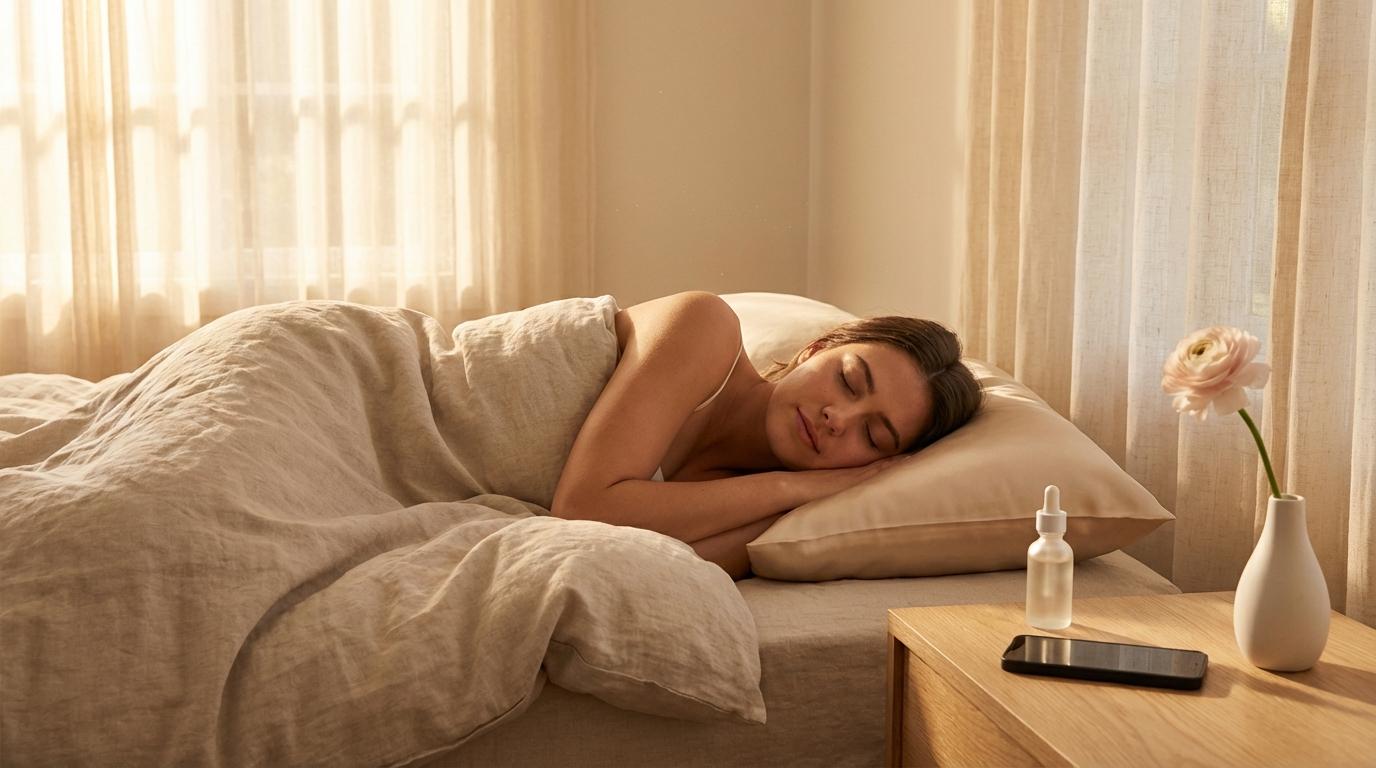
Think about it. You sleep on one side. Maybe you’ve slept on that side your entire life. Every night, your cheek presses into fabric that’s collected oil, dead skin, bacteria, and whatever hair products you used before bed.
According to dermatological research, pillowcases harbor a concerning amount of bacteria and debris after just a few days of use. All that gunk transfers directly onto your face. Eight hours of contact, night after night, on the same spot.
The fix is almost too simple. Change your pillowcase twice a week minimum. If you have acne-prone skin or sweat at night, make that every other day. You can also flip your pillow halfway through the week for an extra clean surface.
Silk or bamboo pillowcases can help reduce friction and bacterial buildup, but they’re not necessary. A clean cotton pillowcase, changed frequently, does the job. Dermatologists at Westlake Dermatology note that silk is gentle on skin and helps retain moisture, but consistency with washing matters more than fabric choice.
We’ve covered this topic in depth before, including how hair products transfer overnight. Check out our guide on pillowcase hygiene and acne for the full breakdown.
Your Phone Is Basically a Petri Dish
Which side do you hold your phone to? Now think about where your breakouts are. Coincidence? Probably not.
Your phone touches everything. Counters, bags, your hands after touching door handles. Then you press it against your face for a 20-minute call with your mom. The bacteria transfers, the pressure irritates your skin, and the heat from the phone makes it worse.
Studies have found that cell phones can carry more bacteria than a toilet seat. I know that sounds dramatic, but it’s documented. According to skincare researchers, the warm, moist environment created when your phone presses against your cheek is ideal for acne-causing bacteria.
Two solutions. First, use speakerphone or earbuds when possible. Second, wipe down your phone screen daily with a microfiber cloth and phone-safe disinfectant. Takes 10 seconds.
Your Hair Might Be the Culprit
If your hair falls on one side of your face, the products in your hair are touching your skin all day. Oils, leave-in conditioners, dry shampoo, styling products. Most of these are comedogenic, meaning they can clog pores.
This is especially relevant if you wear your hair in a side part or have bangs that sweep across one cheek. The hairline acne on that side isn’t a coincidence.
Try pinning your hair back while you’re at home. Sleep with your hair pulled up or in a loose braid. If you can, go a few days without heavy styling products and see if the breakouts calm down.
Also consider what’s happening when you wash your hair. If conditioner runs down one side of your face in the shower, that residue can cause issues. Wash your face last in your shower routine to rinse off any product that transferred.
Sun Exposure Isn’t Always Even
If you drive regularly, think about which side of your face gets more sun. The driver’s side window exposes your left cheek (or right, depending on your country) to consistent UV rays. Car windows don’t fully block UVA radiation.
Sun damage triggers inflammation. Inflammation can trigger breakouts. It can also make existing acne worse and lead to more visible scarring on the sun-exposed side.
Wear sunscreen daily, even if you’re “just driving.” Make sure you’re covering both sides of your face evenly, including the often-missed areas near your ears and jawline.
Touching Your Face Without Noticing
Most people have a dominant hand they rest their chin on, or a side they lean on while working at their desk. If you spend hours with your hand against your cheek, you’re transferring bacteria and oils directly to that spot. And the pressure doesn’t help either.
Pay attention for one day. Notice every time you touch your face. It’s probably more than you think. The awareness alone can help you break the habit.
It Could Be Your Sleeping Position
Beyond the pillowcase issue, how you sleep matters. Stomach sleepers put pressure on one side of their face all night. Side sleepers have one cheek pressed into fabric for hours. Back sleeping is the gentlest on your skin, but it’s hard to train yourself if you’ve been a side sleeper forever.
If changing your pillowcase frequently doesn’t help, consider alternating which side you sleep on. Yes, it’s annoying. But if one cheek is constantly inflamed and the other is clear, it’s worth trying.
When Lifestyle Changes Don’t Work
Give these adjustments 6 to 8 weeks. If you’ve been diligent about pillowcase hygiene, phone cleanliness, and the other factors mentioned above but you’re still breaking out on one side, it might be time to see a dermatologist.
One-sided acne can occasionally indicate hormonal imbalances that affect one area more than another, though this is rarer than external causes. Persistent asymmetric breakouts that don’t respond to lifestyle changes warrant professional evaluation.
If you’re dealing with stress-related skin issues on top of this, that can compound the problem. When cortisol levels spike, your skin’s healing capacity decreases. We wrote about how stress affects your skin if you want to understand that connection better.
A Simple Checklist
Before you throw money at serums and spot treatments, run through these questions:
- When did you last wash your pillowcase?
- Which side do you hold your phone to?
- Does your hair touch one side of your face more?
- Which side of your face gets more sun?
- Do you rest your hand on one cheek?
- What position do you sleep in?
The answer to why you’re breaking out on one side is probably in that list. Address the root cause first. Expensive products can’t fix a dirty pillowcase or a bacteria-covered phone screen.
Sometimes the simplest explanations are the right ones. Asymmetric breakouts feel mysterious, but they’re usually the most fixable kind of acne. Look at your daily habits before you look at your skincare routine. If you want to level up your overall acne approach, our guide on niacinamide for acne covers one of the most effective ingredients for managing breakouts once you’ve addressed the external factors.