
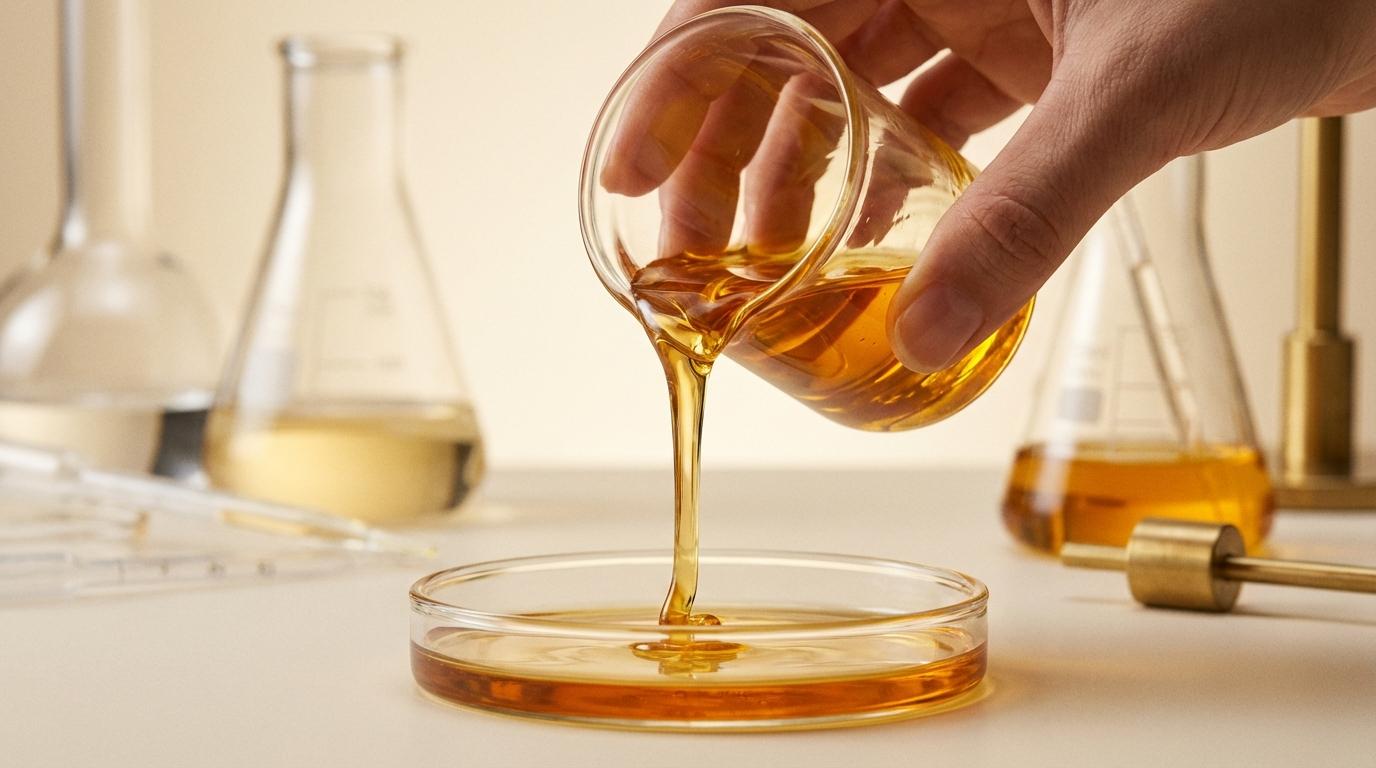
Right now, as you read this, your sebaceous glands are synthesizing a complex mixture of lipids that travels up through your hair follicles and spreads across your skin’s surface. This oily substance we call sebum is far more sophisticated than most people realize, containing unique molecules found nowhere else in the human body. Understanding what your skin’s oil is actually made of can transform how you think about managing oily skin, treating acne, and keeping your complexion balanced.
The Building Blocks of Sebum
When scientists analyze human sebum, they find a specific recipe that sets us apart from virtually every other species. Triglycerides and free fatty acids make up the largest portion at around 57% of total sebum content. These are the same types of fats you find in cooking oils, though the specific fatty acids in sebum are different from what you would find in olive oil or coconut oil.
Wax esters come in second place at roughly 26% of sebum composition. These waxy compounds form when fatty acids bond with fatty alcohols, creating molecules that help sebum spread evenly across your skin while providing a protective coating. Interestingly, wax esters are unique to sebum and are not found in other body tissues.
Then there is squalene, accounting for about 12% of sebum. This is where things get fascinating from a biochemistry perspective. Squalene is a precursor to cholesterol in most body tissues, meaning cells typically convert it into cholesterol as part of a longer synthesis pathway. But sebaceous glands do something unusual: they produce squalene and then just stop. They do not complete the conversion to cholesterol, leaving this intermediate molecule to be secreted as a major sebum component. Squalene is completely absent from the sebum of most other mammals, making it distinctly human.
The remaining portion consists of cholesterol and cholesterol esters at about 5% combined. While these percentages provide a general framework, individual variation exists based on genetics, age, hormones, and yes, even diet.
Why Sebum Oxidizes and Why It Matters
That freshly produced sebum sitting in your pores does not stay pristine for long. Within hours of reaching your skin’s surface, exposure to oxygen, UV radiation, and environmental pollutants begins breaking down certain components through a process called oxidation.
Squalene is particularly vulnerable to this breakdown. With six double bonds in its molecular structure, squalene readily reacts with oxygen, especially when exposed to sunlight. The result is squalene peroxide, a compound that has been directly linked to acne development. Research shows that people with acne-prone skin have significantly higher levels of oxidized squalene compared to those with clear skin. One study found that acne patients had 79% more squalene peroxide in their sebum.
This oxidized sebum triggers a cascade of problems. Squalene peroxide is highly comedogenic, meaning it promotes the clogged pores that become blackheads and whiteheads. It also stimulates inflammation in skin cells, contributing to the redness and swelling of inflammatory acne. Perhaps most importantly, oxidation of sebum changes the oxygen environment within the follicle, creating conditions where Cutibacterium acnes (formerly called P. acnes) can thrive.
Your skin does have some natural defenses against this oxidation. Vitamin E travels in sebum as an antioxidant, neutralizing some of the free radicals that would otherwise damage squalene. However, research indicates that people with acne have depleted vitamin E levels in their sebum, suggesting their antioxidant reserves are being overwhelmed.
The Linoleic Acid Connection
Beyond the oxidation issue, the specific fatty acids in your sebum play a crucial role in skin health. Linoleic acid, an omega-6 fatty acid, is particularly important. This essential fatty acid gets incorporated into ceramides, which form the building blocks of your skin barrier. Without adequate linoleic acid, the barrier becomes compromised, leading to increased water loss and susceptibility to irritation.
Studies have consistently found that people with acne have lower concentrations of linoleic acid in their sebum compared to people without acne. This deficiency may contribute to the abnormal keratinization (skin cell shedding) within follicles that leads to clogged pores. Some researchers believe that topically applied linoleic acid can help correct this imbalance, which is one reason why certain plant oils high in linoleic acid have gained popularity in skincare routines.
Sapienic acid is another fatty acid worth knowing about. This one is synthesized by your sebaceous glands from palmitic acid and represents the predominant fatty acid in human sebum. Sapienic acid has antimicrobial properties, helping protect your skin from certain bacteria and fungi. The balance between different fatty acids in your sebum influences both its protective properties and its potential to cause problems.
How Diet Influences Your Sebum
What you eat does affect what your sebaceous glands produce, though perhaps not in the ways you might expect. The relationship between diet and sebum is more nuanced than the old “greasy food causes greasy skin” myth suggests.
Omega-3 fatty acids, found abundantly in fatty fish, walnuts, and flaxseed, appear to modulate sebum production through several mechanisms. They help regulate inflammation throughout the body, including in the sebaceous glands. They also influence hormone metabolism and can reduce cortisol, a stress hormone linked to increased sebum output. Epidemiological studies have noted that populations with high omega-3 intake tend to have lower rates of acne.
The ratio of omega-6 to omega-3 fatty acids in your diet matters more than absolute amounts of either one. Western diets typically contain dramatically more omega-6 than omega-3, sometimes at ratios of 20:1 when the historical human diet was closer to 1:1. This imbalance promotes inflammatory processes throughout the body, potentially affecting sebum composition and skin health.
High glycemic foods, those that spike blood sugar rapidly, have been more convincingly linked to sebum changes than fatty foods. When blood sugar rises quickly, insulin and insulin-like growth factor 1 (IGF-1) increase as well. These hormones stimulate sebaceous gland activity and can alter sebum composition in ways that favor acne development. If you have concerns about supplements and skin health, omega-3s are among the few with reasonable evidence behind them.
Managing Quality, Not Just Quantity
The traditional approach to oily skin has focused on removing sebum through cleansing and absorbing it with mattifying products. While these strategies have their place, they do not address sebum quality at all. In fact, aggressive sebum removal can trigger your glands to produce even more oil as compensation.
A smarter approach considers both how much sebum your skin produces and what that sebum contains. Supporting your skin’s antioxidant capacity can help prevent the squalene oxidation that contributes to acne. Topical vitamin C (particularly sodium ascorbyl phosphate) has been shown to reduce sebum oxidation products by up to 40%. Vitamin E, whether applied topically or consumed through diet, helps protect squalene from degradation.
For those dealing with very oily skin, the goal should not be eliminating oil entirely but rather keeping it fresh and balanced. This might mean washing your face twice daily to remove oxidized sebum before it causes problems, while still using a lightweight moisturizer to signal to your skin that it does not need to overproduce. Niacinamide has research supporting its ability to regulate sebum production without completely suppressing it.
Sun protection takes on additional importance when you understand sebum chemistry. UV exposure accelerates squalene oxidation, so consistent sunscreen use helps maintain sebum quality. For those who struggle with oily skin that still gets dry patches, this dual approach of protection plus balanced hydration makes particular sense.
What This Means for Your Routine
Knowing what sebum contains changes how you might approach your skincare choices. Instead of viewing all oil as the enemy, you can target the specific problems: oxidized lipids, fatty acid imbalances, and excessive production. Each of these has different solutions.
Antioxidant serums applied in the morning help protect the sebum you produce throughout the day from breaking down into comedogenic byproducts. Products containing vitamin C, vitamin E, or niacinamide address this oxidation concern. If your skin tolerates retinoids, these can help normalize sebaceous gland function and have been shown to reduce squalene peroxide levels.
Gentle but thorough cleansing removes aged, oxidized sebum without stripping your skin so aggressively that it compensates by producing more. Double cleansing at night, using an oil based cleanser followed by a water based one, effectively dissolves sebum while respecting your skin’s balance.
Dietary choices that support healthy sebum might include increasing fatty fish consumption to two or three servings per week, reducing high glycemic foods, and ensuring adequate zinc intake, which is involved in sebaceous gland regulation. These changes will not transform your skin overnight, but over months they contribute to a healthier baseline.
Your sebum is not just waste product to be scrubbed away. It is a deliberately produced substance with protective functions, and working with your skin’s natural chemistry rather than against it tends to produce better long term results. The science of sebum composition gives us specific targets for intervention rather than a blanket war against oil.