
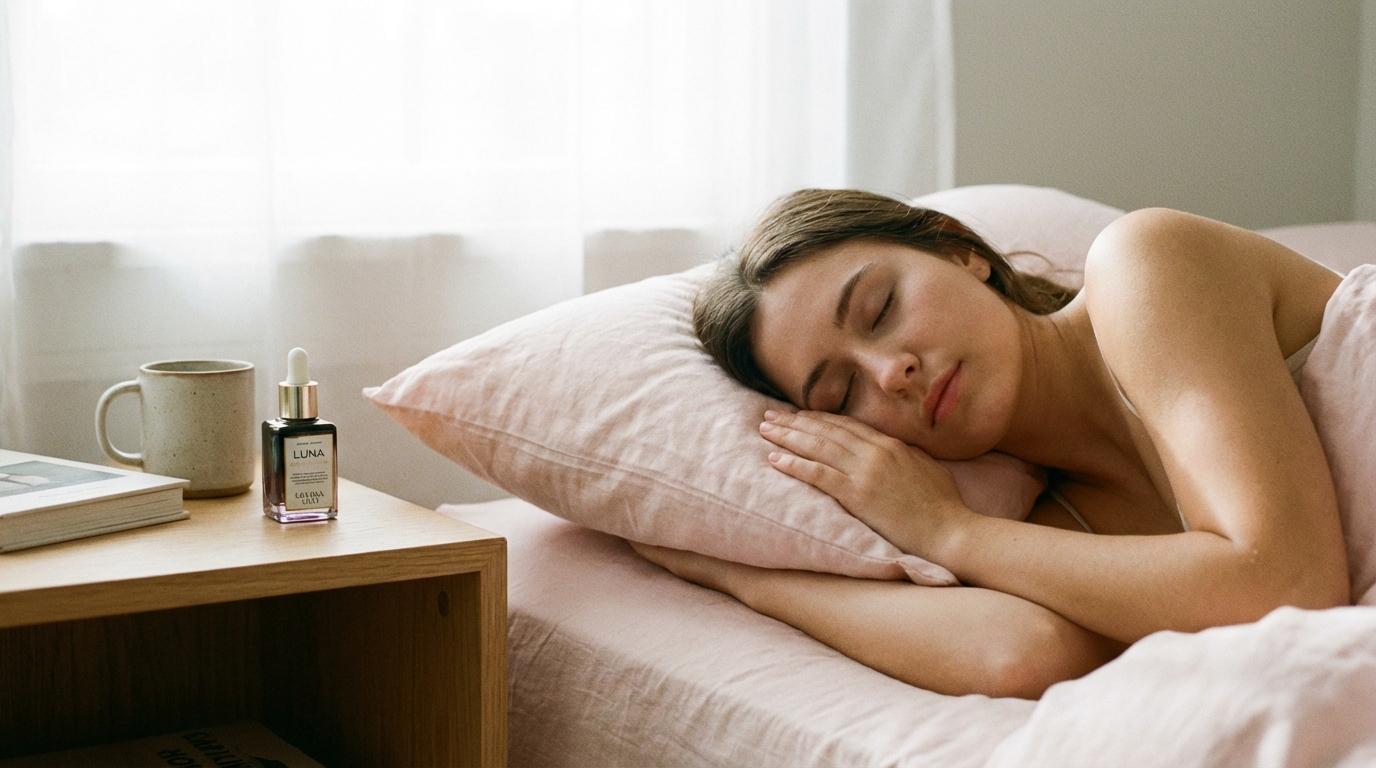
Ever wonder why breakouts keep showing up on the same side of your face? Your sleeping position might be the culprit you never suspected.
I spent years dealing with stubborn cheek acne that would not budge no matter what serums or treatments I threw at it. Then I noticed something: the breakouts were almost exclusively on my left side. The side I sleep on. Once I made that connection, everything changed.
How Your Sleep Position Creates Breakout Zones
Side sleeping puts constant pressure on one side of your face for hours. That pressure does a few things your skin absolutely hates.
First, it compresses your pores. Squished pores trap sebum and dead skin cells inside instead of letting them clear naturally overnight. Second, the friction between your face and pillow creates micro-irritation. Third, all that contact transfers whatever is on your pillowcase directly onto your skin.
This type of breakout has a name: acne mechanica. It happens when something repeatedly rubs against or presses on your skin, trapping heat, sweat, and bacteria. Athletes get it from helmets and chin straps. Side sleepers get it from pillows.
The pattern is usually obvious once you know what to look for. Breakouts concentrated on cheeks and jawline, often worse on one side than the other. If your acne is noticeably asymmetrical, your sleep position is worth investigating.
What Your Pillowcase Is Actually Doing
Your pillowcase collects everything. Skin oils, sweat, dead skin cells, hair products, drool, makeup residue if you forgot to wash your face. After a few nights, you are pressing your face into a breeding ground for bacteria.
According to dermatologists at Westlake Dermatology, this buildup can clog pores and trigger breakouts, especially for people with acne-prone or sensitive skin. The problem gets worse the longer you go between washing.
Here is the uncomfortable truth: most people wash their pillowcase once a week at best. Some go longer. If you have acne-prone skin, that is not often enough. The oils and bacteria from your pillowcase can wreak havoc on skin that is already struggling.
The Fixes That Actually Work
You have options here, ranging from free and easy to requiring new purchases.
Change your pillowcase more often. Dermatologists recommend changing it every two to three days if you struggle with breakouts. Some even suggest daily changes. Yes, that means owning multiple pillowcases. Buy a cheap pack and rotate through them.
Switch to silk or satin. Cotton absorbs oils and creates more friction. Silk and satin pillowcases cause less friction against your skin and do not absorb as much of your skincare products overnight. Silk pillowcases are often the top recommendation from dermatologists for people prioritizing skin health.
Try sleeping on your back. This is the gold standard for skin health. No pillow contact means no friction, no pore compression, and no bacteria transfer. Back sleepers tend to have fewer breakouts and even fewer wrinkles long-term.
Changing your sleep position is hard. If you have slept on your side for years, your body will default back to it. Some people use pillows around them to prevent rolling over. Others give up and just focus on keeping their pillowcase clean.
A Middle Ground for Committed Side Sleepers
Not everyone can or wants to sleep on their back. Some people have conditions that make back sleeping uncomfortable. Others just cannot stay in that position all night.
If you are staying a side sleeper, here is how to minimize the damage:
- Use a contoured pillow that reduces how much of your face actually touches the surface
- Alternate sides throughout the night if you can
- Always do your full skincare routine before bed, never skip it
- Keep hair products away from your hairline and off your pillow
- Consider a cooling pillow to reduce sweat buildup
The goal is reducing contact and keeping what does touch your face as clean as possible.
Your Nighttime Routine Matters More Now
If you sleep on your side, your evening skincare routine becomes even more important. Everything you apply to your face will partially transfer to your pillow, then back to your face the next night.
Double cleanse to remove all makeup and sunscreen. Use non-comedogenic products that will not clog pores even if they end up on your pillowcase. Apply your treatments and let them absorb for at least ten minutes before getting into bed.
Some people like to apply their heavier products only to the side they do not sleep on. It sounds excessive, but it can help if you are dealing with persistent one-sided breakouts.
When It Is Not Just Your Pillow
Position-related acne is real, but it is not the only cause of cheek and jawline breakouts. Hormonal acne often shows up in these same areas. So does acne from touching your face, holding your phone against your cheek, or resting your chin on your hand.
If you have fixed your pillowcase situation and changed your sleep position but breakouts persist, look at other factors. Track when breakouts happen in relation to your menstrual cycle. Notice if they appear after phone calls. Consider whether you are unconsciously touching your face during the day.
Sometimes the answer is a combination of factors. Your pillow might be making existing acne worse even if it is not the root cause. Avoiding common routine mistakes can help you identify what is actually triggering your breakouts.
What I Do Now
I own seven silk pillowcases. I change them every other day and wash them weekly on a gentle cycle. I trained myself to sleep on my back about half the time, though I still roll to my side sometimes.
My left cheek breakouts are basically gone. The few pimples I get now are evenly distributed, which tells me they are hormonal or stress-related rather than mechanical.
This is not a glamorous fix. Nobody wants to hear that their acne solution involves doing more laundry. But sometimes the boring answers are the right ones. Your skin spends eight hours pressed against your pillow every night. That matters more than most of us realize.
Start with the free fix: flip your pillow and start sleeping on the other side of the pillowcase tonight. Change your pillowcase in two days. See if anything shifts over the next few weeks. Small changes, real results.