
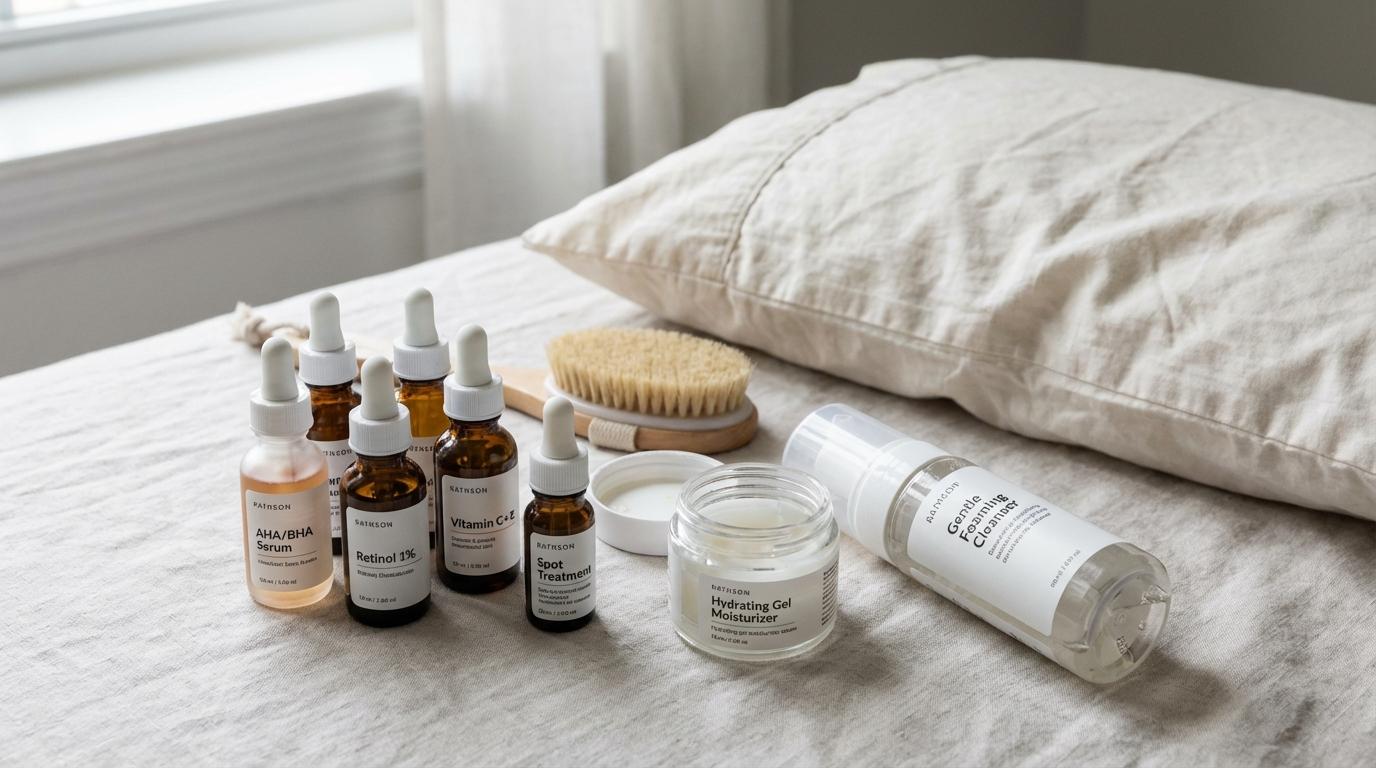
So your skin is breaking out. And you are doing all the things, using all the products, following all the routines you found online. But somehow your acne is getting worse, not better.
Here is the frustrating truth: some of the things you think are helping your acne are actually making it worse. And I know because I did all of these things for years before finally figuring out what was going wrong.
Let me save you some time (and a lot of frustration).
Over-Cleansing Creates More Oil
I get it. Your skin feels oily. You have breakouts. So obviously the solution is to wash your face more, right? Strip away all that oil that is clearly causing the problem?
Nope. This is probably the most counterintuitive thing about acne-prone skin, but washing your face too much actually makes oil production worse.
Here is what happens. When you over-cleanse (using harsh cleansers, washing too often, or scrubbing aggressively), you strip away your skin’s natural protective oils. Your skin panics. It thinks it is dehydrated and under attack. So it produces even more oil to compensate.
According to research reviewed by the American Academy of Dermatology, washing your face twice daily is plenty for most people. More than that can damage your skin barrier and worsen acne.
That squeaky-clean feeling after washing? That is not a good thing. That means you have stripped your skin too much. Your cleanser should remove dirt, makeup, and excess oil without leaving your skin feeling tight or dry.
Switch to a gentle, non-foaming cleanser. I know the foam feels satisfying (trust me, I mourned my foaming cleanser too), but the surfactants that create foam are often the same ones that over-strip your skin.
Too Many Actives at Once
When your skin is breaking out, it is tempting to throw everything at it. Salicylic acid in the morning. Benzoyl peroxide at lunch. Retinol at night. Maybe some glycolic acid in there too because someone on Reddit said it helped them.
This is a recipe for disaster. Using too many active ingredients simultaneously does not multiply their effectiveness. It multiplies their irritation potential.
Your skin has a tolerance limit. When you exceed that limit, you get irritation. Irritated skin is compromised skin. Compromised skin breaks out more easily and takes longer to heal. See the problem?
The National Center for Biotechnology Information has published multiple studies showing that over-exfoliation and active ingredient overuse can damage the skin barrier, leading to increased sensitivity and worsened acne.
Pick one or two active ingredients that address your specific acne type. Give them 6-8 weeks to work. If they are not working after that timeframe, swap one out. Do not just keep adding more products on top.
For most acne, salicylic acid (a BHA that penetrates into pores) or benzoyl peroxide (kills acne bacteria) are good starting points. You do not need both at once. Pick one.
Skipping Moisturizer Backfires
If I had a dollar for every person who told me they skip moisturizer because their skin is oily and acne-prone, I could afford a dermatologist visit (those are not cheap).
Skipping moisturizer does not help oily, acne-prone skin. It makes things worse. This connects back to the over-cleansing problem. Dehydrated skin produces more oil. More oil means more clogged pores. More clogged pores means more breakouts.
Yes, even oily skin needs moisture. The trick is finding the right moisturizer, not eliminating moisturizer entirely.
Look for oil-free, non-comedogenic formulas. Gel moisturizers and water-based lotions work well for oily skin. Ingredients like hyaluronic acid add hydration without heaviness. Niacinamide is excellent because it helps regulate oil production while moisturizing.
Your moisturizer should not feel heavy or greasy. If it does, you have the wrong one for your skin type. But skipping it entirely? That is making your acne worse, not better.
Dirty Tools and Pillowcases
Okay, this one is less about your products and more about your habits. But it matters a lot, and almost everyone overlooks it.
When did you last wash your makeup brushes? Your beauty blender? How about your pillowcase? Your phone screen? (I know, gross to think about.)
All of these things touch your face regularly. All of them collect bacteria, oil, dead skin cells, and product residue. All of them can transfer that buildup back onto your skin, clogging pores and introducing bacteria that cause breakouts.
According to skincare professionals at Byrdie, makeup brushes should be cleaned at least weekly, and beauty blenders should be washed after every use (or at minimum, every few days).
Pillowcases should be changed at least once a week, more often if you have active acne. Sleeping on a dirty pillowcase is basically marinating your face in old oil and bacteria for 8 hours. Not ideal.
Your phone screen is another sneaky culprit. Think about how often you touch your phone, where you set it down, and then how you press it against your face. Wipe it down with an antibacterial wipe regularly, especially if you get breakouts along your jawline and cheeks.
Other Mistakes You Might Be Making
A few more things that commonly make acne worse:
Picking and popping. I know. It is so satisfying. But picking at pimples spreads bacteria, causes inflammation, and leads to scarring. If you must extract something, see a professional or at least wait until it has a clear white head and use proper technique with clean tools.
Changing products too quickly. Skin takes 4-8 weeks to adjust to new products. If you switch your routine every week because you are not seeing instant results, you are never giving anything time to work. Pick a routine and stick with it for at least 6-8 weeks before making changes.
Using products not designed for your acne type. Hormonal acne (usually around the chin and jawline) responds differently than bacterial acne or fungal acne. If your products are not addressing your specific type of acne, they might not help no matter how long you use them.
Not wearing sunscreen. Many acne treatments make your skin more sensitive to sun. Sun damage can cause post-inflammatory hyperpigmentation, making your acne marks look worse and last longer. Wear a lightweight, non-comedogenic SPF daily.
What Actually Helps
Let me give you a simple framework that works better than the chaos most people create:
Cleanse gently, twice a day maximum. Use a mild cleanser that does not strip your skin. If it feels tight after, it is too harsh.
Use one active ingredient targeted to your acne type. Salicylic acid for blackheads and clogged pores. Benzoyl peroxide for inflammatory acne with pustules. Give it time to work.
Always moisturize with an oil-free, non-comedogenic product. Your skin needs hydration to function properly and heal.
Wear sunscreen every single day. A lightweight, non-comedogenic SPF 30 minimum.
Keep everything that touches your face clean. Brushes, sponges, pillowcases, phones. This is free and makes a real difference.
Be patient. Skin turnover takes about 28 days. You need at least 2-3 cycles (6-8 weeks) to see real changes from a new routine. Stop switching things before they have a chance to work.
When to See a Professional
Sometimes acne is beyond what over-the-counter products and good habits can address. If you have tried the basics for a few months with no improvement, or if your acne is severe and causing scarring, it might be time to see a dermatologist.
Prescription options like tretinoin, prescription-strength benzoyl peroxide, antibiotics, or hormonal treatments can make a significant difference for stubborn acne. There is no shame in needing professional help. Acne is a medical condition, not a personal failing.
The Acne.org community has resources for finding affordable dermatology care if cost is a concern.
Stop making things harder for yourself. Fix the mistakes, simplify your routine, and give your skin a fighting chance. It is probably more capable of clearing up than you think, once you stop sabotaging it.