
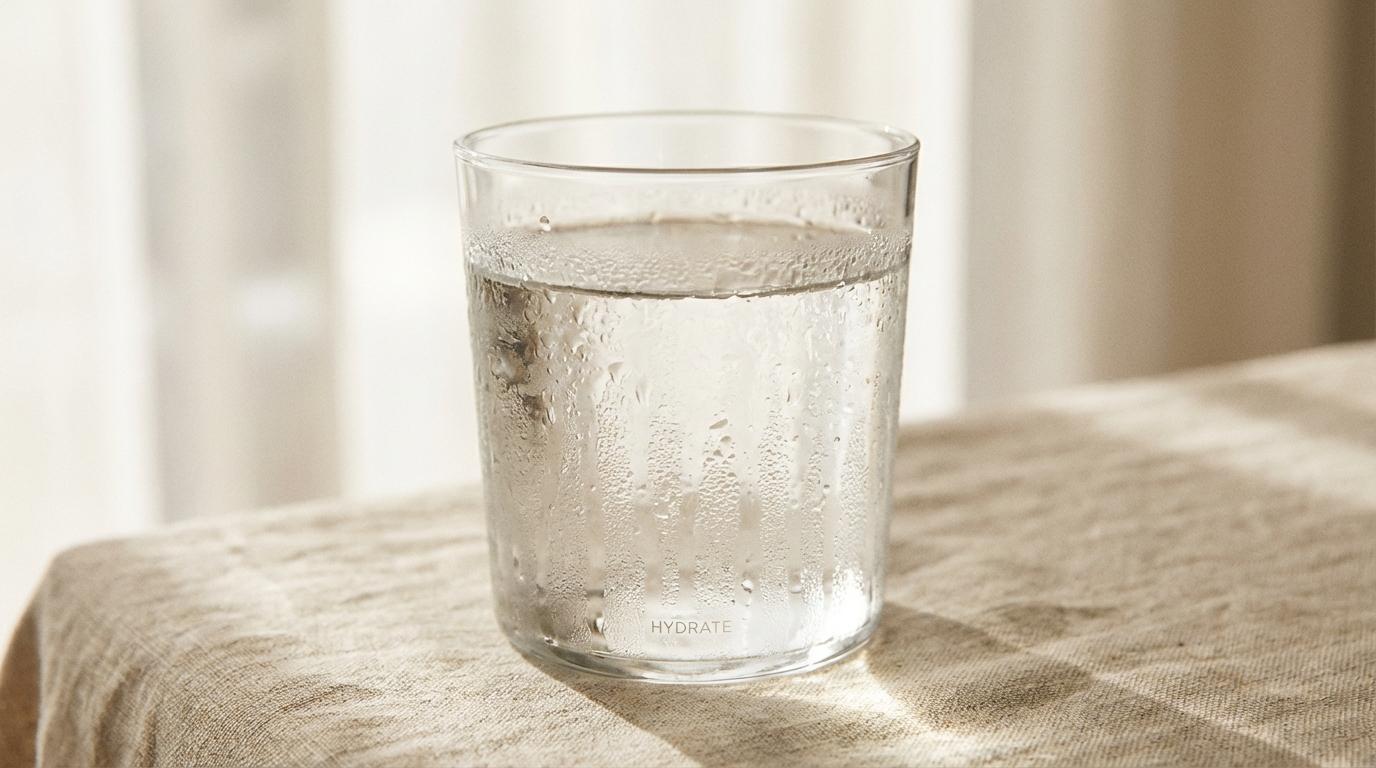
Most people scroll right past sodium PCA on an ingredient list without giving it a second thought. It doesn’t have the name recognition of hyaluronic acid or the buzz of niacinamide. But this quiet little ingredient is one of the most naturally aligned moisturizers you can put on your skin, because your skin already makes it.
Sodium PCA is part of your skin’s natural moisturizing factor, the built-in hydration system that keeps your outer layers soft and supple. When that system is working well, your skin holds water effortlessly. When it’s depleted, whether from over-cleansing, harsh weather, or aging, everything starts to feel tight and dry. Adding sodium PCA back through your products is like restoring something your skin already knows how to use.
What Exactly Is Sodium PCA?
Sodium PCA stands for sodium pyrrolidone carboxylic acid. It’s the sodium salt of pyroglutamic acid, which is derived from the amino acid proline. In simpler terms, it’s a naturally occurring compound that your body produces as part of its moisture-retention system.
Your skin’s natural moisturizing factor, or NMF, is a collection of water-attracting molecules that live in the outermost layer of your skin, the stratum corneum. These molecules pull moisture from the air and from deeper skin layers, keeping the surface hydrated. Sodium PCA makes up roughly 12% of this NMF complex, making it one of the most abundant components.
Other NMF components include amino acids, lactic acid, urea, and various minerals. They all work together. But sodium PCA stands out because of how efficiently it attracts and holds water. It’s classified as a humectant, meaning it draws moisture to itself.
How It Draws in Moisture
Sodium PCA is hygroscopic, which means it naturally absorbs water from its surroundings. This is the same basic principle behind hyaluronic acid, but sodium PCA works at a smaller molecular scale and integrates more seamlessly into the skin’s existing hydration architecture.
One detail that often surprises people is the water-holding capacity. While hyaluronic acid is famous for holding up to 1,000 times its weight in water, sodium PCA can hold up to 250 times its weight. That’s less than hyaluronic acid in absolute terms, but the way sodium PCA works within the skin structure means it delivers hydration more evenly across the stratum corneum rather than creating a surface-level moisture film.
Think of it this way. Hyaluronic acid is like pouring water on top of a sponge. Sodium PCA is like the sponge itself becoming better at holding water throughout its structure. Both are useful, but they work at different levels.
Because sodium PCA is naturally present in skin, it doesn’t sit on top and evaporate the way some humectants can in very dry environments. It integrates into the moisture-retention system and supports it from within. This makes it particularly effective for people who find that hyaluronic acid alone doesn’t quite solve their dryness, especially in winter or in low-humidity climates.
Why Your NMF Gets Depleted
If your skin already produces sodium PCA, why would you need it in a product? Because plenty of everyday factors break down your NMF faster than your skin can rebuild it.
- Over-cleansing: Foaming cleansers and hot water strip NMF components from the stratum corneum. If your face feels squeaky-clean after washing, you’ve probably removed some of your natural moisturizing factor.
- Aging: NMF production declines as you get older. Skin that stayed hydrated effortlessly in your twenties may start needing more support by your thirties and forties.
- Sun exposure: UV damage impairs the enzymes that produce NMF components, including sodium PCA.
- Harsh actives: Over-exfoliating with strong acids or retinoids can temporarily deplete your NMF while the skin barrier recovers.
- Low humidity: Dry air pulls moisture from your skin faster, and when NMF levels are already low, the effect is amplified.
Replenishing sodium PCA through skincare products helps bridge the gap while your skin rebuilds its own supplies. It’s not a permanent fix, but it provides immediate and ongoing hydration support that works with your skin’s natural systems rather than replacing them.
Finding Sodium PCA in Products
Sodium PCA shows up in a surprising range of skincare products, though it rarely gets top billing. You’ll find it in hydrating serums, toners, essences, moisturizers, and even some cleansers. It’s a popular formulation ingredient because it’s well-tolerated, non-irritating, and compatible with virtually every other skincare active.
On ingredient lists, look for “sodium PCA” or sometimes “sodium pyroglutamate.” It can appear anywhere from the middle to the lower third of the list. Even at low concentrations, it contributes to a product’s overall hydration profile. If you’re curious about how to read those ingredient positions, understanding effective ingredient levels in products is helpful context.
Some products that commonly include sodium PCA:
- Hydrating toners and essences, especially those marketed for sensitive skin
- Lightweight moisturizers designed for layering
- Post-treatment recovery products (after peels or laser treatments)
- Hair care products, where it serves the same moisture-retention purpose for the scalp
Brands that focus on barrier repair and gentle hydration tend to use sodium PCA more frequently. You’ll see it in products from CeraVe, Stratia, and various Korean skincare lines that prioritize the NMF replenishment approach.
Pairing It With Other Hydrators
Sodium PCA plays well with other moisturizing ingredients, and layering them together often produces better results than using any one humectant alone. This follows the principle that your skin’s natural hydration system uses multiple components in concert, not a single ingredient.
Good pairings include:
- Hyaluronic acid + sodium PCA: Covers both surface-level and deeper hydration within the stratum corneum.
- Ceramides + sodium PCA: Ceramides reinforce the lipid barrier while sodium PCA handles water retention within it.
- Glycerin + sodium PCA: Two gentle humectants that don’t compete with each other. Glycerin works at the surface; sodium PCA works within the NMF.
The beauty of sodium PCA is that it doesn’t demand a complicated routine. It’s gentle enough to use daily, won’t conflict with actives like retinol or vitamin C, and it doesn’t require any special application technique. A product containing it simply works quietly in the background, supporting moisture levels without asking for attention.
For anyone building a gentle, sensitive-skin-friendly routine, sodium PCA is the kind of ingredient that belongs in your toolkit. It won’t make headlines. It won’t trend on social media. But it will keep your skin hydrated in a way that feels natural, because it is.