
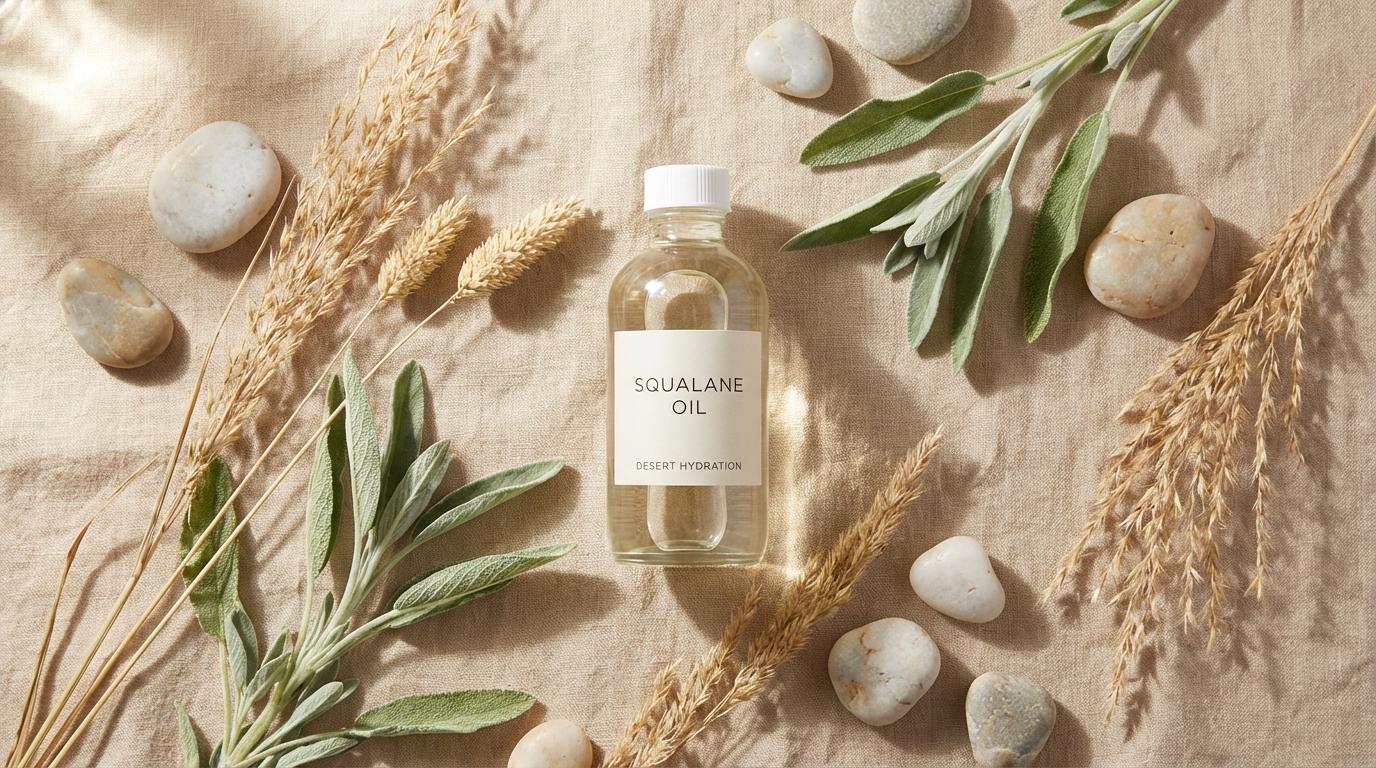
It feels like silk between your fingertips, weightless and somehow impossibly smooth, and when you press it gently into your skin, it disappears without a trace of greasiness. Squalane oil has become one of those quiet heroes in skincare, the kind of ingredient that doesn’t demand attention but delivers results that speak for themselves. If your skin has been feeling tight, rough, or perpetually thirsty no matter how many layers of moisturizer you apply, squalane might be exactly what you’ve been missing.
What Exactly Is Squalane?
Your body already knows squalane intimately. It produces a compound called squalene naturally as part of your sebum, that protective oil that keeps your skin soft, supple, and properly hydrated. Squalene is one of the primary components of this natural moisture barrier, working silently beneath the surface to maintain skin health. The catch? Your body’s production peaks during your teenage years and begins declining in your twenties and thirties. As those levels drop, your skin can start feeling drier, rougher, and less resilient than it once did.
Squalane (with an “a”) is simply the stabilized version of squalene. The original compound oxidizes quickly when exposed to air, making it impractical for skincare products. By hydrogenating squalene to remove its double bonds, chemists create squalane, which remains stable on the shelf and effective on your skin. According to Cleveland Clinic dermatologists, this lightweight oil can help improve skin hydration, reduce moisture loss, and keep your skin from drying out without feeling heavy or clogging your pores.
Plant-Derived vs. Shark-Derived: Why the Source Matters
Here’s something worth knowing before you add squalane to your cart: not all squalane is created equal, and the distinction matters both ethically and environmentally. Traditionally, squalene was harvested from shark liver oil, where it exists in high concentrations. This practice has contributed to the exploitation of deep-sea shark populations, with conservation reports indicating that millions of sharks were caught annually, in part to supply the cosmetics industry.
The good news is that plant-derived squalane now dominates the market, accounting for approximately 82 percent of all squalane used in cosmetics today. This version comes from sustainable sources like olives, sugarcane, rice bran, and wheat germ. Chemically, plant-derived and shark-derived squalane are identical in composition and performance. They share the same density, viscosity, and skin benefits. The difference lies entirely in their origins and the impact of their production.
When shopping for squalane products, look for those explicitly labeled as “100% plant-derived” or carrying certified vegan labels. Unfortunately, ingredient lists simply state “squalane” without specifying the source, so purchasing from brands with transparent sourcing practices is the best way to ensure you’re making an ethical choice. Many beloved brands like The Ordinary, Biossance, and Timeless Skincare use exclusively plant-derived squalane in their formulations.
How Squalane Differs from Other Face Oils
If you’ve tried other facial oils and found them too heavy, too shiny, or too pore-clogging, squalane offers a refreshingly different experience. Unlike many botanical oils that sit on the skin’s surface creating a noticeable film, squalane absorbs almost immediately. Its molecular structure closely mimics your skin’s natural oils, which means it integrates seamlessly rather than forming a separate layer.
Most facial oils are triglycerides, composed of fatty acids and glycerin. Squalane is a hydrocarbon, which gives it unique properties. It’s non-comedogenic, meaning it won’t clog pores, making it suitable even for those who typically avoid oils. It’s also remarkably stable and unlikely to oxidize or become rancid, unlike some plant oils that can develop off-putting smells over time.
For those with dry or dehydrated skin, squalane functions as an excellent emollient. It doesn’t add water to your skin the way humectants like hyaluronic acid do. Instead, it creates a breathable barrier that prevents existing moisture from escaping, a concept known as reducing transepidermal water loss. This makes squalane particularly valuable as the final step in a hydrating routine, sealing in all the beneficial ingredients you’ve applied before it.
The Benefits Your Dry Skin Will Notice
When your skin feels perpetually parched, tight after cleansing, or prone to flaky patches, squalane addresses these concerns at a fundamental level. By reinforcing your skin’s natural lipid barrier, it helps your skin hold onto hydration more effectively throughout the day. Research suggests that squalane may be particularly beneficial for those with dry skin, eczema-prone skin, and sensitive skin that reacts easily to other products.
Beyond basic hydration, squalane offers anti-inflammatory properties that can help calm irritation and reduce redness. If your dry skin tends to become inflamed or reactive, especially during seasonal changes or after using active ingredients, squalane provides a soothing layer of protection. It’s gentle enough to use around the delicate eye area, where dryness often shows up first as fine lines and crepiness.
There’s also something to be said for simplicity. Squalane is a single ingredient with no fragrances, no potential irritants, and no complicated formulations to parse through. For those of us who believe that less is often more in skincare, a bottle of pure squalane represents skincare at its most elemental and effective.
Best Ways to Incorporate Squalane Into Your Dry Skin Routine
Adding squalane to your routine is beautifully straightforward, which suits a minimalist approach perfectly. The general rule is to apply products from thinnest to thickest consistency, with oils typically coming near the end of your routine. After cleansing and applying any water-based serums or treatments, warm two to three drops of squalane between your palms and press gently into your face and neck.
If you’re using hyaluronic acid, which draws moisture into the skin, squalane becomes its perfect partner. Apply your hyaluronic acid serum first while your skin is still slightly damp, then follow with squalane to lock that hydration in place. According to skincare experts at CeraVe, this combination creates a one-two punch of hydration that keeps skin bouncy and quenched throughout the day.
You can also mix a few drops of squalane directly into your moisturizer if you prefer a single-step approach. This works especially well during colder months when skin tends to need extra support. Some people find that using squalane as a nighttime treatment, either alone or layered under a heavier cream, allows their skin to repair and replenish while they sleep.
For the face and body, squalane proves equally versatile. Dry hands, rough elbows, and chapped cuticles all benefit from its lightweight moisture. A few drops smoothed through damp hair can tame frizz and add shine without weighing hair down. This multipurpose quality means a single bottle of squalane can replace several products in your routine, aligning perfectly with a less-is-more philosophy.
What to Look for When Choosing Squalane
When selecting a squalane product, purity matters. Look for products labeled as 100% squalane without additional ingredients that might irritate sensitive or dry skin. The Ordinary’s 100% Plant-Derived Squalane and similar single-ingredient options give you the most control over what you’re putting on your skin. You know exactly what you’re getting, and you can layer it with your existing products without worrying about incompatible ingredients.
Squalane is also available in formulated products like serums, moisturizers, and cleansers where it appears alongside other beneficial ingredients. These can be excellent choices too, especially if you prefer streamlined routines with fewer steps. Just check that squalane appears reasonably high on the ingredient list, indicating it’s present in meaningful amounts rather than token quantities.
Price-wise, pure squalane is remarkably affordable for how long it lasts. A small bottle can stretch for months since you only need a few drops per application. This makes it accessible for anyone building a budget-conscious skincare routine without sacrificing quality or effectiveness.
A Gentle Ingredient for Patient Results
Squalane won’t transform your skin overnight, and it won’t create dramatic before-and-after photos. What it will do is quietly, consistently support your skin’s natural functions day after day. Over time, you may notice that your skin feels softer, looks more even in texture, and doesn’t cry out for moisture the way it used to. These subtle shifts add up to skin that simply feels comfortable and healthy.
For those of us who appreciate skincare that works gently and reliably without fanfare, squalane fits perfectly into that philosophy. It’s not trying to be everything to everyone. It’s just doing one thing exceptionally well: helping your skin stay hydrated and happy. Sometimes the simplest ingredients are the ones that make the biggest difference in how your skin feels every single day.