
Three to seven layers of toner might sound absolutely wild, but this K-beauty technique has completely changed how I think about hydration. When I first heard about the 7-skin method, I assumed it was some overcomplicated routine designed to sell more products. Spoiler alert: I was wrong. This Korean skincare hack actually saves money while delivering seriously plump, hydrated skin that expensive creams promise but rarely deliver.
What Even Is the 7-Skin Method?
The name comes from Korean, where “skin” basically means toner. So the 7-skin method is exactly what it sounds like: applying 3 to 7 layers of a lightweight, hydrating toner instead of one thick slap of moisturizer. The idea originated in Korean skincare communities where people realized that building hydration gradually creates a better result than dumping one heavy product on your face.
Think of it like watering a super dry plant. If you pour a whole gallon at once, most of the water runs off. But if you add small amounts over time, the soil actually absorbs it. Your skin works the same way. Multiple thin layers penetrate deeper and stay put, while one thick layer often just sits on top looking greasy.
How to Actually Do It (Without Wasting Product)
The technique itself is simple, which is honestly why I love it. Start with freshly cleansed, slightly damp skin. Pour a small amount of toner into your palms (skip the cotton pads, they waste so much product). Gently press and pat the toner into your face. Wait about 30 seconds for it to absorb, then repeat.
Now, you don’t have to do all 7 layers every single time. Start with 3 and see how your skin feels. On days when your face feels like sandpaper, go for 5 or 6. Save the full 7 for when your skin is truly parched or when you want that “glass skin” look. The flexibility is what makes this method sustainable for broke college students like me.
One thing that matters: technique. You’re patting, not rubbing. Rubbing creates friction and can irritate your skin. Patting gently presses the product in while increasing circulation. It’s weirdly relaxing once you get into the rhythm.
Picking the Right Toner (This Part Is Crucial)
Not every toner works for this method. You need something hydrating and gentle, specifically without alcohol. Those astringent toners your mom used in the 90s? Absolutely not. Layering an alcohol-based toner 7 times would completely destroy your skin barrier.
What you want to look for:
- Hyaluronic acid (pulls moisture into your skin)
- Centella asiatica or cica (calms redness and irritation)
- Green tea extract (antioxidants without heaviness)
- Glycerin (basic but effective hydrator)
What to avoid:
- Alcohol (drying and irritating when layered)
- AHAs or BHAs (these are exfoliants, not hydrators)
- Heavy fragrance (more layers means more potential irritation)
- Anything labeled “clarifying” or “pore-minimizing” (usually too harsh)
Some affordable options that work great: Klairs Supple Preparation Toner, Isntree Hyaluronic Acid Toner, and the Pyunkang Yul Essence Toner. If you’re on an extreme budget, even the Hada Labo Gokujyun Lotion works beautifully for this method.
Who Will Benefit Most
The 7-skin method isn’t for everyone, and I appreciate that K-beauty actually acknowledges this instead of claiming universal results. The technique works especially well for:
Dehydrated skin: If your skin feels tight and looks dull even though you’re not particularly dry or oily, this is your answer. Dehydration is about water, not oil, and layering hydrating toner addresses exactly that problem.
Combination skin: This was my situation. I’m oily in my T-zone but weirdly dry on my cheeks. Heavy moisturizers made my forehead an oil slick, but skipping moisturizer left my cheeks flaky. The 7-skin method lets you customize, applying more layers where you’re dry and fewer where you’re oily. Our guide on routines for skin that’s both oily and dry covers this whole frustrating situation.
Sensitive skin: Since you’re using one gentle product repeatedly instead of stacking multiple different products, there’s less risk of ingredient conflicts or irritation. Fewer ingredients overall means fewer chances for something to go wrong.
People in dry climates or during winter: When the air is sucking moisture from your skin, this method builds up a hydration reserve that helps you survive. Your skin barrier gets extra support during harsh conditions.
Who Should Maybe Skip This
If you have very oily skin that’s not actually dehydrated, the 7-skin method might be overkill. Your skin already produces enough oil, and adding all that extra hydration could lead to congestion. Try 2-3 layers maximum and see how it goes.
Also, if you’re dealing with active acne, especially cystic acne, layering lots of product might not be ideal. Focus on treating the breakouts first. According to the American Academy of Dermatology, keeping your routine simple is usually better when acne is flaring.
Fitting It Into Your Existing Routine
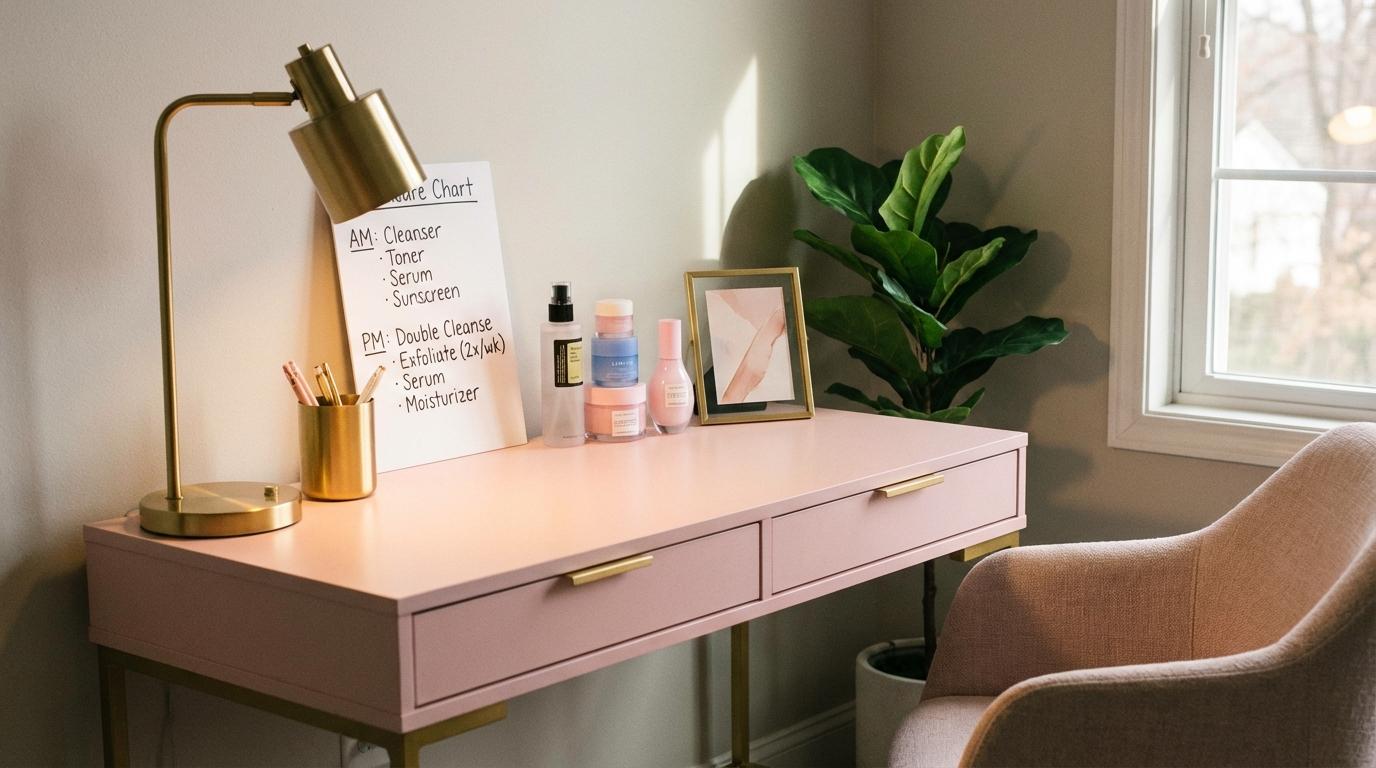
The 7-skin method slots in right after cleansing, replacing your normal single toner step. Here’s what my current routine looks like:
Morning:
- Gentle cleanser (or just water on lazy days)
- 3-4 layers of hydrating toner
- Light moisturizer
- Sunscreen
Evening:
- Oil cleanser (if wearing makeup)
- Gentle water-based cleanser
- 5-7 layers of hydrating toner
- Moisturizer
Notice I do more layers at night when I have time. Mornings are rushed, so 3-4 is practical. The method is flexible enough to adapt to real life, which is honestly rare for skincare trends.
One warning: don’t layer active ingredients during your 7-skin routine. If you use retinol, vitamin C, or chemical exfoliants, apply those separately. As Lab Muffin Beauty Science explains, retinoids especially need to be used carefully to avoid irritation. Stick to hydrating ingredients only for the layering part.
The Budget Breakdown
Real talk about cost, because I know that matters. A 200ml bottle of affordable hydrating toner costs roughly $15-20. Using maybe 2-3ml per application with the 7-skin method, that bottle lasts about 60-70 uses. Compare that to fancy serums where you’re paying $50+ for 30ml that lasts maybe a month.
The math works out better than it seems at first glance. You might use more toner, but you can skip or reduce other products. I genuinely need less serum and moisturizer now because my skin is properly hydrated from the toner layers. My overall skincare spending actually went down after I started this method.
Common Mistakes to Avoid
I made most of these mistakes when I started, so learn from me:
Using the wrong toner: I already covered this, but seriously, check for alcohol. One bad choice will set you back weeks.
Not waiting between layers: If you slap all 7 layers on in 30 seconds, you’re just creating a puddle that’ll pill when you add moisturizer. Each layer needs time to absorb. Patience matters.
Doing 7 layers every single time: This method is meant to be customized. Some days 3 is enough. Pay attention to what your skin actually needs instead of following a number blindly.
Forgetting to seal it in: All that hydration needs something to lock it in place. Even a light moisturizer helps prevent the toner from evaporating. Skipping this step wastes your effort.
Give It Two Weeks
I noticed a difference after about a week, but real results took closer to two weeks. My skin looked plumper, felt softer, and stopped doing that weird thing where it was simultaneously oily AND tight. If you’re curious about resetting your skin in general, a two week reset routine can help you evaluate what’s actually working.
The 7-skin method isn’t magic, but it’s practical. It costs less than buying a bunch of expensive serums, it works with products you can find pretty much anywhere, and it’s flexible enough to fit into even the most chaotic schedule. As someone who spent way too long chasing expensive “hydrating” products that never delivered, I wish I’d tried this sooner. Your wallet and your skin will probably feel the same way.