
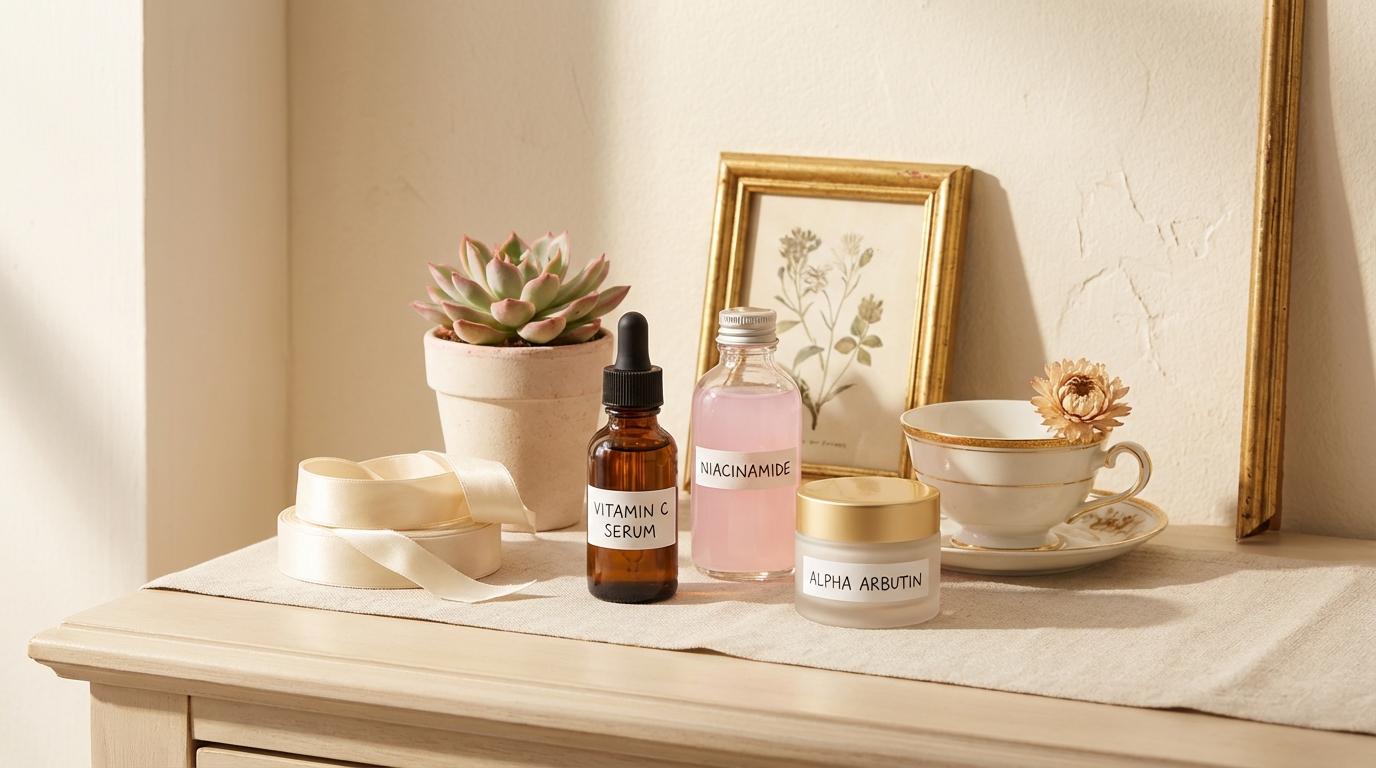
Everyone says you need expensive prescription treatments to fade hyperpigmentation. That’s not entirely accurate. While severe melasma or deep-set sun damage might benefit from professional intervention, many forms of dark spots respond remarkably well to over-the-counter ingredients that cost less than your monthly streaming subscriptions combined.
As someone who spent years studying how these molecules actually work at the cellular level, I find it frustrating when people assume effective skincare requires emptying your wallet. The biochemistry doesn’t care about price tags. Let me walk you through exactly which affordable ingredients target hyperpigmentation and why they work.
Understanding Why Dark Spots Form
Before we talk products, let’s establish what’s actually happening in your skin. Hyperpigmentation occurs when certain areas produce excess melanin. This can be triggered by UV exposure, inflammation from acne, hormonal changes, or physical trauma to the skin.
The key enzyme responsible for melanin production is called tyrosinase. Most effective brightening ingredients work by inhibiting this enzyme in some capacity, which gradually reduces melanin production and allows the excess pigment to fade as your skin cells naturally turn over.
This brings us to an important point: fading hyperpigmentation takes time. Your skin cells typically cycle every 28 to 40 days depending on your age. Even the most effective ingredients need multiple cycles to show significant results. Patience isn’t just a virtue here; it’s a biological necessity.
Affordable Vitamin C Options
Vitamin C remains one of the most researched ingredients for hyperpigmentation, and for good reason. It directly inhibits tyrosinase while also providing antioxidant protection against the UV damage that causes dark spots in the first place.
The tricky part with vitamin C is stability. L-ascorbic acid, the most potent form, degrades quickly when exposed to light, air, and heat. This is why some cheaper vitamin C serums turn orange and lose effectiveness within weeks of opening.
Budget-friendly options that actually work include:
Mad Hippie Vitamin C Serum uses sodium ascorbyl phosphate, a more stable vitamin C derivative. According to dermatologist recommendations compiled by NBC News, this formula is particularly effective for addressing hyperpigmentation. It combines vitamin C with vitamin E and ferulic acid, which research shows can double the serum’s photoprotective capabilities.
Cetaphil Vitamin C Serum pairs vitamin C with niacinamide and costs significantly less than most brightening serums. It’s fragrance-free and hypoallergenic, making it suitable for sensitive skin types who often struggle to find gentle brightening options.
Worth checking: face vs body care.
The Ordinary Ascorbyl Glucoside Solution 12% offers a water-soluble vitamin C derivative that’s notably gentle and stable. While not as immediately potent as L-ascorbic acid, its stability means it actually delivers consistent results over time rather than degrading in your bathroom cabinet.
Budget Niacinamide Products
Niacinamide might be the most underrated brightening ingredient available. This form of vitamin B3 works through a different mechanism than vitamin C: instead of inhibiting tyrosinase directly, it interferes with the transfer of melanin to skin cells. This makes it an excellent complement to other brightening ingredients.
Worth checking: effective levels.
Additional benefits include improved skin barrier function, reduced inflammation, and regulation of sebum production. For post-inflammatory hyperpigmentation from acne, niacinamide addresses both the dark spots and helps prevent new breakouts that could cause more marks.
The affordability here is remarkable:
The Ordinary Niacinamide 10% + Zinc 1% costs under ten dollars and contains a clinically effective concentration. The zinc addition helps with oil control and inflammation, making this particularly useful for acne-related hyperpigmentation.
Good Molecules Niacinamide Serum offers a similar formulation at a comparable price point. Both products deliver the 5-10% concentration shown in studies to be effective for brightening.
Naturium Niacinamide Serum 12% combines niacinamide with other brightening ingredients like licorice root extract and vitamin C at a drugstore price point.
Alpha Arbutin Options
Alpha arbutin deserves more attention than it typically receives. This naturally-derived ingredient comes from bearberry plants and converts to hydroquinone in the skin, but at much lower concentrations than pure hydroquinone products. The result is effective tyrosinase inhibition with minimal irritation risk.
For those who’ve found hydroquinone too harsh or who prefer to avoid it entirely, alpha arbutin offers a gentler path to similar results. Studies show it’s effective at concentrations as low as 1-2%, and it’s considered safe for long-term use without the rebound hyperpigmentation concerns associated with high-strength hydroquinone.
Affordable options include:
The Ordinary Alpha Arbutin 2% + HA combines the brightening ingredient with hyaluronic acid for hydration. At under ten dollars, it’s one of the most cost-effective targeted treatments for dark spots available.
Naturium Alpha Arbutin Serum 2% pairs alpha arbutin with niacinamide and lemon fruit extract for a multi-pronged approach to uneven skin tone. The combination of alpha arbutin and niacinamide is particularly effective because they target hyperpigmentation through different mechanisms.
If you’re curious about how these brightening ingredients interact with other actives in your routine, our guide to reading ingredient lists can help you understand what to look for.
Realistic Timelines for Results
This is where I need to set honest expectations. Marketing often promises visible results in two weeks, but the biochemistry tells a different story.
Weeks 1-4: You’re building the foundation. The ingredients are working at the cellular level, but visible changes are minimal. Your skin might look slightly more even-toned due to improved surface texture, but major fading hasn’t occurred yet.
Weeks 4-8: This is typically when consistent users start noticing subtle improvements. Newer, lighter hyperpigmentation may begin fading noticeably. Deeper or older spots will take longer.
Weeks 8-12: More significant fading becomes apparent for most types of hyperpigmentation. Post-inflammatory marks from acne often show considerable improvement by this point.
3-6 months: Stubborn spots, hormonal melasma, and deeper sun damage may need this extended timeline. Some spots, particularly those that have been present for years, may never fade completely without professional treatments.
The key variable is the depth of the pigmentation. Epidermal hyperpigmentation (in the upper layers of skin) responds faster than dermal hyperpigmentation (deeper in the skin). Unfortunately, you can’t always tell from looking which type you have.
How to Layer These Ingredients
The good news is that vitamin C, niacinamide, and alpha arbutin can all be used together. Despite an outdated myth about vitamin C and niacinamide being incompatible, current research shows they work well in combination.
A simple morning routine might look like:
- Cleanser
- Vitamin C serum (water-based formulations)
- Niacinamide serum
- Moisturizer
- Sunscreen (non-negotiable when treating hyperpigmentation)
An evening routine could include:
- Cleanser (double cleanse if wearing sunscreen)
- Alpha arbutin serum
- Niacinamide serum
- Moisturizer
You don’t need all three ingredients working at once. Even using just one consistently will produce results. Start with whichever is most accessible to you and add others as your budget allows.
The Sunscreen Factor
I cannot emphasize this enough: no brightening routine will work if you’re not wearing sunscreen daily. UV exposure triggers melanin production. Every time you step outside unprotected, you’re essentially undoing the work your serums are doing.
This isn’t about expensive sunscreens. A basic SPF 30 or higher, worn daily and reapplied as needed, protects your investment in brightening products. Without it, you’re essentially running in place.
What These Products Cannot Do
I want to be transparent about limitations. Budget brightening products can:
- Fade post-inflammatory hyperpigmentation from acne or minor injuries
- Reduce the appearance of mild sun spots
- Even out general skin tone
- Prevent new spots from forming (when combined with sunscreen)
They may struggle with:
- Deep dermal melasma (which often requires prescription treatments)
- Very old, established sun damage
- Hyperpigmentation caused by ongoing hormonal factors without addressing the underlying cause
If you’ve been consistent with over-the-counter treatments for six months without improvement, consulting a dermatologist makes sense. Some conditions genuinely do require professional intervention, and there’s no shame in that. For those dealing with acne that’s leaving behind marks, addressing the breakouts themselves is equally important. Our piece on azelaic acid for acne covers an ingredient that helps with both breakouts and the dark marks they leave.
A Practical Starting Point
If you’re building a budget hyperpigmentation routine from scratch, start simple:
Option 1 (under $15): The Ordinary Alpha Arbutin 2% + HA plus a drugstore SPF 30 sunscreen. Use the serum morning and night, sunscreen every morning.
Option 2 (under $25): Add The Ordinary Niacinamide 10% + Zinc 1% to the above routine. Layer it over the alpha arbutin.
Option 3 (under $40): Include a stable vitamin C like Mad Hippie or Cetaphil in your morning routine before the other serums.
These aren’t glamorous product recommendations. They won’t win points for aesthetic packaging or luxurious textures. But the molecules inside them are the same ones working in products that cost five times as much. Your melanocytes can’t tell the difference.
Give whatever you choose a fair trial. Three months of consistent use before evaluating results. Take photos in the same lighting at the start and at monthly intervals. The gradual nature of improvement often means we don’t notice the changes as they happen. Documentation helps you see the progress your daily habits are creating.