
Your winter routine is sabotaging your summer skin. That rich, buttery moisturizer that saved you from flaky cheeks in December? It’s currently suffocating your pores in July humidity. I learned this the hard way during my first summer as a beauty editor in New York, breaking out across my forehead while insisting my “beloved” night cream couldn’t possibly be the problem.
It absolutely was the problem.
Humid weather changes everything about how your skin behaves. Your sebaceous glands amp up production. Sweat mixes with products and sits on your skin. That protective barrier you built up all winter becomes a congestion nightmare. The fix isn’t complicated, but it does require you to actually switch things up.
Why Your Heavy Products Are Breaking You Out
Here’s what happens when you slap a thick cream on your face in 80% humidity: it can’t absorb properly. The moisture in the air means your skin is already saturated, so that occlusive layer just sits there. It traps sweat, dead skin cells, and sebum underneath. Hello, clogged pores.
The American Academy of Dermatology points out that your moisturizer needs change with the seasons. What works when indoor heating is zapping moisture from the air won’t work when you’re living in a steam room.
Common culprits that need to go on summer hiatus:
- Thick night creams with shea butter or heavy oils
- Facial oils (yes, even the “lightweight” ones)
- Occlusive sleeping masks
- Multi-step layering routines that pile on products
- Silicone-heavy primers that trap heat
I’m not saying these products are bad. They’re just wrong for the current conditions. Think of it like wearing a puffer jacket to the beach. Quality jacket, terrible timing.
The Case for Gel Moisturizers
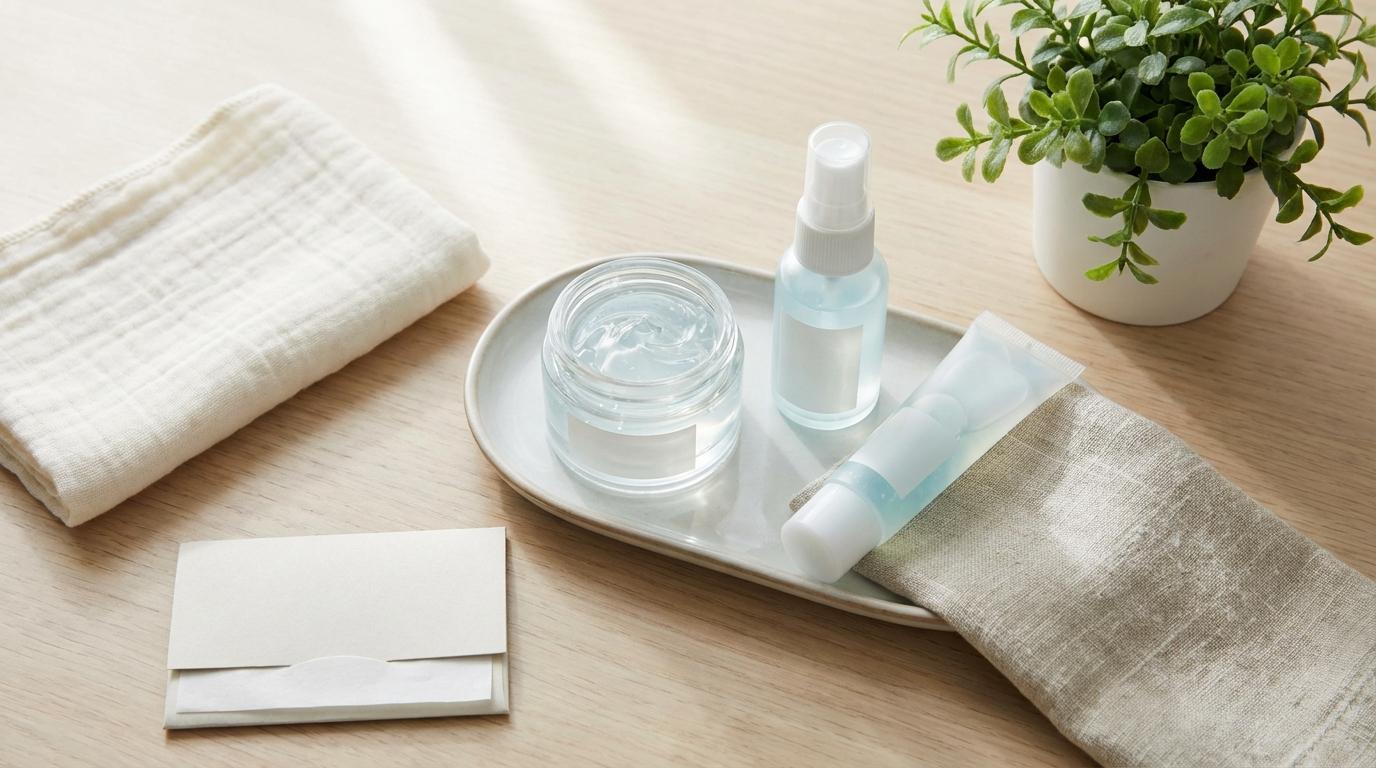
Gel moisturizers are built for humidity. Their water-based formulas absorb in seconds, deliver hydration without weight, and actually work with your skin instead of suffocating it.
The key ingredient in most gel moisturizers is hyaluronic acid, which pulls moisture from the air and binds it to your skin. In dry winter air, HA can sometimes pull moisture from deeper skin layers. But in humid conditions? It’s got plenty of atmospheric moisture to work with. This is its moment.
What to look for in a summer gel moisturizer:
- Hyaluronic acid or sodium hyaluronate in the first five ingredients
- Water as the first ingredient (not oil)
- No heavy occlusives like petrolatum or mineral oil
- Bonus points for niacinamide, which helps control oil
- Fragrance-free if you’re acne-prone
Affordable options that actually perform include the Neutrogena Hydro Boost (the fragrance-free version), La Roche-Posay Toleriane Double Repair, and the Versed Dew Point Gel Cream. None of these will break the bank or break you out.
Controlling Shine Without Destroying Your Moisture Barrier
This is where most people mess up. They see shine, they panic, they reach for the harshest mattifying products they can find. Alcohol-loaded toners. Aggressive clay masks daily. Skipping moisturizer entirely.
Then their skin freaks out and produces even more oil to compensate for being stripped.
Here’s the thing about shine in humidity: some of it is just sweat and atmospheric moisture sitting on your face. It’s not all excess sebum. Attacking it with drying products creates a cycle where your skin overproduces oil to protect itself, making the problem worse.
Smart ways to manage shine:
- Blotting papers over powder. They remove oil without adding more product to your face.
- Niacinamide in your routine. This B vitamin regulates sebum production over time without drying effects.
- Salicylic acid cleanser, not toner. Using BHA in a wash-off product gives you pore-clearing benefits without over-drying. Leave it on for 60 seconds before rinsing.
- Setting spray instead of heavy powder. A light mist sets makeup without the cakey buildup that makes you look worse by afternoon.
- Carry a facial mist. Counterintuitive, but a hydrating mist can actually reduce oil production by keeping skin balanced.
If you’re dealing with genuinely oily skin, check out our guide on managing oily skin for more targeted advice.
Your Simplified Humid Weather Routine
Less is more when the air is thick. Here’s what an adjusted routine actually looks like:
Morning:
- Gentle cleanser (gel or foam texture)
- Lightweight serum if you use one (vitamin C, niacinamide)
- Gel moisturizer
- Sunscreen (look for “dry touch” or “matte finish” formulas)
Evening:
- Oil cleanser or micellar water to remove sunscreen
- Gel or foam cleanser
- Treatment serum (retinoid, exfoliating acid, whatever you’re using)
- Gel moisturizer or skip if your serum is hydrating enough
That’s it. No seven-step routines. No essence-serum-ampoule layering. Your skin doesn’t need a protective fortress when the humidity is doing half the hydration work for you.
The biggest adjustment is mental. We’ve been told more products equal better skin, and it feels wrong to use less. But in humid weather, using less means your products actually absorb, your skin can breathe, and you’re not creating the congested environment that leads to breakouts.
Pay attention to how your skin feels by midday. If it’s greasy and congested, you’re probably still using too many products or the wrong textures. If it feels comfortable and balanced, you’ve found your sweet spot. It might take a few weeks of experimentation, but the result is worth it.
Stop fighting the weather. Adjust to it.