
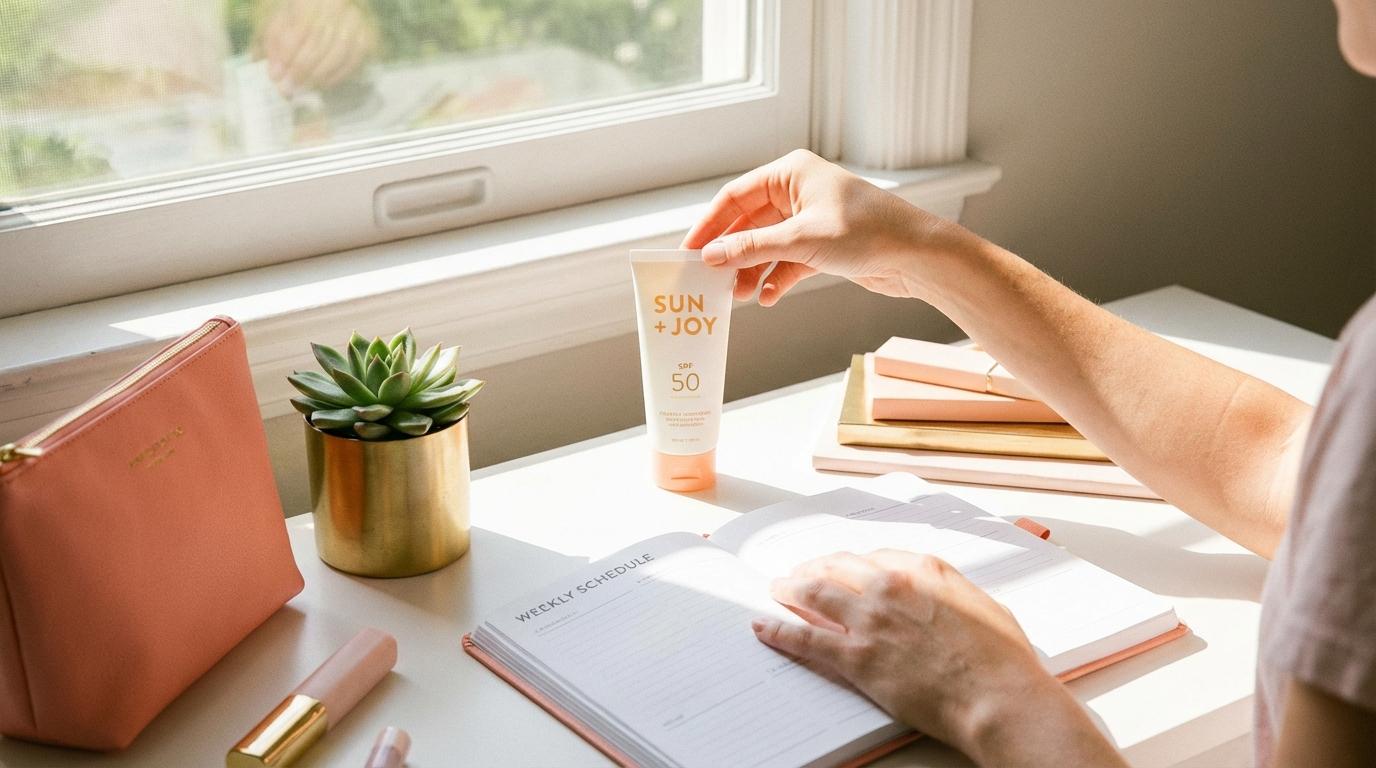
According to a 2019 study published in the Journal of the American Academy of Dermatology, only about 30% of Americans apply sunscreen daily, despite UV exposure being responsible for up to 80% of visible skin aging. I spent four years in a biochemistry lab, and the data on photoaging genuinely haunts me. But here’s the thing: the best sunscreen formula in the world means nothing if it sits untouched in your bathroom cabinet. The real question isn’t which sunscreen has the best UV filters. It’s which sunscreen you’ll actually put on your face every single morning without dreading it.
Why Texture Trumps SPF Numbers
Let me be clear about something: SPF 30 blocks approximately 97% of UVB rays, while SPF 50 blocks about 98%. That 1% difference? Statistically negligible for daily use. What actually matters for real-world protection is whether you apply enough product and reapply when needed. And you’re not going to do either of those things if your sunscreen feels like you’re smearing mayonnaise on your face.
The cosmetic elegance of a sunscreen determines compliance. A research review in the International Journal of Dermatology found that aesthetic properties directly influence how much sunscreen people apply and how often they reapply. Translation: a sunscreen that feels nice leads to better protection than a technically superior formula that you use sparingly or skip entirely.
Your skin type, your climate, and your makeup preferences all factor into what texture will work for you. There’s no universal “best” sunscreen. There’s only the best sunscreen for your specific face and your specific life.
Understanding Your Texture Preferences
Sunscreen formulas fall into several categories, and understanding what each brings to the table helps you narrow down candidates quickly.
Chemical (Organic) Filters
These absorb UV radiation and convert it to heat. Common ones include avobenzone, oxybenzone, octinoxate, and newer filters like mexoryl and tinosorb. They typically feel lighter and more transparent on the skin. The trade-off? Some people experience sensitivity, particularly with avobenzone, and certain filters degrade faster than others when exposed to sunlight.
Mineral (Inorganic) Filters
Zinc oxide and titanium dioxide sit on top of your skin and physically scatter UV rays. Older formulations left a noticeable white cast, but modern micronized and coated versions have largely solved this problem, especially for lighter skin tones. For deeper skin tones, the white cast issue hasn’t been fully resolved, though some brands are making significant progress with tinted formulas.
Hybrid Formulas
These combine chemical and mineral filters to get the benefits of both: broad spectrum protection with a more elegant finish. Many Japanese and Korean sunscreens excel at this approach.
Format Matters Too
Beyond filter type, the actual vehicle matters enormously:
- Fluid/watery textures absorb quickly, work well under makeup, but may feel drying for some
- Cream textures provide more moisture but can feel heavy or interfere with makeup
- Gel textures suit oily skin beautifully but might not provide enough hydration for dry types
- Milk textures balance moisture and lightweight feel, often a good middle ground
- Stick formats excel for reapplication and targeted areas but can be tricky for full-face initial application
Finding Your Match: A Systematic Approach
Instead of randomly trying products based on Instagram recommendations, approach this like an experiment. Start by identifying your primary concerns.
For Oily Skin
Look for oil-free, mattifying formulas. Gel or fluid textures typically work best. Niacinamide in the formula can help control sebum production throughout the day. Many Korean sunscreens contain silica or other mattifying agents that control shine without feeling chalky.
If you’re dealing with oiliness alongside dry patches, your barrier might be compromised from over-treatment. A sunscreen with humectants like hyaluronic acid can help while you work on rebalancing.
For Dry Skin
Cream-based sunscreens with added emollients and occlusives will serve you better. Look for ingredients like squalane, ceramides, or glycerin in the formula. Some sunscreens even double as moisturizers for dry skin types, simplifying your routine.
For Sensitive Skin
Mineral sunscreens tend to cause fewer reactions since they don’t absorb into the skin. Avoid formulas with fragrance, essential oils, or alcohol denat near the top of the ingredients list. If you have eczema-prone skin, stick to minimal ingredient formulas approved for sensitive skin.
For Acne-Prone Skin
Non-comedogenic labeling helps but isn’t foolproof. Light, fast-absorbing textures minimize pore-clogging potential. Some people break out from chemical filters while others react to the coating on mineral filters. Keep notes on what formulas cause problems to identify patterns.
Under-Makeup Application Strategies
One of the biggest barriers to daily sunscreen use is makeup interference. Either the sunscreen pills when you apply foundation, leaves your face too shiny, or just generally ruins your makeup’s performance.
Wait Time Is Non-Negotiable
Chemical sunscreens need about 15-20 minutes to bind to your skin and form a protective film. Even mineral sunscreens benefit from a few minutes to set before you layer anything on top. Rushing this step is why your makeup pills.
Product Selection for Makeup Wearers
Japanese sunscreens have essentially perfected the under-makeup formula. Products like Biore UV Aqua Rich or Anessa Perfect UV Mild Milk were designed with makeup compatibility in mind. They dry down completely matte or with a subtle glow, depending on the formula, and don’t disrupt foundation application.
If you prefer Western brands, look for sunscreens specifically marketed as makeup primers. La Roche-Posay, Supergoop, and EltaMD all have formulas designed for this purpose.
Application Technique
Apply sunscreen in two thin layers rather than one thick layer. This ensures even coverage without overwhelming your skin or creating a slippery surface. Pat gently rather than rubbing vigorously. Let each layer sink in before applying the next, and definitely before reaching for your primer or foundation.
A study published in Acta Dermato-Venereologica showed that applying sunscreen in two layers improved UV protection compared to a single application of the same total amount. Something about the layering process creates more uniform coverage.
The Reapplication Problem
This is where most people fall apart. You apply sunscreen beautifully in the morning, and then… life happens. Lunch, meetings, touching your face, sweating on your commute. By 2 PM, your morning application has significantly degraded.
The general recommendation is reapplication every two hours during sun exposure. For most people with desk jobs who commute and maybe grab lunch outside, that translates to at least one reapplication during the day, ideally before your afternoon coffee run or commute home.
Reapplication Over Makeup
This is genuinely tricky. Your options:
Powder sunscreens: These contain SPF and brush on over makeup without disturbing it. The protection level is debated in dermatology circles since it’s hard to apply enough powder to get the labeled SPF, but they’re better than nothing for touch-ups. Colorescience and Supergoop make popular versions.
Setting sprays with SPF: Same caveat about achieving adequate coverage, but they’re convenient and won’t disturb makeup. Mist from about 6 inches away and let it settle.
The honest approach: For maximum protection during a midday reapplication, you’d need to remove your makeup, reapply sunscreen properly, and redo your face. Most people won’t do this, and that’s understandable. In this case, combining a powder or spray reapplication with behavioral protection (seeking shade, wearing a hat) provides reasonable coverage for typical urban days.
Reapplication Without Makeup
If you’re bare-faced or wearing minimal makeup, cushion compacts with SPF offer an elegant reapplication method. Many Korean brands make these specifically for touch-ups. They provide light coverage, some sun protection, and mattify oily areas simultaneously.
Otherwise, stick sunscreens work beautifully for on-the-go application. Keep one in your bag. They’re mess-free and easy to apply without a mirror.
Building a Sunscreen Collection
One sunscreen won’t serve all purposes. Think about having a few options:
Your everyday workhorse: This is the elegant, under-makeup formula you’ll reach for on regular workdays. It should feel like nothing on your skin.
Your weekend/outdoor formula: For beach days, hikes, or extended outdoor time, you need something more robust. Water resistance matters here. The texture can be less elegant because you’re not putting makeup over it.
Your touch-up product: A stick or powder that lives in your bag for reapplication.
If you’re working on preventing scarring from acne or dealing with hyperpigmentation, your sunscreen commitment needs to be especially consistent. UV exposure significantly worsens post-inflammatory hyperpigmentation and can undo the work of any brightening products you’re using.
Testing New Sunscreens
Don’t buy full sizes blindly. Many brands offer travel sizes or samples. Online retailers like Stylevana and YesStyle sell small sizes of Asian sunscreens. Sephora and Ulta often have mini versions of popular Western formulas.
When testing, use the sunscreen for at least a week before judging it. Your skin needs time to adjust to a new formula. Some sunscreens that initially feel greasy settle into the skin better after a few days of use. Others reveal pilling or breakout issues only after several applications.
Pay attention to how the sunscreen performs in different conditions. A formula that feels perfect in your air-conditioned office might become an oil slick on your walk home in summer humidity. Note these differences and adjust your collection accordingly.
Addressing Common Complaints
“Sunscreen makes me break out”
This happens frequently, but the culprit isn’t always the UV filters. Sometimes it’s the emollients in the formula, sometimes fragrance, sometimes the film-forming agents. Switching between chemical and mineral, or trying a formula with a different base, often solves this. If multiple sunscreens cause breakouts, see a dermatologist to identify the specific ingredient causing issues.
“Sunscreen stings my eyes”
Chemical filters, particularly avobenzone, are notorious for this. Mineral sunscreens generally cause less eye irritation. You can also apply mineral sunscreen around your eye area specifically while using a chemical formula elsewhere on your face.
“Every sunscreen leaves a white cast on my skin”
For deeper skin tones, this remains a frustrating issue. Tinted sunscreens blend into various skin tones more naturally. Black Girl Sunscreen, Unsun Cosmetics, and Fenty Skin were developed specifically to address this problem. Many Korean sunscreens also work well for medium skin tones, though options become more limited for deeper tones.
“Sunscreen makes me look greasy”
You might be applying too much at once. Try the two-layer method with thinner applications. Also look for formulas with mattifying ingredients. Setting with a light dusting of translucent powder can help without reducing SPF protection.
Making It Automatic
The goal is making sunscreen application as automatic as brushing your teeth. Keep your daily sunscreen next to your toothbrush or wherever you’ll see it every morning. Link the habit to something you already do consistently.
If you’re the type who forgets, set a phone alarm. Some people do well with sunscreen stored right next to their car keys or on top of the bag they grab every morning. Environmental cues matter for habit formation.
Consider your sunscreen non-negotiable, like putting on pants before leaving the house. It’s not an optional extra step in your skincare routine. It’s the one step that provides the most significant long-term benefits for your skin’s health and appearance.
What I Actually Use
Since you’re probably curious: I rotate between three sunscreens depending on the day. A Japanese milk formula for under-makeup workdays, a tinted mineral formula for weekend errands when I want some coverage but not full makeup, and a proper water-resistant cream for outdoor activities. This system took some experimenting to develop, but now choosing sunscreen each morning is quick and thoughtless.
The experimentation phase is worth it. Finding your perfect sunscreen match transforms protection from a chore into a completely neutral part of your morning. And that neutrality is the goal. You shouldn’t love applying sunscreen. You should feel nothing about it because it’s just… what you do. Like putting on shoes.
Your future skin, free of preventable sun damage, will be the evidence that the effort paid off. The research on photoprotection and skin cancer prevention is overwhelming and unambiguous. Daily sunscreen use makes a measurable difference. Finding the formula that makes daily use sustainable is your job. The science has already done its part.