
Appears familiar, doesn’t it? Those tiny gray dots speckling your nose, making you reach for a pore strip in frustration. But before you wage war on what you think are blackheads, let’s talk about something that might change your entire approach to pore care.
What Are Sebaceous Filaments, Really?
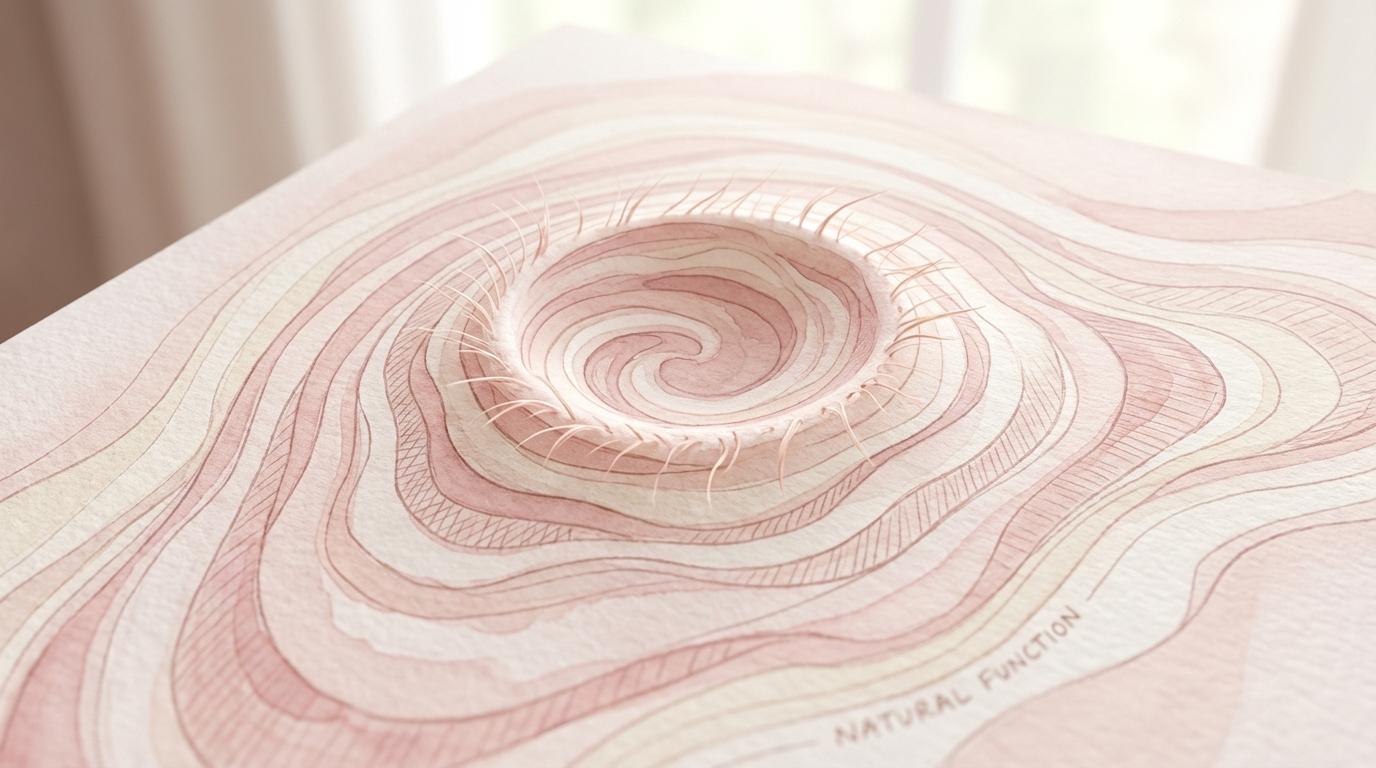
Sebaceous filaments are thin, hair-like structures that line the walls of your pores. They help channel sebum (your skin’s natural oil) from the sebaceous glands to the surface of your skin. Every single person has them. Every single pore has them. They’re not dirt, they’re not debris, and they’re definitely not a sign that your skin is “dirty.”
Think of sebaceous filaments like tiny straws helping oil travel where it needs to go. Without them, your skin wouldn’t be able to moisturize itself properly. They’re part of your pore’s natural architecture, working quietly in the background to keep your skin functioning as it should.
Sebaceous Filaments vs. Blackheads: Knowing the Difference
This confusion is incredibly common, and honestly, it makes complete sense. Both appear as small dark spots on the skin, particularly around the nose, chin, and forehead. But they’re fundamentally different things.
Blackheads (open comedones) are actual clogs. They form when dead skin cells and excess oil get trapped in a pore, creating a plug. The dark color comes from oxidation when this mixture is exposed to air. Blackheads are raised, have a darker appearance, and feel like a bump when you run your finger over them.
Sebaceous filaments are flat or only slightly raised. They appear as tiny pin-prick sized dots, usually gray or tan rather than truly black. When you look closely, they often form an even, uniform pattern across your nose or chin. They’re simply the visible expression of oil flowing through your pores.
More on setting powder myth.
A simple way to tell them apart: if you gently squeeze (though I wouldn’t recommend making this a habit) and a tiny white or yellowish thread comes out that’s soft and spaghetti-like, that’s a sebaceous filament. A blackhead will produce a harder, more solid plug.
Why They Always Come Back
Here’s where I need you to take a deep breath and really absorb this: sebaceous filaments will always come back because they’re supposed to be there. Extracting them doesn’t “clear” your pores. It just temporarily empties them of the oil that was naturally flowing through.
Within 24-48 hours of removing a sebaceous filament, your pore will refill. That’s not your skin being stubborn or your skincare failing. That’s your skin doing exactly what it’s designed to do. Your sebaceous glands continuously produce oil, and that oil needs somewhere to go.
Related: acid mantle.
The cycle of extraction and refilling can actually be counterproductive. Constant squeezing or aggressive pore strips can:
- Damage the delicate skin around your pores
- Stretch pores over time, making them appear larger
- Trigger inflammation that leads to actual breakouts
- Compromise your skin barrier
Accepting What You Cannot (and Shouldn’t) Change
I know this might not be what you wanted to hear. There’s something deeply satisfying about those extraction videos and the feeling of “cleaning out” your pores. But true skin health comes from working with your skin’s natural processes, not against them.
Sebaceous filament visibility varies based on genetics, skin type, and pore size. If you have oily skin or larger pores, your sebaceous filaments will be more noticeable. That’s not a flaw. That’s just your skin.
The goal shouldn’t be elimination. It should be minimizing their appearance while maintaining skin health. And yes, there are gentle ways to do this.
Managing Sebaceous Filaments Gently
While you can’t make sebaceous filaments disappear permanently, you can help minimize their appearance through consistent, gentle care.
Oil cleansing can be remarkably effective. Using an oil-based cleanser helps dissolve excess sebum within pores without stripping your skin. The principle of “like dissolves like” means oil cleansers can help loosen the contents of sebaceous filaments more gently than harsh products.
Salicylic acid (BHA) is oil-soluble, which means it can actually penetrate into pores and help keep them clear. Used consistently at 1-2%, it can help regulate oil flow and minimize the appearance of sebaceous filaments over time. You can learn more about how salicylic acid compares to other acne-fighting ingredients to see if it’s right for your skin.
Niacinamide helps regulate sebum production. At concentrations of 2-5%, it can help reduce the amount of oil your skin produces, which in turn can make sebaceous filaments less prominent.
Clay masks used once or twice a week can help absorb excess oil and gently draw out impurities. Look for kaolin or bentonite clay, and don’t leave them on until completely dry, as that can be too drying for most skin types.
What Not to Do
Please, step away from the magnifying mirror. Seriously. Those mirrors are designed to make everything look worse than it actually is. Normal viewing distance is how other people see your skin, and at that distance, sebaceous filaments are usually invisible.
Avoid:
- Daily pore strips: They’re too aggressive for regular use and can damage skin
- Constant extraction: Your fingers aren’t sterile, and the pressure can cause damage
- Over-exfoliating: Using multiple acids or scrubbing aggressively won’t help and will likely hurt
- Products that promise to “shrink” pores permanently: Pore size is largely genetic and can’t be permanently changed
Building a Balanced Routine
The best approach to managing sebaceous filaments is a consistent, gentle routine that supports overall skin health. If you’re working on building a routine for oily skin, incorporating sebaceous filament management is straightforward.
Morning:
- Gentle water rinse or mild cleanser
- Niacinamide serum (optional)
- Lightweight moisturizer
- Sunscreen
Evening:
- Oil cleanser (especially if wearing sunscreen/makeup)
- Gentle foaming cleanser
- Salicylic acid product (2-3 times per week, not daily)
- Moisturizer
This isn’t about perfection or visible pore elimination. It’s about maintaining healthy, balanced skin that functions well.
A Note on Pore Appearance
Many people notice their sebaceous filaments more during certain times: under harsh lighting, in the afternoon when oil has accumulated, or during hormonal shifts. This is completely normal.
Dermatologist Dr. Shereene Idriss has spoken extensively on social media about accepting sebaceous filaments as a normal part of skin anatomy rather than a problem to solve. Her message resonates: not everything visible on your skin is a flaw that needs fixing.
When to See a Professional
If you genuinely have persistent blackheads (not sebaceous filaments) that aren’t responding to over-the-counter products, a dermatologist can help. They might recommend:
- Prescription-strength retinoids
- Professional extractions performed safely
- Chemical peels
- Assessment for underlying skin conditions
But if what you’re dealing with are sebaceous filaments, the best professional advice will likely be the same: accept them, manage them gently, and stop trying to eliminate something that’s supposed to be there.
Embracing Skin Reality
Your skin is not supposed to look like a filtered photo. Texture, pores, sebaceous filaments, and the occasional imperfection are all part of having living, breathing skin. The pursuit of poreless perfection isn’t just unrealistic. It’s often harmful to both skin health and mental wellbeing.
So the next time you find yourself examining your nose under harsh lighting, remember: those tiny dots are your skin working exactly as designed. They’re not something to fix. They’re evidence of function. And that, honestly, is pretty amazing when you think about it.