
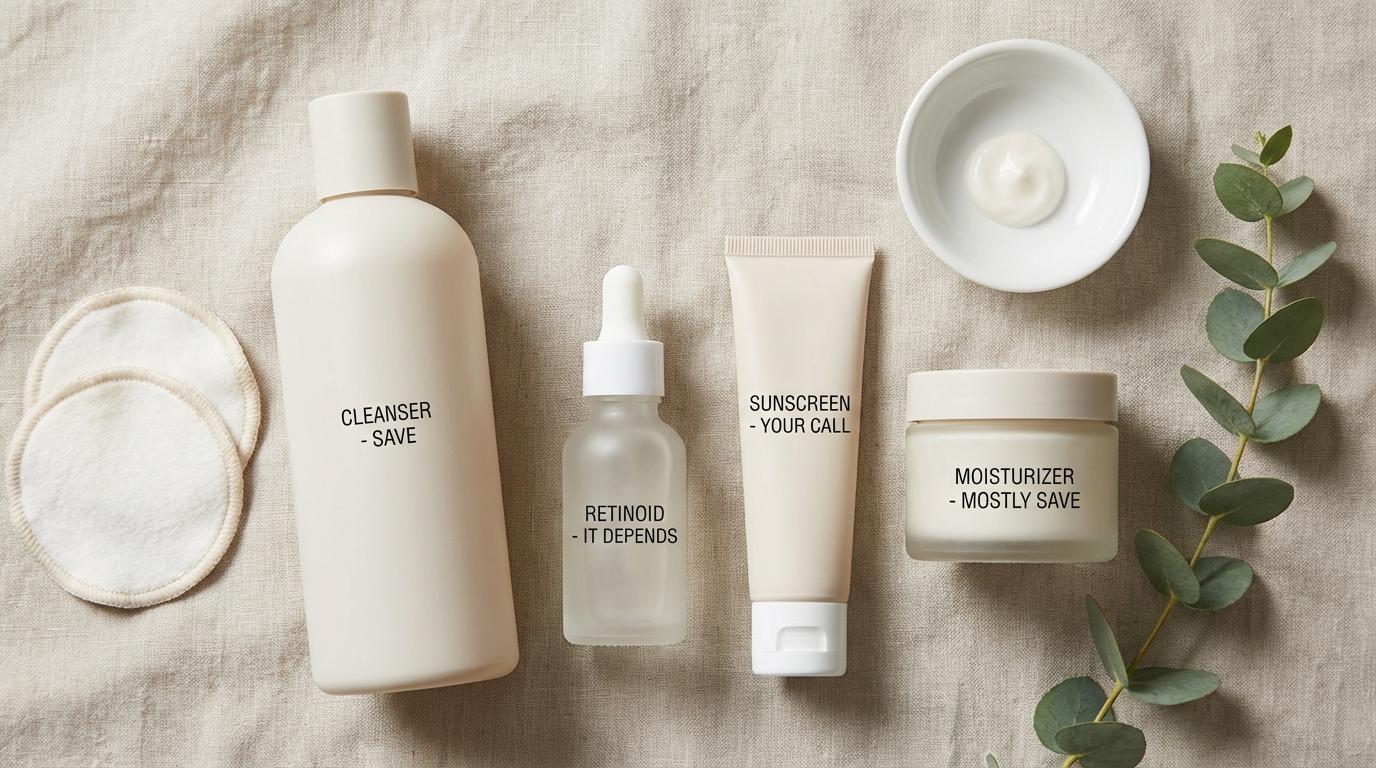
I spent years thinking expensive skincare was automatically better skincare. Turns out, I was wrong about almost everything. After burning through countless paychecks at Sephora and then eventually trying drugstore alternatives, I’ve figured out where your money actually makes a difference and where you’re just paying for fancy packaging.
Here’s the honest breakdown based on what actually matters for your skin, not what marketing wants you to believe.
Cleansers: Save Your Money
This is the easiest category. Your cleanser is on your face for maybe 60 seconds before you rinse it off. Those fancy active ingredients in your $40 cleanser? They don’t have time to do anything meaningful.
A cleanser has one job: remove dirt, makeup, and excess oil without stripping your skin. That’s it. The CeraVe Hydrating Cleanser does this just as well as cleansers that cost five times more.
What to look for in a budget cleanser:
- Gentle surfactants (avoid sodium lauryl sulfate if you have dry or sensitive skin)
- No fragrance if your skin is reactive
- pH balanced formula
What NOT to pay extra for:
- Vitamin C in cleansers (gets rinsed away)
- Hyaluronic acid in cleansers (same problem)
- Fancy botanical extracts that sound nice but wash down the drain
Budget picks that work: CeraVe, Vanicream, La Roche-Posay Toleriane, and even the Neutrogena Hydro Boost Cleanser all get the job done without emptying your wallet.
Sunscreen: Your Call (But Here’s What Actually Matters)
Sunscreen is where things get complicated. The best sunscreen is the one you’ll actually wear every day. If a $45 sunscreen feels so good that you use it religiously, that’s worth every penny. If a $12 sunscreen sits on your shelf because you hate the texture, it’s worthless at any price.
Here’s what you’re paying for with pricier sunscreens:
- Better cosmetic elegance (no white cast, sits well under makeup)
- More pleasant texture and finish
- Sometimes newer filter technologies
Here’s what you’re NOT getting more of:
- Better UV protection (SPF 30 is SPF 30, whether it costs $8 or $80)
- More effective ingredients for anti-aging
If you have darker skin and white cast is a real issue, splurging on a tinted or European/Asian formulation might be worth it. The La Roche-Posay Anthelios line tends to have better filters than many American drugstore options.
But if you’re fair-skinned and don’t mind reapplying, the Neutrogena Ultra Sheer or even the Target-brand sunscreens will protect you just fine. The protection level doesn’t increase with price.
Retinoids: It Genuinely Depends
Here’s where the answer isn’t straightforward. Retinoids are the gold standard for anti-aging and acne prevention, but there’s a huge range of options at vastly different price points.
When to save:
Adapalene (Differin) is available over the counter for around $15 and it works. It’s an actual retinoid with decades of research behind it. For acne and general skin improvement, this is an excellent starting point. The Differin gel is what dermatologists recommended for years before it became available without a prescription.
Retinol products in the $15-30 range from brands like The Ordinary, Versed, and Naturium contain effective concentrations and proper packaging to keep the retinol stable.
When to consider spending more:
Prescription tretinoin (Retin-A) requires a doctor’s visit, but the medication itself is often covered by insurance or available cheaply through services like GoodRx. This is the most studied, most effective retinoid available.
Higher-end OTC options like encapsulated retinol or retinal (retinaldehyde) can offer better tolerance and faster results than basic retinol. These formulations from brands like Avene or SkinCeuticals have technology that genuinely makes a difference in how the ingredient performs.
The bottom line on retinoids:
- Starting out? Save with Differin or The Ordinary’s retinol
- Sensitive skin but want results? Mid-range encapsulated options might be worth it
- Want the strongest option? Talk to a dermatologist about tretinoin (often surprisingly affordable)
Moisturizers: Mostly Save (With One Exception)
Most moisturizers are doing the same basic thing: creating a barrier to prevent water loss and adding hydrating ingredients. A $60 moisturizer rarely does this better than a $15 one.
The core ingredients that actually moisturize (glycerin, hyaluronic acid, ceramides, petrolatum, dimethicone) aren’t expensive. You’re paying extra for texture, packaging, fragrance, and branding.
Budget moisturizers that dermatologists actually recommend:
- CeraVe Moisturizing Cream (the tub)
- Vanicream Moisturizing Cream
- Neutrogena Hydro Boost (gel cream version for oily skin)
- La Roche-Posay Toleriane Double Repair
These contain the same effective ingredients as their expensive counterparts. The American Academy of Dermatology recommends many of these budget options specifically because they work.
The exception: specialized treatments
If your moisturizer contains active ingredients like niacinamide, peptides, or growth factors at meaningful concentrations, and you want those actives to be stable and effective, paying more might be justified. A moisturizer with 5% niacinamide from a reputable brand is different from basic hydration.
But be honest with yourself: are you buying an expensive moisturizer because of the actives, or because of the aesthetic? If a regular moisturizer plus a separate serum with your target active would cost less, go that route instead.
Where Splurging Actually Makes Sense
If you’re going to spend more anywhere, consider these categories:
Vitamin C serums: L-ascorbic acid is notoriously unstable. Cheap vitamin C serums often oxidize before you finish the bottle. Higher-end options use better packaging and formulation to keep the vitamin C active. That said, brands like Timeless and La Roche-Posay offer stable options at mid-range prices.
Professional treatments: Instead of spending $200 on products, one professional facial or chemical peel might give you better results. Sometimes the splurge isn’t on products at all.
Tools and accessories: A good silicone face scrubber, clean towels dedicated to your face, and proper storage for your products can extend the life and effectiveness of your cheaper products.
The Real Test: How to Know If You’re Wasting Money
Before your next skincare purchase, ask yourself:
- Is there a cheaper product with the same key ingredients at similar concentrations?
- Am I paying for the experience (pretty packaging, nice smell) or the results?
- Have I actually finished a cheaper version of this product and found it lacking?
- Could I get this ingredient in a different product I already own?
There’s nothing wrong with enjoying nice skincare. If you can afford it and it makes you happy, go for it. But don’t convince yourself that expensive automatically means effective. Affordable skincare products work just as well for achieving clear, healthy skin.
My Current Routine (Mostly Drugstore)
For what it’s worth, here’s what I actually use:
- Cleanser: CeraVe Hydrating ($15)
- Vitamin C: Timeless 20% ($25)
- Moisturizer: CeraVe PM ($13)
- Sunscreen: La Roche-Posay Anthelios ($35, my one splurge)
- Retinoid: Prescription tretinoin ($12 with GoodRx)
Total: around $100 for products that last 2-3 months each. My skin looks better now than when I was spending three times that amount on fancy products.
Your skincare budget should match your priorities and your wallet. Spend where it matters to you, save where it doesn’t, and ignore anyone who tells you that you need expensive products to have good skin. You don’t.
The most important factors for your skin are consistency, sun protection, and not overdoing it with actives. None of those require a high price tag.