
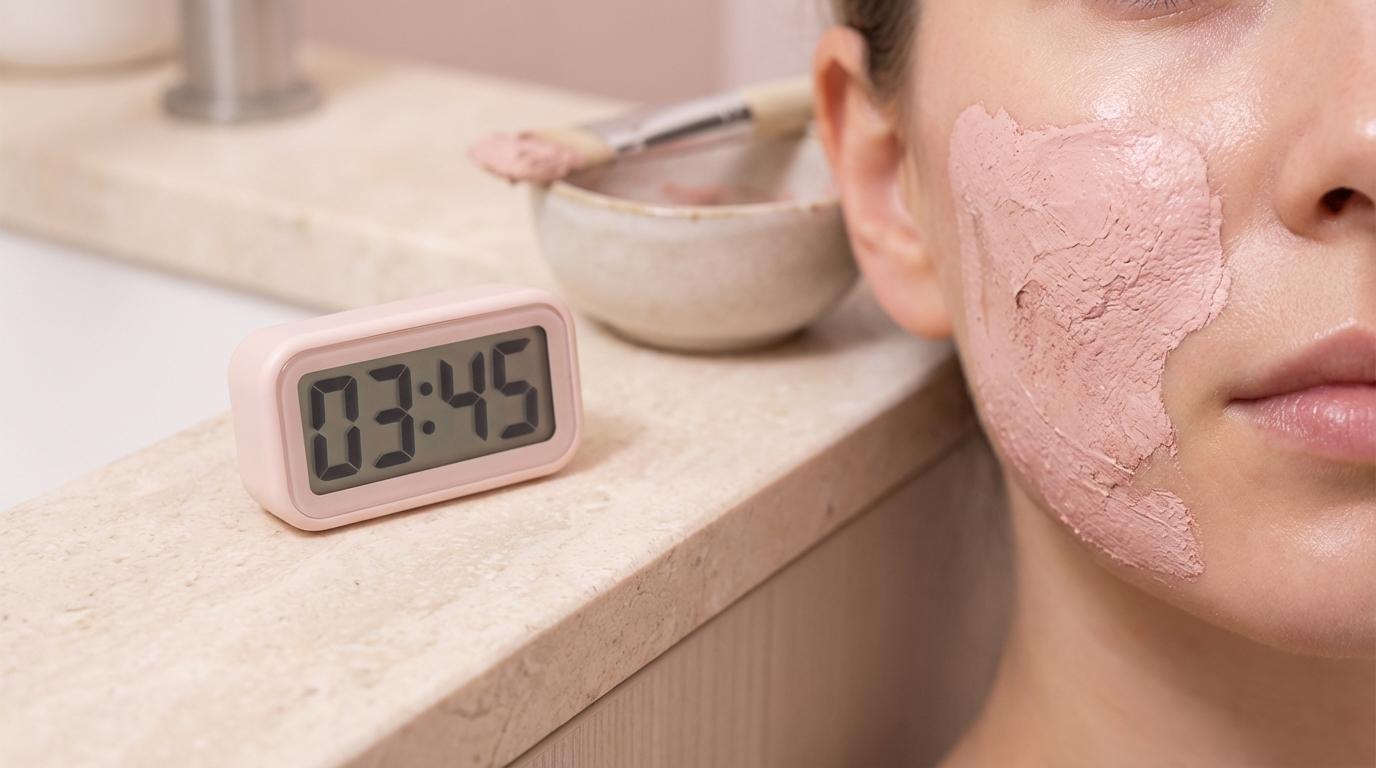
Benzoyl peroxide isn’t something you need to leave on your face all day to get results. That’s the part most people miss. They slather on a 10% cream, let it sit for hours, wonder why their skin is peeling off, and then declare that BP “doesn’t work for them.” The problem was never the ingredient. It was how long it sat there.
This concept has a name: short contact therapy. And if you’ve been avoiding benzoyl peroxide because it torches your skin, this might change how you use it entirely. Dermatologists have been recommending this approach for years, and it works especially well for people who are exploring acne treatments but want something less intense to start with.
What Short Contact Therapy Actually Means
Short contact therapy is exactly what it sounds like. You apply the product, leave it on for a limited window, then wash it off. Instead of wearing benzoyl peroxide like a moisturizer for eight-plus hours, you let it do its thing for a fraction of that time and rinse.
The logic is simple. Benzoyl peroxide works by releasing oxygen into pores, which kills the bacteria (Cutibacterium acnes) that drive inflammatory breakouts. That bacterial kill happens relatively fast. You do not need prolonged exposure for the antibacterial effect to kick in. What prolonged exposure does give you is more irritation, more dryness, and more flaking.
According to research on contact times, a 5% or 10% concentration of benzoyl peroxide can achieve a bactericidal effect in as little as 30 seconds. Lower concentrations like 2.5% may need around 15 minutes. That is still nowhere near the eight hours you’d get from sleeping in it overnight.
Why Leaving It On Longer Isn’t Always Better
There’s a common assumption that if something works, more of it works better. With benzoyl peroxide, that logic falls apart fast. The antibacterial action reaches its peak relatively quickly. Everything after that is mostly your skin absorbing irritants.
Benzoyl peroxide is an oxidizing agent. It generates free radicals as part of how it kills bacteria. When it sits on your skin for extended periods, those free radicals also interact with your own skin cells. The result is dryness, peeling, redness, and sometimes that tight, uncomfortable feeling that makes you want to drown your face in moisturizer.
For people with sensitive or reactive skin, this can be a dealbreaker. They try BP once, their face freaks out, and they write it off completely. Short contact therapy sidesteps most of that damage while still delivering the bacteria-killing punch.
How to Actually Do It
The process is straightforward. Here’s how to set it up:
- Start with a 2.5% or 5% benzoyl peroxide wash or cream
- Apply a thin layer to clean, dry skin
- Set a timer for 2 to 5 minutes (start shorter if you’re new to BP)
- Rinse thoroughly with lukewarm water
- Follow with your regular moisturizer
That’s it. You can do this once a day, or every other day if your skin is particularly reactive. Over time, if your skin tolerates it, you can gradually increase the contact time to 10 or even 15 minutes. Some people eventually work up to leaving it on overnight, but that is not the goal for everyone, and it does not have to be.
Which Concentrations Work Best for Short Contact
Not all percentages behave the same way. Here’s a quick breakdown:
2.5% benzoyl peroxide: The gentlest option. Research suggests it can be just as effective as higher concentrations for mild to moderate acne, but it may need a slightly longer contact window, around 10 to 15 minutes, to reach peak antibacterial activity.
5% benzoyl peroxide: The sweet spot for most people. Effective within a couple of minutes and widely available in both wash and leave-on formulations. If you’re trying short contact therapy for the first time, this is a solid starting point.
10% benzoyl peroxide: Hits bacteria the fastest but also carries the highest irritation risk. Works well as a short contact treatment because you can get in and out quickly. Just be cautious. This concentration can bleach fabrics, towels, and pillowcases on contact.
A 2.5% product used consistently will generally outperform a 10% product that someone abandons after a week because their skin can’t handle it. Consistency beats intensity here.
Wash Formulas vs. Leave-On Products
Benzoyl peroxide washes are essentially built for short contact therapy. You apply them in the shower, let them sit for a minute or two while you do other things, and rinse. The contact time is naturally limited.
Leave-on products like creams and gels give you more control over the timing, but they also make it easier to forget and leave them on too long. If you’re using a leave-on formula for short contact, you need to actually set that timer and rinse when it goes off.
For body acne on the chest or back, BP washes are particularly effective. Apply the wash, let it sit while you shampoo your hair, then rinse everything off together. The back is tougher skin that can generally handle a bit more contact time than your face.
Combining Short Contact With Other Actives
One of the best things about short contact therapy is that it plays well with other treatments. Because you’re rinsing the BP off, you can follow up with products that would normally clash with benzoyl peroxide when both are left on the skin.
For example, using a BP short contact treatment in the morning and a retinoid at night gives you two powerful acne fighters without the irritation overload. Benzoyl peroxide can degrade certain retinoids on contact, but that is not a concern when one gets washed off before the other goes on.
You can also pair short contact BP with niacinamide, azelaic acid, or salicylic acid in your routine. Just let your skin fully dry after rinsing and apply the next product to clean, calm skin.
When to Expect Results
Acne treatments require patience regardless of how you use them. Short contact therapy with benzoyl peroxide typically shows initial improvement within two to four weeks. That means fewer new inflamed breakouts, not a completely clear face by day 14.
Full results usually take eight to twelve weeks of consistent use. If you’re not seeing any change after six weeks, consider bumping up the contact time by a few minutes or switching to a slightly higher concentration. If your skin is reacting well but acne persists, the issue might not be bacterial, and it could be worth looking into other treatment approaches with a dermatologist.
The most common mistake is quitting too early. Benzoyl peroxide does not produce overnight transformations. But used consistently at a tolerable level, it remains one of the most effective over-the-counter acne ingredients available. Short contact therapy just makes it accessible to more skin types.
Who Benefits Most From This Approach
Short contact therapy is particularly useful if you fall into any of these categories:
- You’ve tried benzoyl peroxide before and found it too drying
- You have sensitive or eczema-prone skin but still deal with acne
- You’re using other actives (retinoids, acids) and need to minimize irritation
- You get body acne and need an efficient treatment that fits into a shower routine
- You want to use a higher concentration without the full irritation load
It is not a watered-down version of using benzoyl peroxide. It is a smarter version. The bacteria still die. Your skin just gets to keep more of its moisture barrier intact while that happens. And honestly, that trade-off is worth it for most people.